Many dog owners notice their pets scratching, licking, or having tummy problems after eating. But is it a true allergy or just a food intolerance? These two conditions might look similar, but they are very different for your dog’s health and comfort. Understanding the difference is important if you want to help your furry friend feel better, avoid unnecessary treatments, and choose the right food. In this article, you’ll discover what sets dog food allergy apart from dog food intolerance, how to spot the signs, what causes them, and the best ways to manage each. We’ll also clear up common myths, show you real-life examples, and help you make smart decisions for your dog’s diet.
What Is A Dog Food Allergy?
A dog food allergy is a reaction from your dog’s immune system to a specific ingredient in their food. The body sees something in the food (usually a protein) as a threat, even when it isn’t dangerous. This triggers the immune system to attack, causing symptoms.
Unlike mild sensitivities, food allergies can be serious and are often long-lasting. They don’t just cause stomach problems—many allergies show up as skin issues, ear infections, or even breathing problems. This means that you might notice your dog scratching all the time, or getting repeated infections in the ears, long before you see any vomiting or diarrhea.
Some dogs with food allergies also develop secondary infections. For example, constant scratching can open wounds, which then become infected by bacteria or yeast. These infections can be stubborn and may return again and again until the allergy is managed properly.
How Dog Food Allergies Work
When a dog eats food, their body breaks down proteins into small pieces called amino acids. In some dogs, the immune system mistakenly thinks these proteins are harmful. It creates antibodies to fight them, leading to an allergic reaction.
This process can cause chronic problems. The more often the dog eats the allergen, the worse the reaction may become. For example, a dog might eat chicken every day for a year before suddenly developing an allergy, and then even a tiny amount of chicken can set off the symptoms.
Allergic reactions are not always immediate. Sometimes, it takes days or even weeks of exposure before symptoms become obvious. This delayed reaction is part of why food allergies can be hard to spot. Unlike an intolerance, which is usually about digestion, a food allergy is always about the immune system.
Common Food Allergens In Dogs
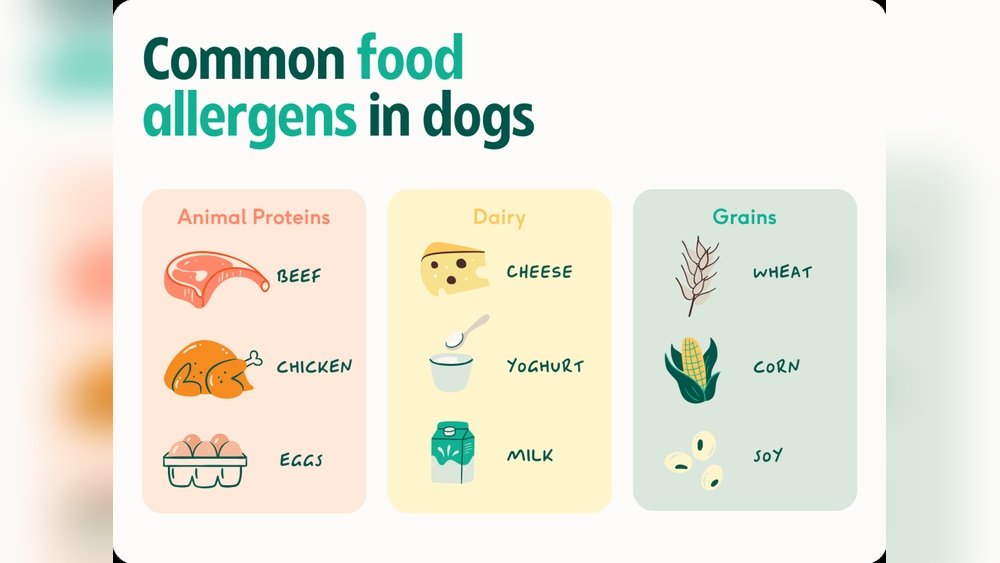
Most food allergies in dogs come from proteins. The most common culprits include:
- Beef
- Chicken
- Dairy
- Eggs
- Wheat
- Lamb
- Soy
It’s important to note that almost any ingredient can be an allergen, but these are the most frequently reported. Some dogs even react to fish, corn, or rarely, to certain vegetables. Sometimes, additives or food colorings can also trigger an allergic response, but this is less common.
A useful tip: If your dog is on a diet with many different protein sources, it may be harder to find out which one is causing the problem. Single-protein diets can make this process easier.
Symptoms Of Dog Food Allergies
Food allergies can show up in many ways, but the most common signs are:
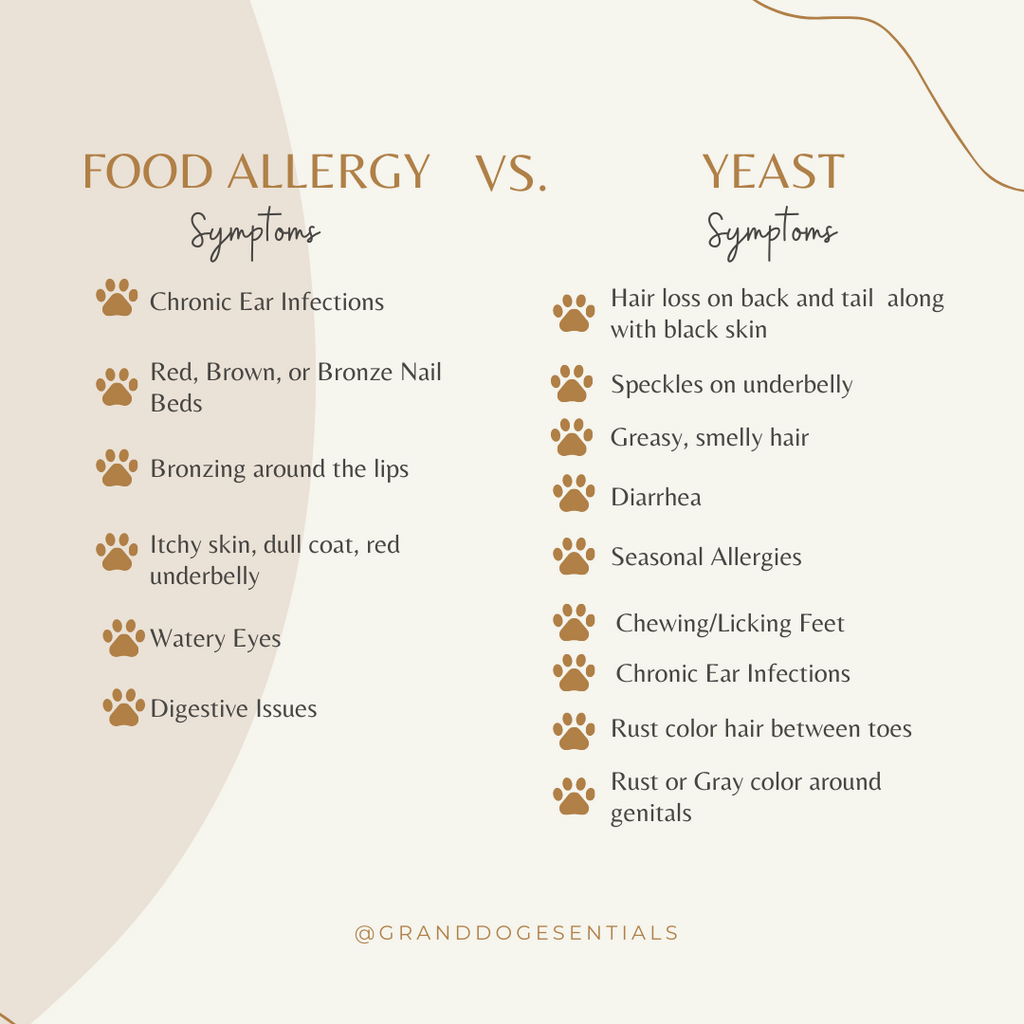
- Itchy skin (especially paws, face, ears, belly)
- Chronic ear infections
- Red, inflamed skin
- Digestive issues (vomiting, diarrhea)
- Hair loss or hot spots
- Frequent licking or chewing
- Hives or swelling
Some dogs may also have watery eyes, sneezing, or breathing problems, but skin and ear symptoms are much more common.
You may also notice changes in your dog’s behavior. A dog that is constantly itchy or uncomfortable may become restless, anxious, or even aggressive. Over time, untreated allergies can really affect your dog’s quality of life.
A less obvious sign is dark, thickened skin (especially on the belly or in the armpits) from chronic scratching and licking. If you see these changes, it’s a clue that the problem has been going on for a while.
How Common Are Food Allergies In Dogs?
Food allergies are less common than many people think. According to veterinary studies, only about 10% of all dog allergy cases are due to food. Most other allergies are caused by fleas or things in the environment (like pollen or dust).
However, food allergies can happen at any age and to any breed. Sometimes, a dog can develop an allergy to a food they’ve eaten for years. It’s not just new foods that cause problems; a dog’s immune system can suddenly become sensitive to something it once tolerated.
Some breeds are more prone to food allergies, but even mixed-breed dogs can develop them. It’s also interesting that dogs with environmental allergies (like pollen) are sometimes more likely to develop food allergies as well.
Non-obvious Insight
Many dog owners think that grains are the main cause of allergies. In reality, animal proteins (like beef or chicken) are much more likely to be the problem than grains. Grain-free diets are not automatically allergy-friendly.
Another point many people miss: even small exposures, like flavored medications or table scraps, can trigger symptoms if they contain the allergen. This is why a strict diet is so important during a food trial.
What Is Dog Food Intolerance?
A dog food intolerance is different from an allergy. It does not involve the immune system. Instead, it happens when your dog’s body cannot properly digest a certain ingredient in their food. This is usually due to a lack of enzymes or other digestive problems.
Food intolerance is much more common than true food allergies. Many dogs will have an occasional upset stomach from eating something unusual, but some have ongoing trouble with certain ingredients.
How Dog Food Intolerances Work
In food intolerance, your dog’s digestive system struggles to process an ingredient. For example, dogs with lactose intolerance can’t digest milk sugar because they lack the enzyme lactase. This leads to stomach upset after eating dairy.
The reaction is local—usually in the stomach or intestines—and does not involve the immune system’s antibodies. The symptoms tend to be limited to the digestive tract, and they usually appear quickly after eating the offending food.
A good example is a dog that eats table scraps with lots of fat and then has diarrhea a few hours later. This is not an allergy, but a food intolerance caused by the inability to process all that fat.
Common Causes Of Food Intolerance In Dogs
Some of the most common reasons for food intolerance include:
- Lactose (milk and dairy products)
- Fatty foods
- Spices or artificial additives
- Certain grains or gluten
- Preservatives and colorings
Sometimes, intolerance happens because of a sensitivity to a food additive or a sudden change in diet. Dogs that eat the same food for a long time and then suddenly switch to a new one may develop diarrhea simply because their gut bacteria need time to adjust.
Food intolerance can also be caused by spoiled or contaminated food, which can irritate the digestive system or introduce harmful bacteria. This is one reason why it’s important to store dog food properly and avoid feeding expired products.
Symptoms Of Dog Food Intolerance
Food intolerance symptoms usually affect the digestive system. Look for:
- Vomiting
- Diarrhea
- Excessive gas
- Abdominal pain or discomfort
- Bloating
- Occasionally, mild skin issues
Unlike allergies, food intolerance rarely causes itching, ear infections, or swelling. If your dog is only having stomach problems but seems comfortable otherwise, intolerance is more likely than an allergy.
Some dogs with chronic intolerance may lose weight, develop a dull coat, or become less interested in food. These symptoms should always be checked by a vet, as they can also be signs of more serious problems.
How Common Is Food Intolerance In Dogs?
Studies suggest that food intolerance is much more common than allergies. Many dogs have some trouble digesting certain foods, especially as they get older.
A 2018 survey found that over 20% of dogs had some type of food sensitivity, most often to milk, fatty foods, or chemical additives. It’s also common for dogs to develop new intolerances as they age, especially if their digestive system slows down.
Some breeds, like Schnauzers, are more prone to pancreatitis and may develop fat intolerance after even a single high-fat meal. This is why it’s important to know your dog’s breed risks and avoid foods that might cause trouble.
Non-obvious Insight
Dogs can develop food intolerance over time, even if they have eaten the same food for years. Changes in gut bacteria or enzyme levels as dogs age can make old favorites suddenly cause problems.
One more tip: Intolerance can sometimes be temporary. For example, after a stomach infection, a dog might not tolerate certain foods for a few weeks, but recover as the gut heals.

Credit: www.cotswoldraw.com
Key Differences Between Dog Food Allergy And Intolerance
It’s easy to confuse allergies and intolerance because symptoms can overlap. However, there are several important differences that can help you tell them apart.
| Feature | Dog Food Allergy | Dog Food Intolerance |
|---|---|---|
| Immune System Involvement | Yes | No |
| Main Symptoms | Itching, ear infections, skin issues, some GI symptoms | Digestive problems (vomiting, diarrhea, gas) |
| Onset of Symptoms | Can be delayed; often after repeated exposure | Usually soon after eating offending food |
| Common Triggers | Proteins (beef, chicken, dairy, egg, etc.) | Lactose, fat, additives, some grains |
| Severity | Can be severe and long-lasting | Usually temporary; resolves after food is removed |
| Risk of Anaphylaxis | Rare, but possible | Extremely rare |
| Diagnosis | Elimination diet and challenge; allergy testing | Observation and food trial |
Real-life Example
If your dog gets itchy paws and ear infections every time they eat chicken, it’s likely an allergy. If your dog vomits after eating milk or cheese but has no skin problems, it’s probably an intolerance.
Another example: If you switch your dog’s food and they suddenly get diarrhea, but no other symptoms, and the problem goes away once you return to their old food, that’s a classic sign of intolerance—likely due to a sudden change or unfamiliar ingredient.
Causes And Risk Factors
Understanding what causes food allergies and intolerance can help you prevent and manage them.
Causes Of Dog Food Allergies
Most food allergies in dogs are caused by an overactive immune system. The immune system starts to see a protein in food as a threat. Genetics play a big role—some breeds (like Boxers, Cocker Spaniels, and German Shepherds) are more likely to develop allergies.
Repeated exposure to the same food may also increase the risk. For example, feeding chicken every day for years might make an allergy more likely, especially if the dog is genetically prone.
Other possible causes include early exposure to allergens during puppyhood, or damage to the gut lining from infections or parasites. Sometimes, stress or other allergies can also make the immune system more sensitive.
Causes Of Food Intolerance
Intolerance happens when the digestive system cannot process something properly. This may be due to:
- Enzyme deficiencies (like lactase for digesting milk)
- Sensitivity to additives (preservatives, dyes)
- Sudden diet changes
- Spoiled or low-quality food
- Medical conditions (like pancreatitis or inflammatory bowel disease)
For example, a dog recovering from a stomach bug may temporarily lose the ability to digest certain foods. Dogs with chronic diseases like pancreatitis or liver problems often develop new intolerances as these organs lose their ability to help with digestion.
Risk Factors For Both
Some factors can raise the risk for both allergies and intolerance:
- Young age (puppies are more sensitive)
- Older age (digestive systems weaken)
- Poor quality or highly processed food
- Previous health problems
- Certain breeds
Dogs that have had long-term infections, antibiotic use, or poor nutrition in the past may be more at risk. Also, dogs living in stressful environments can sometimes develop sensitivities due to changes in gut health.

Credit: www.freezedryaustralia.com
Symptoms: What To Watch For
Knowing the symptoms is key to catching a problem early. But the signs of allergy and intolerance can overlap.
Symptoms Of Food Allergy
- Persistent itchiness (paws, face, armpits, groin)
- Red or inflamed skin
- Chronic ear infections
- Bumps, hives, or welts
- Hair loss or bald patches
- Gastrointestinal symptoms (in about 10-20% of cases)
- Frequent licking or chewing
You might also notice your dog shaking their head often, rubbing their face on furniture, or chewing at their feet. Over time, the skin may become thickened, discolored, or even develop a bad smell from secondary infections.
Symptoms Of Food Intolerance
- Vomiting after eating
- Loose stools or diarrhea
- Gas, bloating
- Mild skin reactions (rare)
- Disinterest in food
- Weight loss (in chronic cases)
These symptoms may come and go, especially if the problem food is only eaten sometimes. Some dogs will have a single episode of vomiting, while others may have ongoing loose stools for weeks.
How To Tell The Difference
- If your dog mainly has skin and ear problems, think allergy.
- If your dog mostly has stomach or gut problems, think intolerance.
- If symptoms appear within hours, it’s likely intolerance. If they show up after days or weeks, it could be an allergy.
In some cases, symptoms can overlap, especially if your dog has both conditions. Keeping a diary of what your dog eats and when symptoms appear can help your vet spot patterns.
Hidden Clues Many Owners Miss
- Ear infections can be a sign of food allergy, not just a dirty ear.
- Chronic paw licking is often linked to food allergy, especially if there’s no sign of injury.
- Unexplained hot spots—those sudden raw, moist skin patches—can be allergy-related.
- Seasonal changes: If symptoms continue year-round, food is more likely the cause than pollen or dust.
Diagnosis: How Vets Find The Problem
Getting the right diagnosis is key. Many owners try to guess the problem at home, but this can lead to mistakes. Here’s how vets approach it.
Step 1: Medical History
The vet will ask about your dog’s symptoms, when they started, and what foods they eat. They may want to know about past illnesses or treatments.
You’ll be asked about treats, table scraps, flavored medications, supplements, and anything else your dog might eat. Even small exposures can make a difference.
Step 2: Physical Exam
Vets check your dog’s skin, ears, and overall health. They look for signs of infection, parasites, or other causes.
A careful exam might reveal hidden signs, like thickened skin between the toes or deep ear inflammation. These clues help the vet decide if a food trial is needed.
Step 3: Elimination Diet Trial
This is the gold standard for diagnosing food allergies and intolerances. Your dog eats a novel protein diet (something they’ve never eaten before) or a hydrolyzed protein diet for 8-12 weeks.
- No treats, table scraps, or flavored medications are allowed.
- If symptoms improve, the old food is reintroduced.
- If symptoms return, a food allergy or intolerance is confirmed.
Sticking to the diet 100% is the hardest part. Even a single treat or flavored chew can ruin the trial and give a false result.
Step 4: Allergy Testing
Blood or skin tests are sometimes used, but they are not as reliable as diet trials for food allergies in dogs.
Some vets may use these tests to look for environmental allergies, but when it comes to food, the elimination diet is more accurate.
Step 5: Ruling Out Other Causes
Vets may test for parasites, bacterial or yeast infections, or environmental allergies. This is important because many different things can cause similar symptoms.
For example, fleas are still the number one cause of itching in dogs. If fleas or mites are present, they must be treated first before starting a food trial.
Non-obvious Insight
Home allergy test kits for dogs are often unreliable. Only trust tests supervised by a veterinarian.
Also, be aware that some symptoms can take several weeks to improve, even after the problem food is removed. Patience is key during diagnosis.
Treatment And Management Options
Helping a dog with food allergies or intolerance takes patience and care. The main goal is to avoid the problem ingredient and keep your dog healthy.
For Food Allergies
- Strict Elimination Diet: Feed only the food recommended by your vet. Read every label and avoid all treats or snacks with the allergen.
- Medications: Antihistamines or steroids may be used short-term to control itching, but they don’t solve the cause.
- Medicated Shampoos: These can help with skin problems while the diet is being changed.
- Regular Vet Checkups: Your vet will want to monitor your dog’s progress and adjust the plan if needed.
Long-term, the only real solution for food allergy is to permanently avoid the allergen. Some owners find it helpful to prepare meals at home, while others use prescription or limited-ingredient diets.
For Food Intolerance
- Remove the Offending Food: Stop feeding the ingredient that causes problems (like milk or fatty foods).
- Simple Diet: Feed easily digestible foods, possibly a prescription diet.
- Probiotics or Digestive Enzymes: These may help some dogs with mild intolerance.
- Slow Diet Changes: When switching foods, do it gradually over 7-10 days.
In some cases, intolerance improves as the gut heals. For chronic cases, lifelong avoidance may be needed. Some owners add fiber, probiotics, or specific supplements to help manage symptoms.
Long-term Management
- Read labels carefully every time you buy food.
- Avoid table scraps, which often contain hidden allergens or irritants.
- Monitor for new symptoms—dogs can develop new allergies or intolerance over time.
If your dog is sensitive, always introduce new foods one at a time and watch for reactions. Keep a list of safe foods for reference.
Prevention Strategies
You can’t always prevent food allergies or intolerance, but you can lower the risk and catch problems early.
Tips To Lower The Risk
- Feed high-quality, simple diets with limited ingredients.
- Rotate protein sources every few months (with your vet’s guidance).
- Avoid over-processed foods and artificial additives.
- Introduce new foods slowly, especially with puppies or older dogs.
- Keep a food diary—write down what your dog eats and any symptoms.
Another useful tip: Wash your dog’s bowls and food scoops often to prevent contamination from old food or bacteria.
Early Warning Signs
- Mild itching after eating
- Soft stools or mild tummy upset
- Changes in appetite
If you notice these, speak to your vet before it becomes a bigger problem.
Myths And Misconceptions
Many dog owners believe myths that can lead to poor choices or wasted money. Let’s clear up the most common ones.
Myth 1: Grain-free Diets Prevent Allergies
Most food allergies in dogs are caused by animal proteins, not grains. Grain-free diets are not necessary unless your dog is allergic to a specific grain (which is rare).
In fact, grain-free diets have been linked to other health risks, such as heart disease, in some dogs. Always talk to your vet before making big diet changes.
Myth 2: Hypoallergenic Dog Breeds Don’t Get Food Allergies
No breed is immune. Some breeds are less likely to have environmental allergies, but any dog can get a food allergy.
Myth 3: All Itching Means Food Allergy
Most itching in dogs is due to fleas or environmental allergies—not food. Only about 10% of allergy cases in dogs are food-related.
If your dog is itchy, always rule out fleas and other causes first.
Myth 4: Blood Tests Alone Can Diagnose Food Allergies
Blood and saliva tests for food allergies in dogs are unreliable. The elimination diet is the only proven way to diagnose food allergies.
Myth 5: Once Allergic, Always Allergic
Dogs can sometimes outgrow food allergies, especially puppies. However, most food allergies are lifelong.
Dogs may also develop new allergies over time. This is why ongoing observation is important.
Popular Dog Foods And Allergenic Ingredients
Understanding what’s in popular dog foods can help you make safer choices. Let’s compare some common foods and their risk for causing allergies or intolerance.
| Dog Food Type | Common Ingredients | Allergy Risk | Intolerance Risk |
|---|---|---|---|
| Chicken & Rice Kibble | Chicken, rice, corn, soy, by-products | High (chicken, soy) | Medium (soy, by-products) |
| Lamb & Oatmeal Kibble | Lamb, oatmeal, barley, peas | Medium (lamb, peas) | Low (oatmeal, barley) |
| Grain-Free Salmon | Salmon, peas, potatoes, lentils | Medium (salmon, peas) | Medium (potatoes, lentils) |
| Prescription Hydrolyzed Protein | Hydrolyzed soy protein, starch | Very low | Very low |
| Canned Beef Stew | Beef, beef broth, vegetables, wheat | High (beef, wheat) | Medium (wheat, additives) |
One non-obvious tip: Even if the main protein seems safe, always check for hidden ingredients, like “chicken fat” in a beef diet, which can still trigger reactions.
Managing A Dog With Multiple Sensitivities
Some dogs have both food allergies and intolerance. Managing these dogs is more challenging but possible with careful planning.
Steps To Take
- Work with a vet or veterinary nutritionist to design a custom diet.
- Use single-ingredient treats or make your own at home.
- Consider hydrolyzed diets—these break down proteins so the immune system doesn’t react.
- Keep a detailed food log to track reactions.
- Introduce new foods one at a time, waiting 2-3 weeks before adding another.
You may also need to avoid certain medications, supplements, or even toothpaste flavors that contain allergens.
Example: Mixed Sensitivity
A dog allergic to chicken and intolerant to dairy would need a diet free from both. A lamb-and-rice formula with no milk or cheese ingredients might work, but always check labels closely.
In tough cases, prescription diets or carefully balanced home-cooked meals may be the only safe option. Your vet can help you find reliable recipes and supplements to prevent nutrient deficiencies.
The Role Of Commercial Diets And Home Cooking
Choosing between commercial dog foods and home-cooked diets can be tough, especially if your dog has allergies or intolerance.
Commercial Diets
- Prescription diets are made for dogs with allergies and are tested for safety.
- Limited ingredient diets have fewer potential allergens.
- Hydrolyzed protein diets break down proteins so they’re less likely to cause a reaction.
Always introduce new diets slowly. Some dogs need several weeks to adjust to a new food, even if it’s designed for sensitive stomachs.
Home Cooking
- Gives you full control over ingredients.
- Must be balanced with vitamins and minerals—otherwise, your dog may get sick over time.
- Best done with the help of a vet or pet nutritionist.
Home-cooked diets can be a great option for dogs with multiple sensitivities, but they require effort and planning. Make sure you get regular checkups and blood tests to ensure your dog is staying healthy.
Important Considerations
- Some “allergy-friendly” foods still contain hidden allergens (like chicken fat in lamb formulas).
- Homemade diets should never be based only on internet recipes—get professional advice.
Keep in mind that switching foods too often can sometimes upset your dog’s stomach, even if all the ingredients are safe.
When To See A Vet
Not every tummy upset means a trip to the vet. But you should call your vet if your dog:
- Has vomiting or diarrhea lasting more than 24 hours
- Shows severe itching, hair loss, or open sores
- Has swelling of the face or difficulty breathing
- Loses weight or shows signs of pain
Prompt treatment can prevent small problems from becoming serious.
If you ever see sudden swelling, trouble breathing, or collapse, get emergency help right away, as these can be signs of a severe allergic reaction.
Scientific Studies And Data
Research on dog food allergies and intolerance is ongoing. Here are some key findings:
- A 2016 review in the journal Veterinary Dermatology reported that beef, dairy, and chicken** are the top food allergens for dogs.
- Up to 20% of chronic ear infections in dogs are linked to food allergies.
- Food intolerance is harder to measure, but as many as 1 in 5 dogs may have some form of sensitivity.
For more detail, see this scientific review from the National Institutes of Health.
More recent studies are exploring the role of gut bacteria and genetics in food sensitivities. Some research suggests that early life exposure to a wide variety of foods may help prevent allergies, though more data is needed.
Tips For Living With A Dog With Food Sensitivities
Managing a dog with allergies or intolerance is a journey, not a one-time fix. Here’s how to make daily life easier:
- Educate everyone in the household about what foods are safe and unsafe.
- Store all dog food and treats separately to avoid mix-ups.
- Prepare for travel by packing safe foods and avoiding unknown treats.
- Watch for hidden ingredients in medications, supplements, and even toothpaste.
- Join support groups for tips and recipe ideas.
Even with careful management, your dog may have flare-ups. Don’t get discouraged—most dogs live happy lives with the right diet and care.
You may also find it helpful to create a “safe food” list for dog sitters, friends, and family. This helps everyone keep your dog healthy, even when you’re not around.
Frequently Asked Questions
What Is The Main Difference Between Food Allergy And Intolerance In Dogs?
The main difference is that a food allergy involves the immune system and often causes skin or ear problems, while food intolerance is about digestion and mostly causes stomach issues. Allergies can be more severe and last longer.
How Do I Know If My Dog Has A Food Allergy Or Intolerance?
Watch for the type of symptoms. Itching, skin problems, and ear infections point to allergy. Vomiting, diarrhea, and gas suggest intolerance. An elimination diet trial with your vet is the best way to know for sure.
Can Dogs Grow Out Of Food Allergies Or Intolerance?
Some puppies may outgrow allergies as their immune system matures, but most food allergies are lifelong. Food intolerance can change with age, sometimes getting better or worse.
What Dog Foods Are Best For Sensitive Dogs?
Limited ingredient diets, prescription allergy foods, and hydrolyzed protein formulas are often safest. Home-cooked diets can work if they’re balanced by a vet. Always read labels carefully and introduce new foods slowly.
Is There A Cure For Dog Food Allergies Or Intolerance?
There is no cure, but symptoms can be controlled by avoiding the offending ingredient. With careful management, most dogs live healthy, happy lives.
Understanding the difference between dog food allergy and intolerance can make a huge difference in your pet’s comfort and health. With the right knowledge and support from your vet, you can help your dog live a full, itch-free life. Always trust your instincts—if you think something is wrong, reach out for help. Your dog will thank you with a wagging tail and a happy, healthy heart.
Credit: www.stbarthvillarental.com