Many dog owners worry when their pets show signs of allergies or digestive issues. It can be hard to know what’s causing the problem. Is it food, environment, or something else? One reliable way to find out is using an elimination diet for dogs. This method helps identify which foods trigger reactions, so your dog can eat safely and feel better. If you’re thinking about trying an elimination diet with your dog, this guide will help you understand every step, from planning to success.
What Is An Elimination Diet For Dogs?
An elimination diet is a systematic way to find food allergies or sensitivities in dogs. You feed your dog a simple diet—usually one protein and one carbohydrate source—then slowly add other foods. If symptoms return after reintroducing a food, it’s likely that food is a trigger.
This approach is especially useful for dogs with:
- Chronic itching
- Ear infections
- Gastrointestinal issues (vomiting, diarrhea)
- Skin problems (redness, sores)
Veterinarians often recommend elimination diets when allergy tests or blood work don’t give clear answers. Sometimes, the only way to know for sure is to control every single thing your dog eats. This may sound strict, but it gives clear information and helps your dog feel better in the long run.
Not all allergic reactions look the same. Some dogs may develop red, sore skin, while others might vomit or have diarrhea. You might notice your dog chewing their paws or rubbing their face more than usual. These details are important because different symptoms can point to different food triggers.
Another important point: some dogs react to food right away, but for others, it may take days or weeks. That’s why the elimination diet is a process, not a quick fix.
Why Dogs Need Elimination Diets
Many dogs develop food allergies or intolerances over time. According to the American College of Veterinary Dermatology, food allergies cause up to 10% of all allergies in dogs. The most common triggers are:
- Beef
- Dairy
- Chicken
- Wheat
- Egg
Elimination diets are the gold standard for diagnosis because:
- Blood tests aren’t very accurate for food allergies in dogs.
- Symptoms often overlap with environmental allergies.
- Dogs may react to multiple foods.
By carefully controlling what your dog eats, you can pinpoint the exact cause and improve their quality of life.
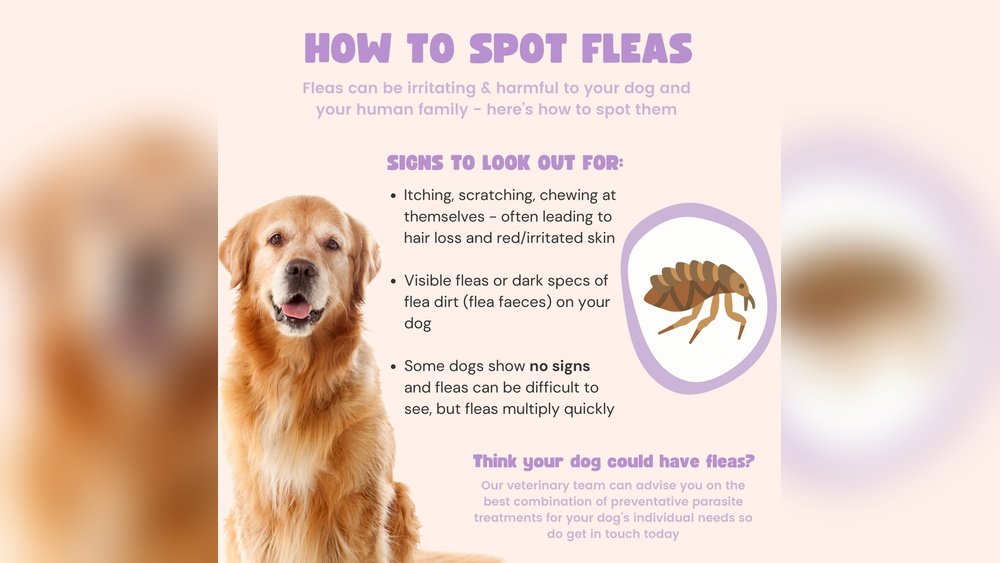
It’s easy to confuse food allergies with other problems. For example, a dog with itchy skin might have fleas, but if flea treatment doesn’t help, food could be the issue. Digestive problems are also common—sometimes owners think their dog just has a “sensitive stomach,” but the real reason could be a food allergy.
Another reason for an elimination diet is that over-the-counter allergy tests for dogs are often unreliable. These tests may show “false positives,” where they say your dog is allergic to something when they are not, or “false negatives,” missing a real allergy.
The elimination diet is a practical, hands-on way to get real answers.
If a dog reacts to several foods, it’s possible they have an intolerance (difficulty digesting a food) rather than a true allergy (immune reaction). Both can cause problems, and both can be managed with the elimination diet.
Signs Your Dog May Need An Elimination Diet
Some symptoms suggest food is the problem:
- Itchy skin: Scratching, licking, or chewing paws and body.
- Ear infections: Frequent head shaking, redness, or odor.
- Digestive problems: Vomiting, diarrhea, gas, or bloating.
- Chronic anal gland issues: Scooting or licking the rear.
- Red, inflamed skin: Especially on the face, feet, or belly.
- Poor coat condition: Dryness, hair loss, or dull fur.
If your dog shows two or more symptoms, especially after eating, an elimination diet may help.
Some less obvious signs can also point to food allergies. For example, a dog with frequent “hot spots”—raw, sore patches on the skin—may benefit from an elimination diet. Chronic ear infections that return even after treatment are another clue. Some dogs with allergies may even have behavior changes, like restlessness or irritability, from feeling uncomfortable.
Remember, symptoms may be mild or severe. A little extra licking or scratching might not seem important at first, but if it happens daily, it’s worth checking. If symptoms improve when you feed plain, simple food, that’s another clue food could be the cause.
How Elimination Diets Work
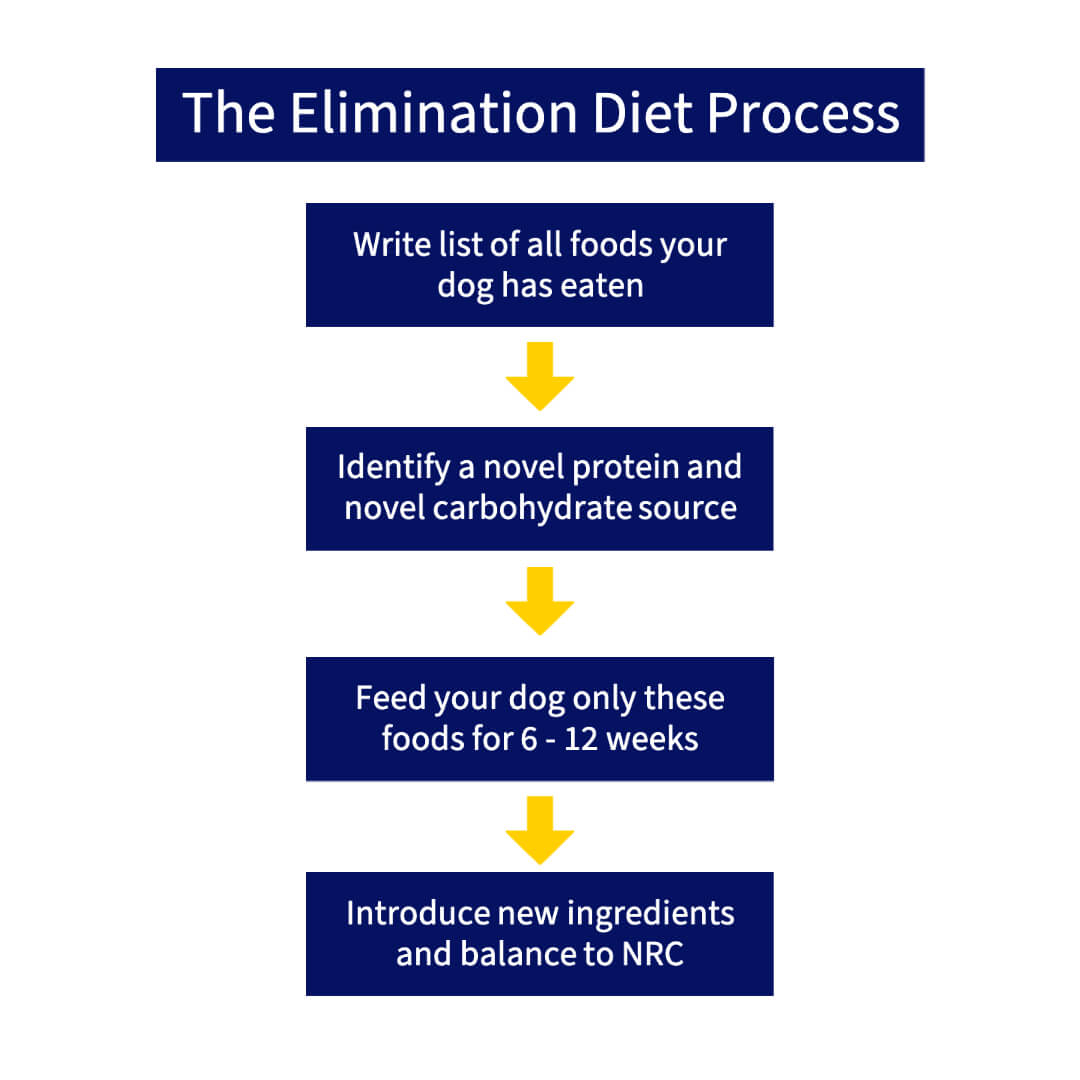
Elimination diets are simple in theory, but require careful planning:
- Phase 1: Restriction
Feed only a single protein and carbohydrate (never eaten before) for 8-12 weeks.
- Phase 2: Challenge
Add one new food every 1-2 weeks. Watch for symptoms.
- Phase 3: Maintenance
Build a safe, balanced diet based on tolerated foods.
Throughout the process, keep a food diary and note any reactions. Even small changes matter.
During the restriction phase, it’s important to avoid ALL foods your dog has eaten before—even small tastes. Many owners don’t realize that even a bite of cheese or a flavored chew could ruin the results. The goal is to give your dog’s body time to “reset” and heal from any reactions.
When you reach the challenge phase, patience is key. Only add one new food at a time. Some owners rush this step, but waiting a full week (or longer) after each new food helps you notice any delayed reactions. Symptoms can sometimes show up days after eating a new food, not always right away.
The maintenance phase is when you finally relax a little. You’ll have a list of foods your dog tolerates. At this stage, you can start adding variety and making sure the diet is complete and healthy. You might need to add oils for skin and coat, or calcium for bone health, depending on your dog’s needs.
Choosing The Right Foods For Elimination
The key is selecting foods your dog has never eaten before. This reduces the chance of reaction.
Common novel proteins:
- Duck
- Rabbit
- Venison
- Fish (like salmon)
- Kangaroo
Novel carbohydrates:
- Sweet potato
- Potato
- Quinoa
- Peas
Avoid common triggers (beef, chicken, wheat, dairy). If unsure, ask your vet for recommendations.
Choosing the right foods can be tricky. For example, if your dog has eaten commercial foods with “poultry by-products,” avoid all poultry, not just chicken. If you’re unsure about a protein, it’s safest not to use it. Some specialty proteins like kangaroo or rabbit may be expensive or hard to find, but they are less likely to cause reactions.
When picking carbohydrates, check ingredient lists from past foods and treats. Many commercial foods contain corn, rice, or wheat. If your dog has eaten these, pick something new like sweet potato or quinoa.
Here’s how common and novel foods compare:
| Protein Source | Carbohydrate Source | Commonly Used? |
|---|---|---|
| Duck | Sweet Potato | No |
| Rabbit | Potato | No |
| Beef | Rice | Yes |
| Chicken | Wheat | Yes |
It’s best to use plain, fresh, or cooked foods. Avoid processed or seasoned meats—salt, spices, or preservatives may cause problems. When in doubt, ask your vet for help choosing the best options.
Step-by-step Guide To Starting An Elimination Diet
Let’s break the process down so it’s easy to follow:
Step 1: Consult Your Veterinarian
Before starting, talk to your vet. They can rule out other causes and suggest the best diet plan. Some dogs need prescription diets or extra nutrients.
Your vet may also check for other problems, like parasites, infections, or thyroid disease. Ruling these out before starting makes sure you’re not missing something important. If your dog needs medicine, ask if it’s safe for the elimination diet. Some flavored pills or supplements contain allergens.
Step 2: Select The Novel Protein And Carbohydrate
Pick foods your dog has never eaten. For example, if your dog usually eats chicken and rice, try duck and sweet potato.
Write down your choices and double-check with your vet. Some owners find it helpful to prepare a week’s worth of food in advance, so there’s no temptation to use old foods.
Step 3: Start The Diet
Feed only the chosen protein and carbohydrate. No treats, flavored medications, table scraps, or supplements unless approved by your vet. Water is always allowed.
If your dog is picky or refuses the new food, try serving it warm, or mixing the protein and carbohydrate together. Most dogs adjust in a few days, but some take longer. If your dog refuses to eat for more than 24 hours, call your vet.
Step 4: Monitor Symptoms
Keep a detailed food diary. Record:
- What your dog eats
- Any symptoms (itching, vomiting, diarrhea)
- Changes in mood or energy
Most dogs show improvement in 4-6 weeks, but the trial lasts 8-12 weeks for accuracy.
Write down even small details. For example, “licked paws twice after dinner” or “less scratching today. ” These notes help you and your vet see patterns. If symptoms get worse suddenly, make a note and call your vet.
Step 5: Gradually Reintroduce Foods
After the restriction phase, add one new food every 1-2 weeks. If symptoms return, remove the new food. If not, it’s safe to keep.
Introduce each food slowly. Start with a small piece on day one, then a larger amount on days two and three. Watch for changes in skin, ears, or stomach.
Step 6: Build A Balanced Diet
Once you know which foods are safe, work with your vet to create a nutritious, varied diet. Add vitamins and minerals if needed.
This is the time to add new proteins, healthy fats (like fish oil), and safe vegetables. If you’re feeding homemade food, your vet may suggest a multivitamin or calcium supplement. A balanced diet prevents problems like weak bones or a dull coat.
Common Mistakes With Elimination Diets
Many owners make errors that reduce effectiveness:
- Giving treats or flavored medications: Even tiny amounts can trigger reactions.
- Not sticking to the novel diet: Family members may slip your dog forbidden foods.
- Too short a trial: Some dogs need the full 12 weeks to clear symptoms.
- Poor record-keeping: Without a diary, it’s easy to miss patterns.
- Choosing common proteins: Using beef or chicken often fails, as most dogs have eaten these before.
- Ignoring hidden ingredients: Some dog foods and treats contain many sources.
Sticking strictly to the plan is critical for success.
One mistake owners often miss is cross-contamination. For example, using a cutting board that touched chicken for preparing duck can leave behind allergens. Wash utensils and bowls carefully between uses.
Another common problem is not reading labels on medications or supplements. Many chewable pills use beef or chicken flavors. Ask your vet for unflavored or hypoallergenic options during the trial.
Some owners stop the diet early when their dog seems better. This can lead to missed triggers if you add foods back too fast. Patience is your best tool.
Homemade Vs Commercial Elimination Diets
Owners often wonder whether to cook at home or buy prescription food.
Homemade diets:
- Allow full control over ingredients.
- Can be tailored to allergies.
- Require careful balance of nutrients.
Commercial diets:
- Easy to feed.
- Formulated for nutritional balance.
- May contain hidden ingredients or cross-contamination.
| Diet Type | Pros | Cons |
|---|---|---|
| Homemade | Customizable, fresh, avoids contaminants | Time-consuming, risk of nutrient imbalance |
| Commercial | Convenient, balanced nutrition | Possible hidden ingredients, less control |
If you choose homemade, ask your vet about supplements. Dogs need calcium, vitamins, and trace minerals.
Some prescription diets use “hydrolyzed” proteins, which are proteins broken down into tiny pieces that the immune system doesn’t recognize. These may help dogs with severe allergies. However, not all dogs like the taste, and they can be expensive.
Homemade diets give you more control but require planning. If you’re not sure how to balance nutrients, ask your vet for a referral to a veterinary nutritionist.
Typical Elimination Diet Menu
A basic menu for an elimination diet might look like this:
Morning
- Cooked duck breast
- Steamed sweet potato
Evening
- Cooked duck breast
- Steamed sweet potato
Snacks
- Small pieces of sweet potato (if needed)
Water
- Fresh, clean water at all times
No other foods, treats, or supplements unless your vet approves.
Cooking the food plain—no salt, oil, or spices—is important. You can steam, boil, or bake the protein and carbohydrate. Divide the daily amount into two or three meals to keep your dog’s energy steady.
If your dog needs treats for training, use small pieces of the allowed carbohydrate (like sweet potato). You can bake thin slices in the oven for a crunchy snack.
Always store cooked food in the refrigerator and prepare enough for a few days at a time. This keeps meals safe and fresh.
How Long Should An Elimination Diet Last?
Most diets run 8-12 weeks. It takes time for the body to clear old allergens and for symptoms to disappear. Some dogs improve in 4-6 weeks, but others need longer. Never end the trial early unless your vet says it’s safe.
It’s important not to get discouraged if you don’t see quick results. Some allergens stay in the body for weeks. For dogs with skin issues, the skin needs time to heal, and new hair to grow. If you stop too soon, you might not get clear answers.
If your dog develops new symptoms during the trial, contact your vet. Sometimes, a new problem is unrelated to food and needs different treatment.
Tracking Progress: Food Diary Example
Writing everything down helps spot patterns and avoid mistakes. Here’s a sample diary:
Day 1
- Duck + sweet potato
- Symptoms: Itching (moderate), ear redness
Day 14
- Duck + sweet potato
- Symptoms: Itching improved, ear redness gone
Day 28
- Duck + sweet potato
- Symptoms: No itching, skin normal
Day 42
- Add peas
- Symptoms: Slight itching returns
This method helps you decide which foods are safe.
Add details such as energy level, appetite, or changes in stool. For example, if your dog has a soft stool after adding a new food, make a note. Over time, you may see connections between certain foods and symptoms.
If more than one person feeds your dog, keep the diary in a common place so everyone can update it.
Reintroduction Phase: How To Add Foods Safely
After the restriction phase, add foods one at a time:
- Start with small amounts.
- Watch for symptoms for at least 7 days.
- If all is well, increase the amount.
- If symptoms return, remove the food.
Example:
Add boiled rice. Feed a tablespoon daily for a week. If no reaction, rice can stay.
If symptoms show up, remove the new food and wait until your dog is stable before trying another. Sometimes a reaction is mild at first—watch for subtle signs like licking paws or mild stomach upset.
Try not to add more than one food at a time, even if your dog seems fine. This helps you know exactly which food is safe or not.
Balancing Nutrition After Elimination
Elimination diets are not balanced long-term. Once you know safe foods, build a full diet:
- Add vitamins and minerals
- Include healthy fats
- Use safe proteins and carbs
Your vet may recommend a nutritionist to create recipes. Most dogs need extra calcium and omega-3s.
| Nutrient | Common Source | Function |
|---|---|---|
| Calcium | Eggshell powder | Bone health |
| Omega-3 | Fish oil | Skin & coat |
| Vitamin E | Vegetable oils | Antioxidant |
Other nutrients to watch for are zinc, copper, and B vitamins. If you’re feeding a homemade diet, a powdered supplement may fill in the gaps. Some safe options are available by prescription or through your vet.
As your list of safe foods grows, try to include variety. Rotate different proteins and carbohydrates if your dog tolerates them.
Special Considerations For Puppies And Senior Dogs
Puppies and older dogs have extra needs. Puppies need more protein, calcium, and energy. Seniors may need fewer calories, more fiber, and extra joint support.
If your dog is very young or old:
- Ask your vet for a custom plan
- Never restrict nutrients for long periods
- Monitor weight and energy closely
For puppies, balanced nutrition is critical for healthy bones, brain, and immune system. Puppies on homemade elimination diets may need added supplements to avoid growth problems.
Senior dogs may have medical issues like kidney or liver disease. Their elimination diet must fit these needs. For example, a senior dog with kidney disease may need lower phosphorus foods.
Both puppies and seniors may have trouble adjusting to new foods. Introduce changes slowly, and check with your vet often.
Elimination Diets For Dogs With Chronic Illness
Some dogs have chronic conditions like inflammatory bowel disease (IBD), diabetes, or renal failure. Elimination diets can help, but may need adjustments:
- Use low-fat proteins for pancreatitis.
- Avoid high-phosphorus foods for kidney disease.
- Balance carbs for diabetic dogs.
Always work with your vet for these cases. You may need prescription diets or supplements.
For example, a dog with IBD may need a highly digestible protein and low-fiber carbohydrate. A diabetic dog’s carbohydrate intake must be consistent to avoid blood sugar swings. These special needs make veterinary guidance even more important.
How To Handle Treats And Medications
During an elimination diet:
- Do not give treats unless made from the allowed protein or carb.
- Use unflavored medications if possible.
- Check for hidden ingredients in pills, chews, and supplements.
Even small amounts can trigger a reaction, so strict control is essential.
If your dog needs a reward, bake small pieces of the allowed carbohydrate. For medications, ask your vet if pills can be given with plain food or wrapped in a slice of sweet potato.
If your dog is on a monthly flea or tick product, choose tablets without flavoring, or ask your vet for a topical option.
Credit: www.bigdogpetfoods.com
Success Stories And Real-life Examples
Many owners see dramatic results. For example:
- A dog with years of itchy skin improved in 6 weeks after switching to rabbit and peas.
- A Labrador with chronic diarrhea recovered after avoiding beef and chicken.
- A senior dog with ear infections stopped having issues after removing dairy.
These examples show the power of elimination diets, but patience and consistency are required.
Another owner found that her Beagle’s repeated paw licking stopped after switching from chicken-based food to a fish and potato diet. In another case, a dog with constant gas and bloating became more playful and energetic once wheat was removed from meals.
Real-life cases highlight that even minor symptoms can disappear with the right diet. The key is commitment from everyone in the family.
Non-obvious Insights For Elimination Diets
Some details are easy to miss:
- Cross-contamination: Even a small amount of forbidden food can trigger symptoms. Clean bowls and utensils after every meal.
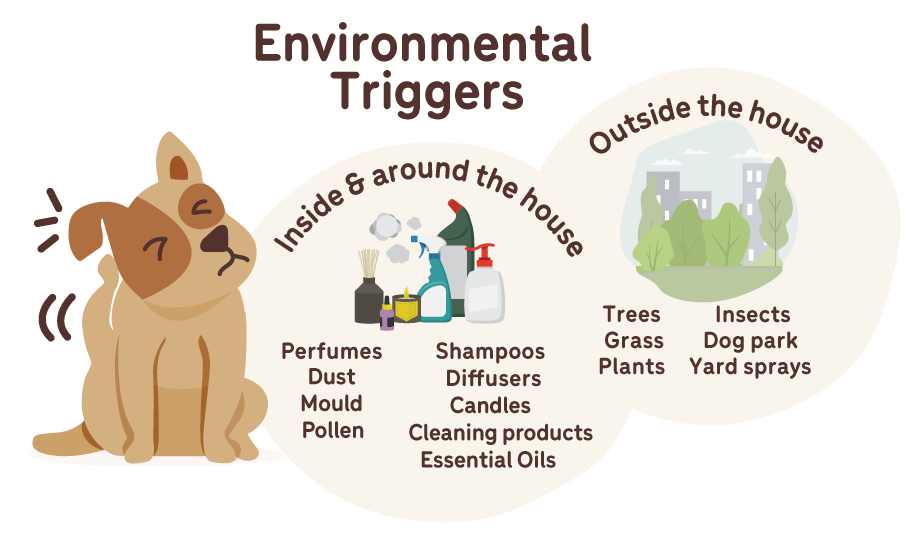
- Environmental allergies can overlap: If symptoms remain after the diet, your dog may have environmental allergies too. Sometimes both must be managed.
- Food allergies can develop later: Dogs may tolerate a food for years, then suddenly react. Keep track of any new symptoms.
Also, be aware of seasonal changes. Some dogs get worse in spring or summer due to pollen, which can confuse results. Tracking symptoms alongside weather or seasons can give more clues.

Credit: todaysveterinarypractice.com
When To Stop Or Adjust The Diet
If your dog worsens or does not improve after 12 weeks, stop and consult your vet. Sometimes food is not the cause, or another issue needs attention.
Sometimes, dogs react to ingredients you didn’t expect—such as additives or preservatives in commercial foods. If the elimination diet fails, your vet can look for other causes like parasites or hormonal issues.
Elimination Diets And Veterinary Supervision
Veterinary guidance is essential. Vets can:
- Diagnose correctly
- Ensure balanced nutrition
- Guide reintroduction safely
A Board Certified Veterinary Nutritionist is best for complex cases. For more information, see ACVN Resources.
If your vet is not sure, ask for a referral to a nutritionist. They can make custom recipes and check for any missing nutrients.
Credit: www.kristinajohansen.com
Comparing Elimination Diets To Allergy Testing
Some owners ask about allergy tests or blood tests. These are less reliable for food allergies in dogs. Elimination diets remain the best method.
Key differences:
- Elimination diets are practical and accurate.
- Blood tests often miss true food allergies.
- Skin tests are mainly for environmental allergies.
If you try a blood or saliva test and it shows many allergies, don’t panic. These tests are not always right. The elimination diet gives clear, practical answers based on your dog’s real reactions.
Cost And Practical Considerations
Elimination diets can be expensive and time-consuming:
- Novel proteins may cost more.
- Homemade diets require cooking and planning.
- Commercial prescription diets cost $2-4 per meal.
However, the investment often pays off with better health and fewer vet visits.
If cost is a worry, ask your vet for affordable protein options or consider buying in bulk. Some stores offer discounts on “less common” meats like rabbit or duck. Home-cooking saves money but takes more effort.
Balancing your time, budget, and your dog’s health is important. The main cost is usually in the first few months. Once you find safe foods, the diet often gets simpler and cheaper.
The Role Of Genetics And Breed
Some breeds are more prone to food allergies:
- Boxers
- West Highland White Terriers
- Golden Retrievers
- Labradors
Genetics play a role, but any dog can develop allergies.
For example, Golden Retrievers and Labradors are known for skin and ear problems. West Highland White Terriers often have chronic itching. If you own a high-risk breed, be extra watchful for early signs.
Still, even mixed-breed dogs can have food allergies. There’s no “safe” breed, so pay attention to your dog’s unique history and symptoms.
Long-term Management After An Elimination Diet
Once you know safe foods, stick to them. Avoid triggers and monitor for any new symptoms. Update your food diary if you try new foods.
If your dog tolerates only a few foods, ask your vet about supplements. Most dogs live healthy lives with careful management.
Try to vary the diet when possible. Rotating between two or three safe proteins and carbohydrates helps prevent boredom and possible new allergies. If your dog reacts to a new food, remove it and go back to what works.
Regular checkups with your vet are important, especially for dogs on limited diets. Blood tests can check for deficiencies before they cause problems.
Frequently Asked Questions
How Do I Know If My Dog’s Symptoms Are Caused By Food?
Look for symptoms like itching, digestive upset, or ear infections that get worse after eating. If symptoms persist despite flea control and good care, food may be the cause.
Also, watch for patterns. If symptoms get better when feeding bland or new foods, it’s another clue. Keeping a diary makes it easier to spot these links.
Can I Use Store-bought Dog Food For An Elimination Diet?
Some prescription diets are designed for elimination trials, but many commercial foods contain multiple proteins and additives. Homemade diets offer more control, but must be balanced.
If you use store-bought, pick a food labeled as “limited ingredient” with only one protein and one carbohydrate. Avoid foods with “meat meal” or “animal fat,” which may contain hidden allergens.
How Soon Will I See Results With An Elimination Diet?
Most dogs improve in 4-6 weeks, but the full trial lasts 8-12 weeks. Some dogs take longer, especially if symptoms are severe.
If your dog has both skin and stomach issues, skin may take longer to heal. Be patient and stick with the plan.
Is It Safe To Use An Elimination Diet For Puppies?
Yes, but puppies need balanced nutrition for growth. Always consult your vet to ensure the diet meets their needs. Never restrict nutrients for young dogs.
Puppies grow fast, so watch weight, energy, and stool carefully. If you notice any slowdown in growth or activity, check with your vet right away.
What Happens If My Dog Reacts To Many Foods?
Some dogs are allergic to several foods. Work with your vet to build a safe, balanced diet using tolerated ingredients. Supplements may be needed if the diet is limited.
In rare cases, a dog may need a prescription hydrolyzed diet or custom recipes from a veterinary nutritionist.
Elimination diets for dogs are powerful tools for finding and managing food allergies. They require careful planning, patience, and strict control. With guidance from your vet, you can help your dog live a healthier, happier life. Remember, every dog is different.
Stay observant, keep records, and adjust as needed. If you’re unsure, professional help is always available.