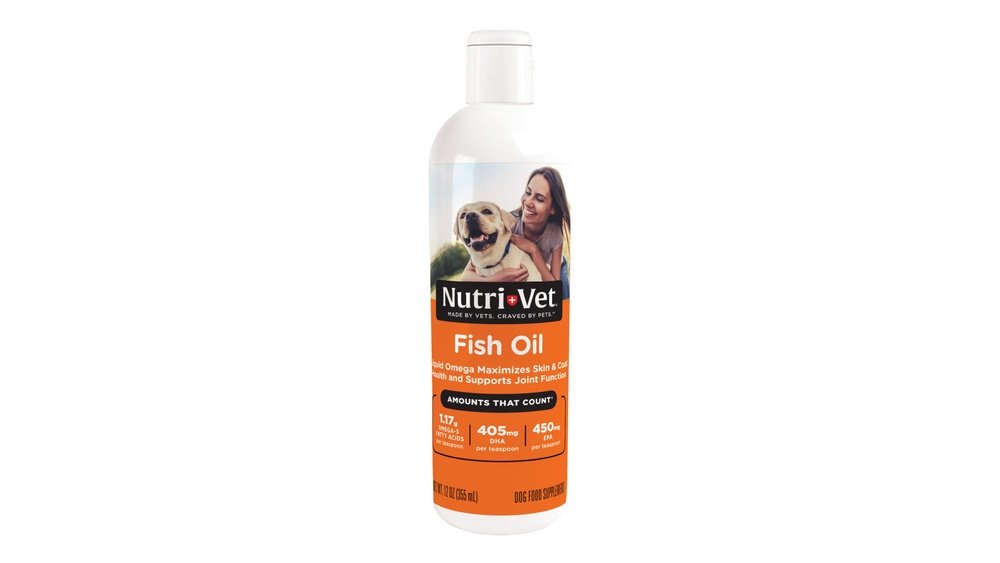
Fish Oil for Dog Joints: A Complete Guide for Pet Owners
Watching your dog slow down, limp, or struggle with simple activities can be heartbreaking. Joint problems in dogs are common, especially as they age or if they have certain breeds or health conditions. If you’ve searched for natural ways to support your dog’s joints, you’ve probably come across fish oil. This supplement is popular not only among veterinarians but also with dog owners looking for gentle, effective help.
But what does fish oil really do for dog joints? How does it work, and is it safe? With so many products and claims online, it’s easy to feel overwhelmed. This article breaks down everything you need to know about fish oil for dog joints in clear, simple language.
You’ll learn about the science, benefits, risks, how to choose a quality product, and how to use it safely. Whether your dog is a playful puppy, a working breed, or a senior with arthritis, you’ll find practical advice and honest answers here.
Why Dogs Get Joint Problems
Dog joints face daily stress from walking, running, jumping, and playing. Over time, this can lead to wear and tear. Some of the most common causes of joint problems in dogs include:
- Osteoarthritis: Degeneration of cartilage, leading to pain and stiffness.
- Hip dysplasia: A common genetic issue in large breeds where the hip joint doesn’t form properly.
- Elbow dysplasia: Similar to hip dysplasia, but affects the elbow joint.
- Injuries: Sprains, strains, or ligament tears.
- Obesity: Extra weight puts more strain on joints.
- Age: Cartilage naturally breaks down as dogs get older.
Symptoms of joint issues in dogs often include:
- Limping or lameness
- Trouble getting up or lying down
- Hesitation to jump or climb stairs
- Swollen or warm joints
- Less interest in exercise
- Stiffness after resting
While medications like NSAIDs (non-steroidal anti-inflammatory drugs) can help, they may cause side effects. Many dog owners look for natural supplements to support joint health—this is where fish oil comes in.
What Is Fish Oil And Why Is It Used For Dogs?
Fish oil is a natural oil extracted from fatty fish such as salmon, sardines, anchovies, and mackerel. It contains high levels of omega-3 fatty acids, especially EPA (eicosapentaenoic acid) and DHA (docosahexaenoic acid). These are essential fats that dogs (and humans) need for good health.
Why do so many experts recommend fish oil for dog joints? The answer lies in how omega-3s affect inflammation. Joint pain in dogs is often caused or made worse by inflammation. Omega-3 fatty acids can help reduce this inflammation, which may:
- Decrease joint pain and stiffness
- Improve mobility
- Slow down cartilage breakdown
Omega-3s also support healthy skin, coat, heart, brain, and immune system. But for this article, we’ll focus on their joint health benefits.
How Fish Oil Works For Dog Joints
When your dog has joint problems, the immune system often sends cells to the area. These cells release chemicals that cause inflammation, leading to pain, swelling, and loss of function. Chronic inflammation damages cartilage, the smooth tissue covering the ends of bones in a joint.
EPA and DHA in fish oil block the production of some inflammatory chemicals. They also create other chemicals that actually help stop inflammation and promote healing. Here’s how this works:
- Fewer Pro-Inflammatory Chemicals: Omega-3s reduce the amount of “bad” prostaglandins and leukotrienes—substances that cause swelling and pain.
- More Anti-Inflammatory Compounds: The body uses omega-3s to make resolvins and protectins, which actively resolve inflammation.
- Protecting Cartilage: By reducing inflammation, fish oil may slow down the breakdown of cartilage in the joints.
- Improved Blood Flow: Omega-3s can help the small blood vessels in joints work better, delivering nutrients and removing waste.
Over time, these effects can mean less pain, better movement, and a happier dog.
Scientific Evidence: Does Fish Oil Really Help Dog Joints?
Many pet owners wonder if fish oil is just a fad or if it truly works. Scientific studies show that fish oil supplements can help reduce joint pain and improve mobility in dogs with arthritis and other joint problems.
- A 2010 study published in the Journal of the American Veterinary Medical Association found that dogs with osteoarthritis given fish oil showed significant improvement in ability to rise from rest and play.
- Another 2016 trial showed that dogs receiving omega-3s needed fewer anti-inflammatory drugs and had less joint stiffness compared to those not given fish oil.
- A review of studies in Veterinary Record reported that omega-3 supplementation led to small but meaningful improvements in arthritis symptoms in dogs.
While fish oil is not a magic cure, it is one of the most well-researched and widely recommended natural supplements for canine joint health. For dogs with mild to moderate joint issues, it can be a valuable part of a comprehensive care plan.
Benefits Of Fish Oil For Dog Joints
The main benefits of fish oil for dog joints include:
Reduces Joint Inflammation
Fish oil’s omega-3s lower the levels of chemicals that cause swelling in the joints. This leads to less pain and stiffness, especially in dogs with arthritis.
Slows Down Cartilage Damage
By controlling inflammation, fish oil helps protect the cartilage that cushions your dog’s joints. This can slow down the progression of osteoarthritis.
Improves Mobility
Many owners notice their dogs can walk, run, or play better after starting fish oil. They may be able to get up more easily and move with less discomfort.
Reduces Need For Pain Medications
Some studies show that dogs taking fish oil may need lower doses of NSAIDs or other pain drugs. This can reduce the risk of side effects from long-term medication use.
Supports Joint Lubrication
Healthy joints need good lubrication. Fish oil helps keep the joint fluid healthy, which makes movement smoother and less painful.
May Help After Joint Injury Or Surgery
Dogs recovering from joint injuries or surgeries, like torn ligaments or hip replacements, may heal better when given fish oil as part of their care.
Fewer Flare-ups
Dogs with chronic joint diseases often have “bad days. ” Fish oil may reduce the number and severity of these flare-ups by keeping inflammation under control.
Helps Overweight Dogs
If your dog is overweight, losing weight is key for joint health. Fish oil may help by supporting healthy metabolism and reducing inflammation related to obesity.
Supports Overall Health
Besides joints, fish oil can improve your dog’s skin, coat, heart, and brain health. This can make your dog feel better overall, which may also help them stay active.
How To Choose The Best Fish Oil For Dog Joints
Not all fish oil products are the same. Quality, purity, and formulation can vary a lot. Here’s what matters most when picking a fish oil supplement for your dog’s joints:
Type Of Fish Oil
- Natural triglyceride oil: Closest to the oil found in fish, easier to absorb.
- Ethyl ester oil: More processed, sometimes cheaper, but not as easily absorbed.
- Re-esterified triglyceride oil: A processed form that is very pure and highly absorbable.
Natural or re-esterified triglyceride oils are usually the best choices for dogs.
Source Of Fish
Fish oil should come from small, cold-water fish like sardines, anchovies, or wild-caught salmon. These fish have lower levels of mercury and other toxins than larger fish.
Purity And Safety
Good fish oil is filtered to remove heavy metals (like mercury), PCBs, and other contaminants. Look for products that are tested by third-party labs and meet safety standards.
Epa And Dha Content
Check the label for the amount of EPA and DHA per serving. These are the most important omega-3s for joint health. More EPA and DHA usually means a more effective product.
Formulation
Fish oil comes in different forms:
- Liquid: Easy to mix with food, good for dogs who won’t eat pills.
- Softgels: Can be given whole or opened and squeezed onto food.
- Chews: Flavored soft chews are simple to give, but check the ingredients for sugar or fillers.
Flavor And Palatability
Some dogs are picky. Choose a product designed for pets, as these often have flavors dogs enjoy.
Packaging
Fish oil can spoil if exposed to light, heat, or air. Choose products in dark bottles or airtight capsules to keep the oil fresh.
Price Vs. Quality
Don’t buy the cheapest product you find. Low-quality fish oil may have fewer omega-3s, more impurities, or taste bad. Investing in a trusted brand can save money and worry in the long run.
Here’s a comparison to help you see the differences:
| Type | Absorption | Purity | Best For |
|---|---|---|---|
| Natural Triglyceride | High | Good | Most dogs |
| Ethyl Ester | Medium | Varies | Budget buyers |
| Re-esterified Triglyceride | Very High | Excellent | Dogs with sensitive stomachs |
How Much Fish Oil Should You Give Your Dog?
The right fish oil dosage depends on your dog’s weight, health, and the amount of EPA and DHA in the product. Always check the label and talk to your vet before starting any supplement.
General Dosage Guidelines
A common dose for joint support is:
- EPA + DHA combined: 50–100 mg per kg of body weight per day
So, a 20 kg (44 lb) dog would typically get 1,000–2,000 mg of EPA + DHA daily.
Some fish oil products list total oil amount, not just omega-3s. Be sure to base the dose on EPA and DHA, not the total oil.
Example Dosage Table
Here’s a guide for common dog sizes:
| Dog Weight | Approx. EPA + DHA per Day |
|---|---|
| 5 kg (11 lb) | 250–500 mg |
| 10 kg (22 lb) | 500–1,000 mg |
| 20 kg (44 lb) | 1,000–2,000 mg |
| 30 kg (66 lb) | 1,500–3,000 mg |
| 40 kg (88 lb) | 2,000–4,000 mg |
Tips For Accurate Dosing
- Use a kitchen scale or measuring spoon if using liquid oil.
- Count softgels or chews carefully.
- Start with a lower dose and increase gradually to reduce stomach upset.
When To Adjust The Dose
Some dogs need more or less fish oil based on their health, diet, or medications. Your vet can help you adjust the dose if your dog:
- Is already eating a diet rich in omega-3s (like some prescription foods)
- Has a bleeding disorder or is taking blood thinners
- Is very old, very young, or has liver/kidney disease
Never give more than the recommended amount without veterinary advice.
How To Give Fish Oil To Your Dog
Getting your dog to take fish oil can be easy or tricky, depending on their tastes and the product you choose.
Mixing With Food
Most owners find it easiest to mix liquid fish oil with their dog’s food. Start with a small amount and work up to the full dose so your dog gets used to the taste.
Giving Capsules Or Softgels
Some dogs will eat a softgel whole if it’s hidden in a treat or piece of meat. You can also puncture the capsule and squeeze the oil onto food.
Using Chews
Fish oil chews are flavored and chewable, so dogs often eat them like a treat. Just be sure they don’t contain too many extra ingredients or calories.
Tips For Success
- Give fish oil with meals to reduce the risk of upset stomach.
- Store fish oil in the fridge to keep it fresh and reduce odor.
- If your dog refuses fish oil, try a different flavor or form.
Side Effects And Risks Of Fish Oil For Dogs
Fish oil is generally safe for most dogs, but like any supplement, it can cause side effects, especially if given in high doses.
Possible Side Effects
- Upset stomach: Diarrhea, vomiting, or loss of appetite.
- Fishy breath or odor: Common but harmless.
- Oily coat or skin: Some dogs develop greasy fur.
- Weight gain: Fish oil adds calories, so adjust food if needed.
- Delayed wound healing: Very high doses can slow blood clotting.
- Bruising or bleeding: Rare, but possible if your dog is on blood thinners or has a bleeding disorder.
How To Avoid Problems
- Start with a small dose and increase slowly.
- Never give more than your vet recommends.
- Watch for signs of bleeding or unusual bruising.
- Store fish oil properly to prevent it from going rancid.
Dogs with certain health conditions (like pancreatitis, diabetes, or allergies to fish) may not be good candidates for fish oil. Always check with your veterinarian before starting any new supplement.
Signs Fish Oil Is Helping Your Dog’s Joints
After starting fish oil, most owners want to know if it’s working. Improvements are usually gradual and can take 4–12 weeks to see. Signs that fish oil is helping your dog’s joints include:
- Easier movement, less stiffness in the morning
- More willingness to exercise or play
- Less limping or favoring a leg
- Increased ability to jump, climb stairs, or get up from lying down
- Fewer “bad days” with pain or lameness
Keep a simple daily log of your dog’s symptoms, activities, and comfort level. Share this with your vet to track progress.

Credit: naturaldog.com
When To Use Fish Oil For Dog Joints
Fish oil can be helpful in many situations. Consider using it if your dog:
- Has been diagnosed with arthritis or another joint disease
- Is a breed prone to joint problems (like Labradors, German Shepherds, Golden Retrievers)
- Is recovering from joint surgery or injury
- Is overweight or obese, putting extra strain on joints
- Is a senior dog with slowing mobility
Young, healthy dogs can also benefit from fish oil as a preventive measure, especially if they are active, athletic, or at risk for joint issues later in life.
Combining Fish Oil With Other Joint Supplements
Fish oil works well alone, but it can also be combined with other joint support supplements for better results. Common combinations include:
- Glucosamine and chondroitin: Help repair cartilage and improve joint lubrication.
- Green-lipped mussel: Another source of anti-inflammatory omega-3s.
- MSM (methylsulfonylmethane): May reduce pain and swelling.
- Turmeric or curcumin: Natural anti-inflammatory spices.
Always check with your vet before combining supplements, as some can interact with medications or each other.
Here’s a quick look at how fish oil compares to other common joint supplements:
| Supplement | Main Benefit | Best For | Works With Fish Oil? |
|---|---|---|---|
| Fish Oil | Reduces inflammation | Arthritis, stiffness | Yes |
| Glucosamine | Builds cartilage | Early joint disease | Yes |
| Chondroitin | Protects cartilage | Older dogs | Yes |
| MSM | Pain relief | Chronic pain | Yes |
| Turmeric | Anti-inflammatory | Dogs who can’t take NSAIDs | Yes, with caution |
Myths And Misconceptions About Fish Oil For Dogs
With all the information online, some myths about fish oil have become popular. Let’s clear up a few:
“fish Oil Is A Cure For Arthritis.”
Fish oil helps manage symptoms, but it is not a cure. It should be part of a bigger plan, including weight control, exercise, and other treatments if needed.
“all Fish Oils Are The Same.”
Quality and effectiveness vary. Some products contain very little EPA or DHA or may be contaminated. Always choose a reputable brand.
“more Is Better.”
High doses of fish oil can cause side effects. Always use the right amount for your dog’s size and health.
“fish Oil Replaces The Need For Medication.”
Fish oil may help you use less medication, but it usually does not replace it fully, especially in dogs with severe pain.
“dogs Can Just Eat More Fish Instead Of Taking Oil.”
Feeding your dog a lot of fish can lead to other problems, like too much mercury or imbalanced nutrients. Fish oil supplements are more precise and safer.
Non-obvious Insights Most Dog Owners Miss
While many people know fish oil is good for dogs, a few important points are often overlooked:
1. The Formulation Matters For Absorption
Not all fish oil is absorbed equally. Dogs absorb triglyceride forms better than ethyl esters. If your dog has a sensitive stomach or you want the best results, look for this on the label.
2. Storage Is Critical To Avoid Harmful Effects
Fish oil can become rancid (spoil) if not stored correctly. Rancid oil smells bad and can actually cause inflammation instead of reducing it. Always keep fish oil in a cool, dark place and use it before the expiration date.
3. Omega-6/omega-3 Balance In The Diet
Many commercial dog foods are high in omega-6 fatty acids, which can promote inflammation if not balanced with omega-3s. Adding fish oil can help restore the right ratio, but if your dog’s food is already high in omega-3s, extra fish oil may not be needed.
4. Not All Joint Problems Are Caused By Inflammation
Some joint issues are due to injury, instability, or genetics, not just inflammation. Fish oil helps most with inflammatory conditions, like arthritis, but may not help as much with other causes.
5. Individual Response Varies
Some dogs respond quickly to fish oil, while others need more time or may not show much improvement at all. Monitoring and patience are key.
Practical Tips For Using Fish Oil For Dog Joints
To get the most out of fish oil for your dog’s joints, keep these tips in mind:
- Consult your veterinarian before starting any supplement.
- Choose a high-quality, pet-specific fish oil with clear EPA and DHA amounts.
- Start with a low dose and increase gradually to avoid stomach upset.
- Mix with food for best results and to mask the taste.
- Keep oil refrigerated to maintain freshness.
- Watch for side effects and adjust the dose if needed.
- Track your dog’s progress to see if the supplement is helping.
- Combine with other joint care strategies like exercise, weight control, and other supplements if recommended.
Special Considerations For Different Dogs
Puppies
Most puppies do not need fish oil unless recommended by a vet for specific conditions. Too much can affect their growth or immune system.
Senior Dogs
Older dogs often benefit the most from fish oil, especially if they are slowing down or diagnosed with arthritis.
Working And Athletic Dogs
Active dogs may need extra joint support, especially if they are jumping, running, or performing intense activities. Fish oil can help keep their joints healthy and reduce injury risk.
Breeds Prone To Joint Problems
Large breeds like Labradors, Golden Retrievers, German Shepherds, and Rottweilers often develop joint issues. Starting fish oil early (with vet guidance) can support long-term joint health.
Dogs With Allergies
Fish oil is usually safe, but rare cases of fish or seafood allergy can occur. Watch closely for itching, swelling, or stomach upset.
Dogs On Prescription Diets
Some prescription dog foods already contain added fish oil. Adding extra may not be needed and could lead to overdose.
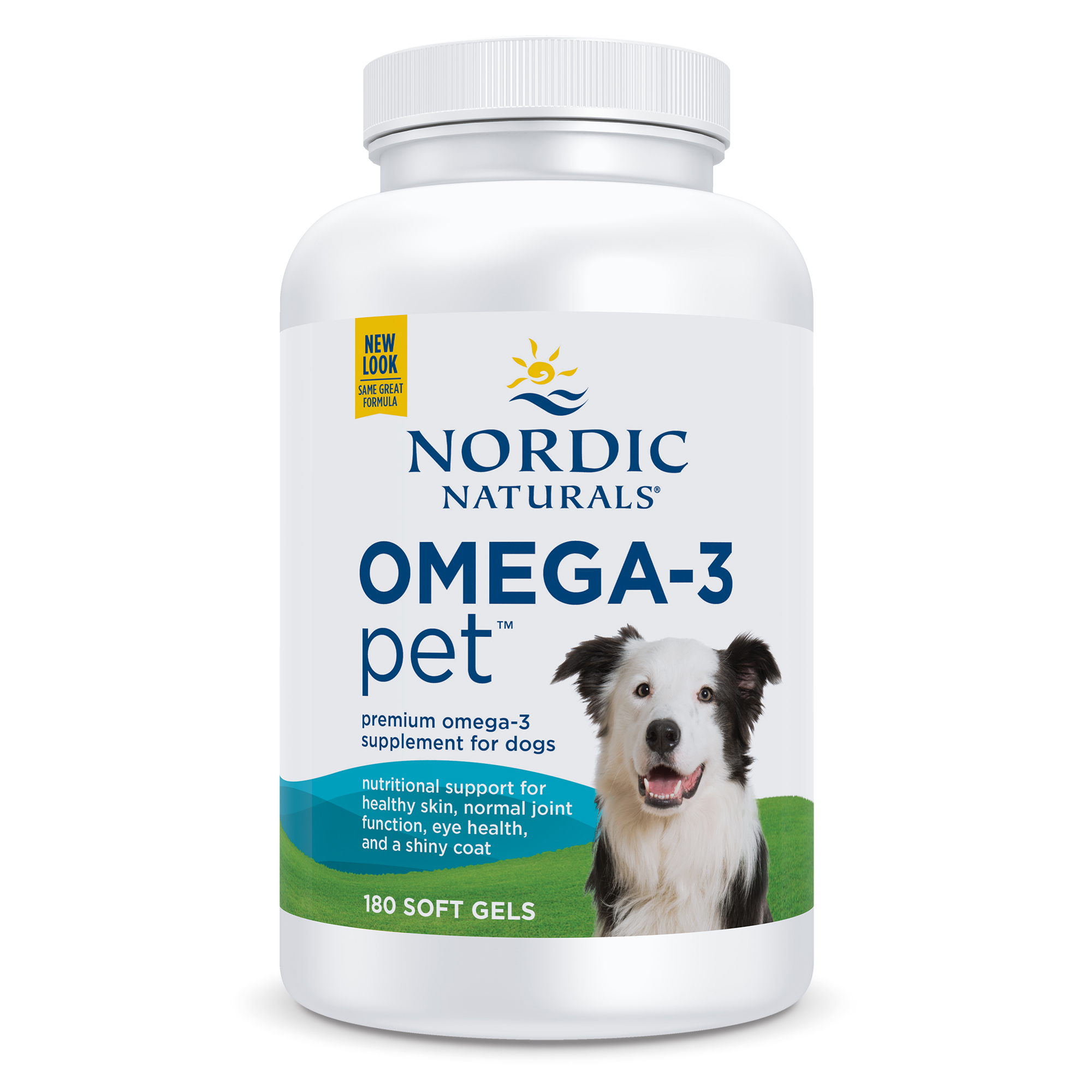
Credit: caninearthritis.org
How To Talk To Your Vet About Fish Oil
Before starting any supplement, have a conversation with your vet. Here’s how to make the most of that visit:
- Bring the fish oil product or label for review.
- Share your dog’s full health history and current medications.
- Ask about the best dose, form, and how long to use it.
- Discuss other options for joint support.
- Ask how to monitor for side effects or improvement.
Your vet can help tailor a plan that fits your dog’s specific needs.
What To Avoid When Using Fish Oil For Dog Joints
While fish oil is generally safe, avoid these common mistakes:
- Using human fish oil supplements that may have added flavorings, sweeteners, or higher doses not safe for dogs.
- Storing fish oil improperly, which can lead to spoilage.
- Ignoring expiration dates—old oil can go rancid.
- Buying untested or unregulated products.
- Mixing with other supplements or medications without vet approval.
- Starting with a high dose—this can upset your dog’s stomach.

Credit: wearethecure.org
Real-life Example: Fish Oil Helped Max’s Stiff Joints
Max, a 10-year-old Golden Retriever, started limping and was slow to get up. His owner noticed he didn’t want to play fetch anymore and seemed uncomfortable after walks. The vet diagnosed Max with early arthritis and suggested adding a fish oil supplement to his diet, along with a joint-friendly dog food.
After six weeks, Max’s limp was less noticeable. He began playing again, and his owner saw him running for his ball more often. With continued use, Max’s quality of life improved, and he needed less pain medication.
Max’s story is common. Many dogs see benefits from fish oil, especially when started early and used as part of a complete joint care plan.
Where To Learn More
For more scientific research and guidelines on fish oil for dogs, you can visit the Cornell University College of Veterinary Medicine. This site offers up-to-date information from leading experts in animal health.
Frequently Asked Questions
What Kind Of Fish Oil Is Best For Dogs With Joint Problems?
The best fish oil for dogs is one that contains high levels of EPA and DHA, is purified to remove toxins, and is made from small, wild-caught fish like sardines or anchovies. Look for products tested by third-party labs and made specifically for pets. Avoid fish oil made from large fish (like tuna) due to higher mercury risk.
How Long Does It Take For Fish Oil To Help My Dog’s Joints?
Most dogs start to show improvement within 4 to 12 weeks after starting fish oil. Changes are gradual, so patience is important. Keep track of your dog’s symptoms and activities to see if mobility and comfort improve over time.
Can I Give My Dog Human Fish Oil Supplements?
It’s not recommended to give your dog human fish oil supplements unless advised by your veterinarian. Human products may contain added flavors, sweeteners, or higher doses that are not safe for dogs. Always choose a supplement made specifically for pets.
Are There Any Dogs That Should Not Take Fish Oil?
Dogs with bleeding disorders, pancreatitis, allergies to fish, or on certain medications (like blood thinners) should not take fish oil without veterinary approval. Puppies, pregnant dogs, and dogs with certain medical conditions may need special dosing or monitoring.
Can Fish Oil Be Used With Other Joint Supplements Or Medications?
Yes, fish oil can usually be combined with other joint supplements like glucosamine, chondroitin, or MSM. However, always check with your veterinarian before mixing supplements or adding them to a medication plan, as interactions can occur.
Taking care of your dog’s joints is a lifelong project, and fish oil can be a valuable part of that journey. Used wisely and with veterinary guidance, it’s a safe, natural way to keep your dog moving comfortably and enjoying life for years to come.