Flea Allergy Dermatitis In Dogs: Causes, Symptoms, Treatment, And Prevention
Fleas are a common problem for many dogs, but for some, they cause more than just itching. When a dog is allergic to flea bites, even a single bite can trigger intense discomfort. This condition, known as flea allergy dermatitis (FAD), is one of the most frequent skin diseases in dogs around the world. Flea allergy dermatitis can make dogs miserable, lead to infections, and strain the bond between pets and their owners. Understanding this condition is key to helping your dog live a happier, more comfortable life.
Living with a dog who suffers from flea allergy dermatitis can be stressful. Owners often feel frustrated when treatments do not work or when their dog keeps scratching despite their best efforts. The good news is, with the right knowledge and approach, you can control this allergy and greatly improve your dog’s quality of life.
This article explains what flea allergy dermatitis is, why it happens, what to look for, and most importantly, how to manage and prevent it. Whether you are a new dog owner or have dealt with FAD before, you’ll find practical advice, real examples, and expert tips throughout this guide.
What Is Flea Allergy Dermatitis?
Flea allergy dermatitis is a specific type of allergic reaction that happens when a dog’s immune system overreacts to flea saliva. When a flea bites, it injects a small amount of saliva into the skin. Dogs who are sensitive to this saliva develop an allergy, causing severe itching and inflammation. This allergic reaction can occur from just one or two flea bites, making it a serious issue even in homes with low flea numbers.
Unlike simple flea infestations, FAD is not just about the fleas themselves. Many dogs have fleas but do not develop a strong reaction. In dogs with flea allergy dermatitis, the body’s immune system treats the flea saliva as a dangerous substance, releasing chemicals that cause redness, swelling, and itching.
This means that even excellent flea control can sometimes fail to prevent symptoms if even a single flea remains.
Flea allergy dermatitis can occur in any dog, but some breeds and ages are more likely to develop it. Dogs between 1 and 5 years old are most commonly affected, but puppies and older dogs can also react. There is no clear evidence that one sex is more at risk, and dogs with other allergies (like food or environmental allergies) may be more sensitive.
How Flea Allergy Dermatitis Develops
To understand flea allergy dermatitis, it helps to know what happens in a dog’s body after a flea bite. When a flea feeds, it injects saliva containing more than 15 different chemicals. These chemicals help the flea feed and stop the dog’s blood from clotting.
In allergic dogs, the immune system sees these chemicals as dangerous, triggering a hypersensitivity reaction.
The main immune cells involved are mast cells and eosinophils. These cells release histamine and other substances, causing intense itching and inflammation. Over time, repeated flea bites can make the allergy worse, so a dog that reacts mildly at first may become more sensitive with each new exposure.
FAD is considered a type of hypersensitivity, specifically a type I (immediate) and type IV (delayed) reaction. This means that symptoms can start within minutes or may take a few hours to appear. The itching often continues long after the flea is gone, because the allergic reaction can persist.
Credit: www.allurelakestorey.com
Signs And Symptoms Of Flea Allergy Dermatitis
Dogs with flea allergy dermatitis show a range of symptoms, but some are more common than others. Recognizing these signs early can help you take action before the problem gets worse.
- Intense itching (pruritus): This is the most obvious sign. Dogs scratch, bite, or lick their skin, sometimes to the point of causing sores or bleeding.
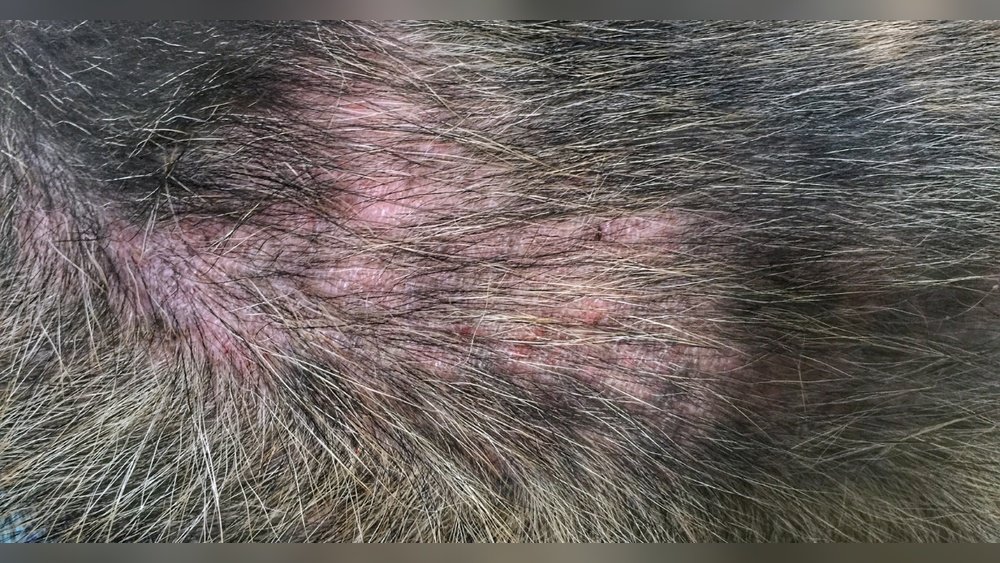
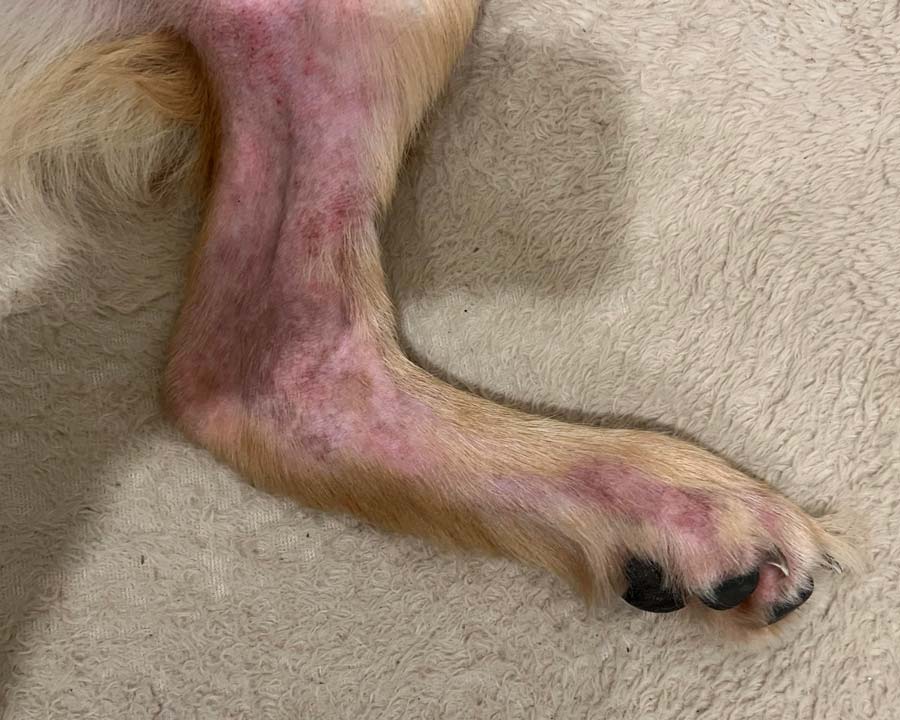
- Red, inflamed skin: Areas may look red, swollen, or warm. The skin often becomes sensitive to touch.
- Hair loss (alopecia): Dogs may lose fur, especially in patches on the back, tail base, belly, and inner thighs.
- Scabs and crusts: Open sores can form, which then scab over. You may see crusty or moist areas on the skin.
- Thickened skin: Chronic cases may develop thick, dark, or leathery skin in affected areas.
- Flea dirt and fleas: Tiny black specks (flea feces) or live fleas may be visible, though in allergic dogs, you might see very few fleas.
- Hot spots: These are moist, painful, rapidly growing skin infections caused by self-trauma.
- Secondary infections: Bacteria or yeast can infect broken skin, causing a smell, oozing, or more severe lesions.
Where On The Dog’s Body?
Flea allergy dermatitis often affects specific areas. The most common sites are:
- Lower back (just in front of the tail)
- Base of the tail
- Inner thighs and groin
- Belly (abdomen)
- Neck and ears (less common, but possible)
Some dogs may show symptoms on other parts of the body, but the above areas are most typical. If you notice your dog chewing, licking, or scratching these spots, check closely for fleas or signs of skin changes.
How Severe Can It Get?
The severity of FAD can vary. Some dogs have mild itching, while others develop severe, painful skin wounds. Dogs with chronic FAD may develop pyoderma (bacterial skin infection) or lichenification (thick, wrinkled skin). Left untreated, FAD can lower your dog’s quality of life, cause constant discomfort, and lead to ongoing infections that need medical care.
What Causes Flea Allergy Dermatitis?
The main cause of FAD is an allergic reaction to proteins in flea saliva. However, there are several factors that can make the condition worse or more likely to develop:
- Genetics: Some breeds (like Retrievers, German Shepherds, and Terriers) are more likely to develop allergies.
- Age: Dogs between 1 and 5 years are most commonly affected, but any age is possible.
- Other allergies: Dogs with food or environmental allergies are more likely to develop FAD.
- Environment: Warm, humid climates have more fleas, increasing risk.
- Previous exposure: Dogs exposed to fleas early in life may become sensitized.
It is important to note that flea allergy dermatitis is not caused by dirty homes or poor care. Even dogs in clean, well-maintained homes can develop FAD if exposed to just a few fleas.
Diagnosing Flea Allergy Dermatitis
Diagnosing FAD is not always easy, especially if fleas are not seen. Many owners are surprised to learn that even a single flea bite can trigger a reaction, and some allergic dogs have very few fleas because they groom or scratch them away.
How Veterinarians Diagnose Fad
Veterinarians use several steps to diagnose flea allergy dermatitis:
- History and symptoms: The vet will ask about your dog’s itching, where it happens, and if there are any fleas in the environment.
- Physical exam: The vet checks for typical signs (hair loss, sores, flea dirt) and looks for fleas.
- Flea combing: Using a fine-toothed comb, the vet looks for fleas and flea dirt.
- Response to treatment: If fleas are not found, vets may start flea control treatment. If the dog improves, this suggests FAD.
- Skin tests: In rare cases, allergy testing may be used, but this is not always needed for FAD.
Why Are Fleas Sometimes Hard To Find?
Allergic dogs often remove fleas by biting and grooming. Fleas may also be present in small numbers, especially if the dog is already on partial flea control. Finding flea dirt (black specks that turn red when wet) is often the most reliable sign.
Other Conditions To Rule Out
Several other skin diseases can look like FAD, including:
- Food allergies
- Atopic dermatitis (environmental allergy)
- Mites (mange)
- Fungal infections (ringworm)
- Bacterial skin infections
A veterinarian may need to do skin scrapings, cultures, or allergy testing to make sure another condition is not causing the symptoms.
How Flea Allergy Dermatitis Affects Dogs’ Lives
Flea allergy dermatitis is more than a minor skin problem. For affected dogs, it can cause constant itching, poor sleep, and even pain. Many dogs become anxious, irritable, or depressed because of the discomfort. Some may chew their skin until it bleeds or develops large sores.
Owners often feel stressed as well. Seeing a beloved pet suffer, trying multiple treatments, and dealing with recurring symptoms can be emotionally and financially draining. Dogs with FAD may need frequent vet visits, special diets, or ongoing medications.
It’s important to understand that FAD is a chronic condition. While it can be controlled, there is no permanent cure. However, with the right management, most dogs can live comfortable, happy lives.

Credit: camdentnanimalclinic.com
Treatment Options For Flea Allergy Dermatitis
Treating FAD means addressing both the allergy and the fleas. Treatment usually has three main goals:
- Eliminate fleas from the dog and environment
- Relieve itching and skin inflammation
- Treat secondary infections or complications
1. Flea Control
The most important step in managing FAD is strict flea control. This means not just killing adult fleas on the dog, but also stopping eggs, larvae, and pupae in the environment.
Flea Control On The Dog
- Topical treatments: Spot-on products (like fipronil, imidacloprid, selamectin) are applied to the skin once a month.
- Oral medications: Pills or chews (such as afoxolaner, fluralaner, spinosad) that kill fleas quickly and last for weeks.
- Flea collars: Some newer collars (like those with flumethrin/imidacloprid) offer up to 8 months of protection.
- Flea shampoos and sprays: These can kill adult fleas but may not last as long as other products.
Flea Control In The Environment
- Vacuuming: Regularly vacuum floors, furniture, and bedding to remove flea eggs and larvae.
- Washing: Wash all pet bedding, blankets, and fabrics in hot water weekly.
- Environmental sprays: Use sprays with insect growth regulators (IGRs) to kill flea eggs and larvae in the home.
- Outdoor control: Treat areas where your dog spends time, such as patios and yards, especially in warm climates.
Some owners miss the importance of treating all pets in the home—even pets that do not show signs. Fleas can move between animals, so all pets must be treated for flea control to work.
Comparison Of Flea Control Products
Here is a look at some commonly used flea products:
| Product Type | Examples | Protection Duration | Waterproof |
|---|---|---|---|
| Topical Spot-On | Fipronil, Imidacloprid | 30 days | Usually yes |
| Oral Chew | Afoxolaner, Fluralaner | 1-3 months | Yes |
| Flea Collar | Flumethrin/Imidacloprid | Up to 8 months | Yes |
| Flea Shampoo | Pyrethrin | Immediate, short-term | No |
2. Relieving Itching And Inflammation
After fleas are controlled, the next step is helping your dog feel better. This may include:
- Steroids (corticosteroids): These drugs (prednisone, dexamethasone) quickly reduce itching and swelling. They are used for short periods, as long-term use can cause side effects.
- Antihistamines: Drugs like diphenhydramine or cetirizine can help in mild cases, but are less effective than steroids.
- Fatty acid supplements: Omega-3 and omega-6 supplements can improve skin health and reduce inflammation.
- Medicated shampoos: Soothing shampoos (with oatmeal, aloe, or hydrocortisone) help heal the skin and remove allergens.
- Newer drugs: Medications like oclacitinib (Apoquel) and lokivetmab (Cytopoint) target itch at the immune system level and can be very effective.
3. Treating Secondary Infections
Dogs with FAD often develop bacterial or yeast skin infections from scratching and biting. Signs include oozing sores, bad odor, or thick, red skin. Treatment may include:
- Antibiotics: Oral or topical, for bacterial infections.
- Antifungal medications: For yeast infections.
- Topical sprays or creams: To soothe and heal the skin.
It is important to finish all prescribed medications, even if your dog seems better, to prevent the infection from coming back.
4. Addressing Home And Lifestyle
- Frequent cleaning: Keep your home and dog’s bedding clean.
- Limiting outdoor exposure: During flea season, avoid high-risk areas like tall grass or dog parks.
- Regular vet check-ups: Monitor skin health and adjust treatments as needed.
5. Allergy Desensitization (immunotherapy)
In rare, severe cases, a veterinary dermatologist may suggest immunotherapy. This involves giving small, increasing doses of flea saliva proteins to “teach” the immune system to stop overreacting. This is an advanced option and is not commonly used for FAD, but can help in cases where other treatments fail.
Prevention Strategies: Keeping Flea Allergy Dermatitis Away
Preventing flea allergy dermatitis is easier than treating a severe outbreak. The key is to never let fleas bite your dog. This requires a proactive, year-round approach.
Year-round Flea Control
Many owners stop flea prevention in the winter, but fleas can survive indoors or during mild weather. Using flea preventatives all year is the best way to protect allergic dogs.
Treating All Pets
Every pet in the home—dogs, cats, rabbits—should be on a flea control plan. Even if only one pet has symptoms, untreated animals can bring fleas back inside.
Home And Yard Maintenance
- Vacuum regularly: Focus on carpets, cracks, and under furniture.
- Wash bedding: Clean all pet bedding every week.
- Use environmental sprays: Choose products safe for pets and children.
- Outdoor care: Cut grass and remove debris where fleas hide.
Monitor For Early Signs
Check your dog’s skin and coat regularly, especially in problem areas. Early action can prevent a minor issue from turning into a serious one.
Avoid Common Mistakes
Many owners fail to control fleas because they:
- Miss treating all pets
- Forget to treat the home
- Use products incorrectly (wrong dose, wrong species)
- Stop treatment too soon
- Use outdated or ineffective products
Working closely with your veterinarian ensures the right products and schedule for your dog.
Common Myths And Misunderstandings About Fad
Myth 1: “my Dog Can’t Have Fleas, I Never See Them.”
Fact: Dogs with FAD often have very few fleas because they groom them away. It only takes one flea bite to trigger symptoms.
Myth 2: “clean Homes Don’t Get Fleas.”
Fact: Fleas can live anywhere, even in spotless homes. Fleas can enter on shoes, clothing, or other pets.
Myth 3: “over-the-counter Products Are Always Safe.”
Fact: Some older or generic products are less effective, and some can be dangerous if used incorrectly. Always check with your vet.
Myth 4: “once The Fleas Are Gone, The Allergy Is Cured.”
Fact: The allergic reaction can last for weeks after fleas are gone. Ongoing prevention is needed.
Myth 5: “natural Remedies Are Enough.”
Fact: While some natural products may help, they rarely control fleas as well as veterinary-approved treatments. Allergic dogs need strict, reliable control.
Real-world Example: Living With A Dog With Fad
Emma, a 3-year-old Labrador, developed red, itchy patches near her tail each summer. Her owner tried several shampoos and changed her food, but nothing helped. A vet visit revealed flea dirt and a diagnosis of FAD. After starting a monthly oral flea medication, cleaning the house, and treating the family cat, Emma’s itching stopped within two weeks.
This example shows that complete flea control—on all pets and in the home—is the foundation of treatment. Owners who focus only on the dog, or only use shampoos, rarely get lasting relief.
Complications And When To See A Veterinarian
If your dog has FAD, watch for warning signs that need urgent veterinary care:
- Deep or oozing sores
- Strong odor from the skin
- Fever or lethargy
- Swelling of the face or paws
- Signs of pain or distress
Dogs with severe or recurring FAD may need advanced treatment, allergy testing, or referral to a veterinary dermatologist.
The Cost Of Treating Flea Allergy Dermatitis
Managing FAD can involve regular expenses for flea preventatives, vet visits, and medications. Costs vary based on the size of your dog, local flea risk, and the products used. However, preventing FAD is usually less expensive than treating severe skin infections or long-term complications.
Here’s a look at typical costs per month for different flea control options:
| Product Type | Low-End Cost | High-End Cost | Frequency |
|---|---|---|---|
| Topical Spot-On | $10 | $20 | Monthly |
| Oral Chew | $20 | $60 | Monthly/Quarterly |
| Flea Collar | $30 | $70 | 6-8 months |
| Environmental Spray | $15 | $40 | As needed |
Some vet clinics offer flea control packages that can save money and ensure year-round coverage.
Non-obvious Insights For Owners
1. Even Indoor Dogs Are At Risk
Fleas can enter homes on shoes, clothing, or new pets. Indoor-only dogs can still develop FAD. Never skip prevention for dogs who rarely go outside.
2. Flea Life Cycle Makes Eradication Hard
Fleas lay eggs that fall off the dog and hatch in carpets and bedding. Up to 95% of the flea population is in the environment, not on your pet. Missing home treatment is why many owners fail to stop FAD.
3. Delayed Symptoms Can Fool Owners
Some dogs may itch for weeks after fleas are gone because the allergic reaction lingers. Owners may think the treatment failed, but the allergy just needs more time to calm down. This is normal.
4. “occasional” Flea Prevention Isn’t Enough
Skipping even a single dose of flea prevention can allow fleas to bite, triggering a flare-up. Set reminders and be consistent.
5. Allergies Can Worsen Over Time
A dog with mild FAD one year can develop much worse symptoms the next. Early, aggressive management helps prevent this.
Supporting Your Dog’s Recovery
Dogs with FAD need more than just medication. Support your dog’s recovery by:
- Providing a calm environment: Stress can worsen itching.
- Using an Elizabethan collar (E-collar): Prevents self-trauma during healing.
- Keeping nails trimmed: Reduces skin damage from scratching.
- Offering distractions: Toys, gentle walks, and attention can help your dog focus less on itching.
Long-term Outlook And Prognosis
Most dogs with flea allergy dermatitis can live normal, happy lives if flea control is consistent. The allergy does not go away, but careful management keeps symptoms mild or absent. Some dogs may have occasional flare-ups, especially during peak flea seasons, but these can usually be controlled with prompt action.
Dogs who do not receive regular flea prevention are at risk for repeated, severe outbreaks, skin infections, and poor quality of life. Working with your veterinarian and staying alert for early signs makes all the difference.
Frequently Asked Questions
What Is The Difference Between Regular Flea Bites And Flea Allergy Dermatitis?
Regular flea bites may cause mild, temporary itching in most dogs. Flea allergy dermatitis is an intense allergic reaction to flea saliva, causing severe itching, skin damage, and often lasting symptoms even after fleas are gone. Dogs with FAD are much more sensitive to flea bites than normal.
How Can I Tell If My Dog Has Fad If I Never See Fleas?
FAD can occur even if you never see fleas. Look for signs like intense itching, hair loss near the tail and back, scabs, and red skin. Finding flea dirt (small black specks) is a strong clue. Your vet may diagnose FAD based on symptoms and response to flea treatment.
Are There Breeds That Are More Likely To Get Flea Allergy Dermatitis?
Yes, some breeds are more prone to allergies, including Labrador Retrievers, German Shepherds, and Terriers. However, any breed can develop FAD if they are allergic to flea saliva.
Is It Safe To Use Multiple Flea Control Products At Once?
Always ask your veterinarian before combining products. Some combinations are safe (like a flea collar plus an oral medication), but others can cause side effects or overdose. Never use dog flea products on cats, as some ingredients are toxic to them.
Can Humans Get Flea Allergy Dermatitis From Their Dogs?
Humans can react to flea bites, but they do not develop FAD like dogs. People may get itchy red bumps from flea bites, but the allergic reaction is different. Controlling fleas on pets and in the home reduces the risk for both pets and humans. For more information, see this resource: Wikipedia: Flea Allergy Dermatitis.
Flea allergy dermatitis can be a challenging condition, but with patience and a clear plan, most dogs can be comfortable and happy. Early action, reliable flea prevention, and a close partnership with your veterinarian are the keys to success. By understanding the problem and taking practical steps, you give your dog the best chance for a healthy, itch-free life.

Credit: vetsmarquette.com