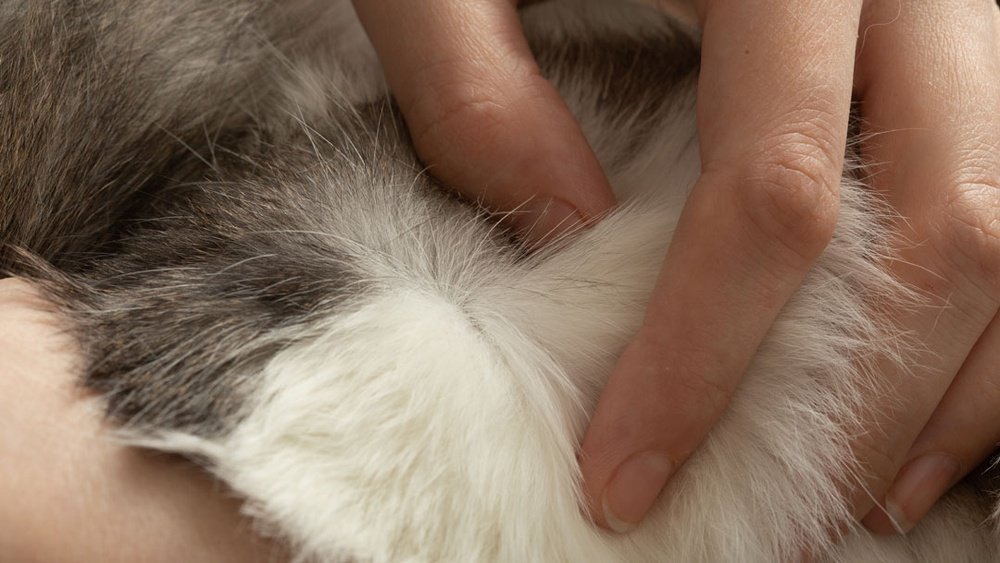
Fleas are tiny, but their impact on pets and homes can be massive. If you’ve been fighting a flea infestation and the flea treatment is not working, you’re not alone. Many pet owners try different products, follow instructions, and still see fleas jumping on their dog, cat, carpet, or even themselves. This can be frustrating and confusing.
But why does this happen? Are fleas just too tough to beat? The answer is more complex than many people think. In this article, you’ll find clear explanations, practical advice, and expert tips to help you understand why flea treatments fail and what you can do to finally win the battle against these persistent pests.
Why Flea Treatments Fail
Flea control seems simple: use a product and the fleas should disappear. But in reality, flea infestations are challenging because fleas have a complex life cycle, and not all treatments work in every situation. Let’s look at the main reasons treatments fail.
1. Incomplete Flea Life Cycle Coverage
Many treatments only kill adult fleas, but flea eggs, larvae, and pupae can survive for weeks or even months in your home. If you don’t target every stage, new adult fleas will keep appearing, making it seem like your treatment is not working.
It’s easy to think that once you see fewer fleas on your pet, the problem is over. But eggs and larvae are often hidden deep in carpets, in the cracks of floors, or stuck to pet bedding. Even the cleanest homes can have hundreds or thousands of eggs and larvae that are invisible to the eye.
When these immature fleas mature, the infestation seems to “suddenly” come back. This is why some people feel like they’re stuck in a never-ending battle.
2. Resistance To Flea Treatments
Over time, some flea populations become resistant to common insecticides. This means products that worked years ago may no longer be effective. For example, some studies show fleas can develop resistance to pyrethroids and fipronil, two common chemicals in flea products.
This resistance often happens in areas where the same product is used repeatedly, season after season, sometimes by many people in the same neighborhood. You might notice that your neighbor’s pets also have flea problems that won’t go away. In these situations, switching brands isn’t enough—you need to use a product with a completely different active ingredient.
3. Incorrect Application
Even the best treatment won’t work if it’s not used properly. Some common mistakes include:
- Not applying the full dose
- Applying to wet fur
- Bathing the pet too soon after application
- Missing reapplication schedules
A lot of people don’t realize how much timing and application site matter. For example, if you put a spot-on product too far down the back, the pet may lick it off. Or, if you give a pill but your pet spits it out, you may not notice and assume the treatment failed.
4. Reinfestation From The Environment
Fleas can survive in carpets, bedding, and outside areas. If you only treat your pet and ignore the environment, fleas will return quickly.
Fleas can lay up to 50 eggs per day, and these eggs fall off the pet into your home. So, if you don’t vacuum and wash bedding, you’re leaving behind a “flea nursery. ” Even outdoor areas like shaded patios, decks, or garages can harbor flea eggs and larvae, ready to jump back on your pet at the first chance.
5. Presence Of Other Animals
Wildlife like raccoons, feral cats, and rodents can bring fleas into your yard or home. If these animals are not kept away, reinfestation can continue.
It’s easy to forget about wild animals, but they can be a constant source of new fleas. Sometimes, a neighbor’s untreated pet can also contribute to your flea problem, especially in apartment complexes or homes with shared yards.
6. Using The Wrong Product
Each pet is different. A product that works for dogs may not be safe or effective for cats, and vice versa. Puppies, kittens, senior pets, or those with health issues may need specific treatments.
Using the wrong product can even harm your pet. For example, some dog flea products contain permethrin, which is toxic to cats. Always check the label and consult your veterinarian if you are unsure.
7. Not Treating All Pets
If you have more than one pet and only treat one, fleas will move to the untreated pets and keep the cycle going.
Fleas are opportunists—they don’t care which pet they’re on. If you have indoor cats and only treat your dog, the fleas will simply move to the cats. This is also true for small pets like rabbits or ferrets, which can sometimes get fleas too.
8. Flea Pupae Protection
Flea pupae are protected by a cocoon and can stay dormant for months. Most products cannot kill pupae, so even after a treatment, new adults can emerge.
These pupae are often hidden deep in carpets, cracks, or soil. They wait for the right conditions—like warmth, vibration, or even increased humidity—before hatching. This is why flea infestations can seem to “flare up” suddenly, even after weeks of treatment.
Understanding The Flea Life Cycle
To stop fleas, it’s important to know how they grow and multiply. The flea life cycle has four main stages: egg, larva, pupa, and adult. Each stage has its own challenges for treatment.
| Stage | Duration | Where Found | Resistant to Treatment? |
|---|---|---|---|
| Egg | 2-14 days | Carpets, bedding, cracks | Yes (many treatments) |
| Larva | 5-20 days | Hidden places, dust | Partially |
| Pupa | 5 days – 6 months | Cocoons in environment | Yes (most treatments) |
| Adult | Up to 100 days | On pets | No |
This means that even if you kill all the adult fleas, new ones can emerge from eggs, larvae, and pupae in your home weeks later. A successful flea program targets all stages.
It’s important to realize that over 90% of the flea population is not on your pet, but in your home’s environment as eggs, larvae, or pupae. Many owners don’t see the full scale of the problem because the immature stages are so well hidden.
Common Flea Treatments And How They Work
There are many flea products on the market, but they don’t all work the same way. Understanding their differences helps you choose the right one for your situation.
Topical Spot-on Treatments
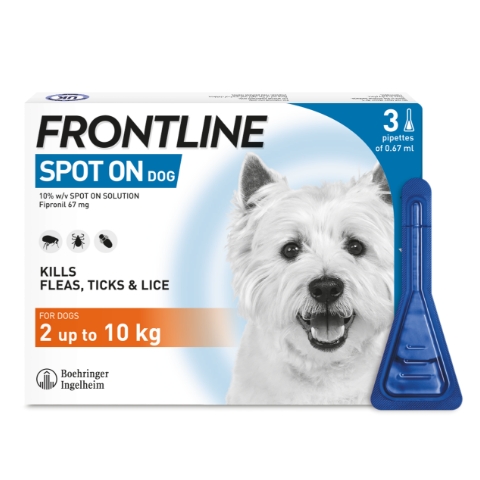
These are drops placed on the pet’s skin, usually at the neck or between the shoulders. They spread over the animal’s body and kill fleas when they bite.
- Examples: Frontline, Advantage, Revolution
- Kill adult fleas and sometimes larvae
- Last about 1 month
- Some also treat ticks or mites
A common mistake is bathing the pet before or after application, which can wash off the product and reduce its effectiveness. It’s best to wait two days before and after bathing.
Oral Medications
Given by mouth, these pills or chews work through the pet’s bloodstream.
- Examples: Capstar (fast-acting, short-lived), Bravecto, NexGard
- Kill adult fleas quickly
- Some last 24 hours, others last 1-3 months
Oral medications are less affected by bathing or swimming, making them a good choice for water-loving dogs. Always watch for side effects, such as vomiting or loss of appetite, and talk to your vet if these occur.
Flea Collars
Modern flea collars use slow-release technology to spread insecticide over the pet’s skin.
- Examples: Seresto, Scalibor
- Effective for several months
- Kill and repel fleas (and sometimes ticks)
Older collars were less effective, but today’s collars can provide steady protection. Make sure the collar fits well and stays in contact with the skin, not just the fur.
Flea Shampoos And Sprays
These kill fleas on contact but offer little lasting protection.
- Good for immediate relief
- Not enough as a stand-alone solution
Shampoos can help with heavy infestations but must be combined with other treatments for real control. Some sprays also contain insect growth regulators, which stop eggs from hatching.
Environmental Sprays And Foggers
Used in the home to kill eggs, larvae, and adults in carpets, bedding, and furniture.
- Often contain insect growth regulators (IGRs) that stop flea development
- Must be used carefully, following safety instructions
Foggers (also called “flea bombs”) can reach hidden areas but may not penetrate under furniture or rugs. You’ll need to vacuum and clean thoroughly after use.
Flea Combs
Fine-tooth combs remove fleas and eggs from pets.
- Useful as part of an integrated approach
- Does not prevent new fleas
Combing every day can help monitor progress and provide relief, especially for sensitive pets or young animals that can’t use chemical products.
Comparing Flea Treatments
Which treatment should you use? Each has pros and cons.
| Treatment Type | Pros | Cons | Best Use |
|---|---|---|---|
| Topical Spot-On | Easy to use, lasts 1 month | Some fleas resistant, may wash off | Monthly prevention |
| Oral Medication | Fast acting, no mess | Some pets refuse pills | Quick kill, ongoing control |
| Flea Collar | Long-lasting, low effort | Variable effectiveness | Ongoing prevention |
| Shampoo/Spray | Immediate relief | No lasting effect | Heavy infestations |
| Environmental Treatment | Targets home infestation | Some products toxic to pets/people | Whole-home approach |
Some owners find that using two or more methods together works best. For example, an oral medication for the pet and a spray for the home. Just never mix products without asking your vet, as some combinations can be unsafe.
Why Flea Treatment Fails: Real-world Scenarios
Let’s look at some common situations where flea treatment doesn’t work as expected.
Scenario 1: “i Treated My Pet But Still See Fleas”
This is often because new adult fleas are emerging from eggs, larvae, or pupae in the environment. If you only treat your pet, the flea life cycle continues in your home.
Sometimes, these “leftover” fleas are from pupae hatching days or weeks after you start treatment. This is why a one-time application won’t solve the problem.
Scenario 2: “flea Product Used For Months, But No Improvement”
This can be due to resistant fleas. Overuse of the same product leads to fleas that survive and reproduce. Switching to a new class of treatment is often needed.
It’s also possible the product is expired, stored incorrectly, or a counterfeit. Always buy from reputable sources and check the packaging for damage or odd smells.
Scenario 3: “pets Still Scratch After Treatment”
Sometimes, the treatment kills the fleas but the pet’s skin is irritated from bites or allergic reactions. It can take weeks for symptoms to improve even if fleas are gone.
In some cases, pets may have a secondary infection or allergy that needs separate treatment, such as antibiotics or anti-itch medication.
Scenario 4: “fleas Reappear After A Few Weeks”
This usually means the environment was not treated. Fleas in carpets, bedding, or outside re-infest the pet.
Sometimes, new fleas hitch a ride on shoes, clothing, or new pets entering the home. Regular cleaning and prevention are key to stopping these new introductions.
Scenario 5: “using Natural Remedies, But Infestation Persists”
While some natural products can help, most are not strong enough for a heavy flea infestation. Scientific studies show they often only repel fleas, not kill them.
For example, diatomaceous earth and essential oils may work in light cases, but they won’t break a major infestation. Some essential oils are even toxic to pets, so always use caution.
How To Fix Flea Treatment Failures
If you’re struggling with fleas despite using treatments, don’t lose hope. Here’s how to get on top of the problem.
1. Treat All Pets At The Same Time
Every cat and dog in the home must be treated, even if you only see fleas on one. Fleas will jump to untreated animals.
This includes pets that don’t go outside or those that seem “unaffected. ” Even a single untreated pet can keep the infestation going for everyone else.
2. Use The Right Dose And Product
Check the label for the correct weight and species. Never use a dog product on a cat—it can be deadly. For puppies, kittens, or sick pets, ask your vet for advice.
If you’re unsure about your pet’s weight or age, weigh them before buying or applying a product. Overdosing or underdosing reduces effectiveness and can be dangerous.
3. Stick To A Strict Schedule
Mark your calendar for when to reapply treatments. Missing a dose gives fleas a chance to recover.
Some products require application every 3-4 weeks, while others last longer. Set reminders on your phone or use a wall calendar to keep track.
4. Rotate Flea Treatments
If a product stops working, switch to a different active ingredient. For example, if you used fipronil (Frontline), try imidacloprid (Advantage) or an oral medication.
Ask your vet before switching, especially if your pet has health issues. Sudden changes or combining products can cause side effects.
5. Treat The Home Environment
Vacuum carpets, rugs, and furniture daily for several weeks. Wash pet bedding and blankets in hot water. Use an approved environmental spray or fogger with an insect growth regulator to target eggs and larvae. Pay attention to dark corners, under furniture, and cracks.
Don’t forget to vacuum along baseboards and in closets, where flea eggs often fall off pets. Dispose of vacuum bags or canister contents outside to prevent eggs from hatching indoors.
6. Control Fleas In The Yard
If your pets spend time outdoors, treat shaded areas, kennels, and favorite resting spots. Remove piles of leaves and keep grass short.
You can use outdoor sprays or beneficial nematodes (tiny worms that eat flea larvae) in the yard. Avoid overwatering, as moist environments help fleas thrive.
7. Block Wildlife Access
Seal gaps under fences, store food securely, and use motion-activated lights to keep wild animals away.
Secure trash bins and don’t leave pet food outside, as these attract flea-carrying animals.
8. Be Patient—breaking The Cycle Takes Time
Even with perfect treatment, you may see fleas for 2-3 months. This is because of the protected pupae emerging.
Track progress by noting how often you see fleas or flea dirt. If you notice a steady decrease, your plan is working—don’t stop treatments too soon.
9. Consult Your Veterinarian
If you’ve tried everything and still can’t get rid of fleas, see your vet. They can help find the cause and recommend advanced treatments.
Sometimes, rare issues like a tapeworm infection or underlying skin condition can make flea control harder. Your vet can test and treat these problems.
Non-obvious Insights Most Owners Miss
Many pet owners focus only on the pet, not the whole environment. Here are two important things beginners often overlook:
- Vacuuming is your best weapon: Vacuuming removes flea eggs, larvae, and pupae from carpets and cracks. Use a vacuum with a HEPA filter and empty it outside immediately.
- Flea pupae are almost invincible: Most products can’t penetrate the cocoon. The vibration from vacuuming and movement in the house encourages them to hatch, so you can kill the adults as they appear.
Another overlooked detail: washing bedding isn’t enough if you dry it at a low temperature. Use the hottest dryer setting to kill all flea stages.
How Long Should Flea Treatment Take To Work?
The answer depends on the size of the infestation and the type of product. Most spot-on or oral treatments start killing fleas within hours, but complete control in the home can take 2-3 months. Patience and consistency are key.
If you live in a humid area or have a cluttered home, it may take even longer. Tracking progress with weekly flea comb checks can keep you motivated.
The Importance Of Integrated Flea Control
No single product can end a flea infestation alone. The best approach is integrated pest management—treating the pet, environment, and yard together. This reduces the flea population at every stage and prevents reinfestation.
This approach is widely recommended by veterinarians and pest experts because it creates multiple barriers, making it much harder for fleas to survive.
Common Mistakes To Avoid
Let’s highlight common errors that make flea treatment less effective:
- Skipping doses or stopping early
- Treating only the pets, not the house
- Using expired or incorrect products
- Ignoring outdoor sources of fleas
- Assuming “no fleas seen” means they’re gone
Another mistake: not treating new pets before they enter the home. Always check and treat new arrivals to avoid starting the cycle again.
When To Seek Professional Help
If you’ve used multiple products, treated your home, and still see fleas after three months, it’s time to call a veterinarian or pest control professional. Persistent infestations can sometimes be due to hidden sources or require stronger interventions.
Professional pest control can use stronger products and find hidden breeding sites, such as wall voids or crawl spaces.
Special Considerations For Multi-pet Households
Fleas move easily between animals. In homes with several pets:
- Treat every animal, every time
- Keep pets separated during the first few hours after topical treatment to prevent licking
- Monitor for side effects, especially with new products
If you have pets with different species (like cats and dogs), keep their treatments separate and ensure they can’t groom each other right after application.
Are Fleas Dangerous? Why It Matters
Fleas are not just a nuisance. They can cause flea allergy dermatitis (severe itching and skin infections), transmit tapeworms, and even spread diseases like cat scratch fever. For young, old, or sick pets, heavy infestations can cause anemia.
Fleas can bite humans too, leading to itchy welts and, in rare cases, allergic reactions or secondary infections.
The Role Of Cleaning And Hygiene
Daily cleaning is crucial during an infestation. Here’s a checklist for best results:
- Wash all pet bedding, blankets, and soft toys in hot water weekly
- Vacuum carpets, rugs, and furniture every day for 2-4 weeks
- Empty vacuum bags or canisters outside
- Mop hard floors and clean under furniture
- Clean behind and under appliances
- Don’t forget cars if pets travel in them
Pay special attention to areas where pets sleep or rest, as these are flea hotspots. Also, clean under couch cushions and along baseboards, where eggs often fall.
Flea Treatment: Natural Vs. Chemical Options
Some owners prefer natural remedies like essential oils or diatomaceous earth. While these can help prevent fleas, studies show they’re rarely strong enough for a full-blown infestation.
Chemical treatments are usually needed for fast, effective control. If you want to use natural products, combine them with proven treatments and always check for pet safety.
For example, diatomaceous earth can be sprinkled in cracks or carpets, but avoid using too much or letting pets inhale it. Always research before using any new substance.

Credit: everestkitchennc.com
How To Know If The Flea Treatment Is Working
Watch for these signs:
- Fewer fleas seen on pets and in the house each week
- Less scratching and skin irritation
- Flea dirt (black specks) disappears from fur and bedding
You should also notice that pets seem more comfortable—sleeping better, playing more, and grooming less. If you still see live fleas after two months of strict treatment, reassess your approach.
Remember, seeing a few fleas in the first month is normal—this does not mean the treatment failed.
Preventing Future Flea Problems
Once you’ve won the battle, keep up year-round prevention. Fleas can survive indoors even in winter. Set reminders for monthly treatments and regular cleaning.
If you live in a warm climate, consider treating your yard regularly and trimming vegetation. Routine vacuuming and washing pet bedding keeps eggs and larvae from building up again.
Data: Flea Product Efficacy
Here’s a summary of how fast some popular treatments kill fleas:
| Product | Time to Kill 90% of Fleas | Reapplication Interval |
|---|---|---|
| Capstar (oral) | 6 hours | Daily if needed |
| Frontline Plus (spot-on) | 24 hours | Monthly |
| Seresto Collar | 48 hours | 8 months |
| Advantage II (spot-on) | 12 hours | Monthly |
This data shows why it’s important to pick a product that matches your needs—fast relief for heavy infestations, or long-term prevention for ongoing control.
When To Switch Products
If you’ve used a product for two months without improvement, it’s time to change. Look for a different active ingredient or delivery method (oral vs topical). Consult your vet for guidance.
Sometimes, environmental changes—like moving to a new home or adding a new pet—require adjusting your flea control strategy.
Credit: pethelpful.com
Environmental Factors That Make Flea Control Hard
Some homes are more prone to flea problems:
- Warm, humid climates help fleas thrive year-round
- Homes with carpets, rugs, and clutter offer hiding places
- Outdoor pets bring in new fleas
In these situations, flea control takes longer and requires more effort.
If you live in an apartment, check with your landlord about previous infestations. Sometimes, fleas survive from previous tenants and reappear when pets move in.
The Cost Of Flea Treatment Failure
Letting fleas persist leads to:
- Increased vet bills for skin infections or allergies
- Damage to carpets and furniture from repeated cleaning
- Stress for pets and owners
Investing in effective flea control saves money and stress in the long run.
Some pet insurance policies may cover part of the cost if flea-borne diseases cause health issues, but prevention is always cheaper.
Myths About Flea Treatment
There’s a lot of misinformation about fleas. Some common myths:
- “Fleas only live on dirty pets.” Fleas can infest any animal, clean or not.
- “If I don’t see fleas, they’re gone.” Fleas are experts at hiding.
- “One treatment is enough.” The flea life cycle means repeated treatments are necessary.
Another myth is that fleas die off in winter—indoor heating keeps them active all year. Don’t stop treatments just because it’s cold outside.
The Psychological Impact Of Flea Infestations
Dealing with fleas isn’t just a physical problem. The stress of constant cleaning, worry about pets, and the embarrassment of fleas in the home can affect mental health. Remember, flea infestations are common and treatable—don’t blame yourself.
Many owners feel frustrated or ashamed, but even experienced pet lovers face flea challenges. Support from vets, friends, or online communities can help you cope.
The Role Of Veterinary Advice
Your vet is your best ally in fighting fleas. They can:
- Confirm the presence of fleas vs. other skin problems
- Recommend the safest and most effective treatment
- Guide you on environmental control
Never hesitate to seek professional help, especially for recurring infestations.
Vets also stay updated on the latest products and resistance patterns in your region, helping you stay one step ahead.
External Resource
For more in-depth scientific information about flea resistance and treatment strategies, visit Wikipedia: Flea.
Credit: everestkitchennc.com
Frequently Asked Questions
Why Do Fleas Keep Coming Back After Treatment?
Fleas return because their eggs, larvae, and pupae remain in the environment. Standard treatments kill adults, but unless the whole life cycle is addressed (pet, home, yard), reinfestation happens as new fleas emerge.
Can Fleas Become Resistant To Treatments?
Yes, some flea populations develop resistance to certain chemicals. If a product stops working after regular use, switch to one with a different active ingredient and consult your vet.
How Often Should I Treat My Pet For Fleas?
Most products are applied monthly, but some oral medications or collars last longer. Follow label directions and treat all pets at the same time for the best results.
Are Natural Flea Treatments Effective?
Natural treatments can help prevent fleas but are usually not strong enough for an infestation. For severe problems, combine them with proven chemical treatments and always check for pet safety.
How Long Will It Take To Get Rid Of Fleas Completely?
With consistent treatment of pets, home, and environment, most infestations are controlled in 2-3 months. Seeing fleas in the first weeks is normal; complete elimination takes patience and persistence.
Fighting a flea infestation can be exhausting, but with the right approach and knowledge, you can regain a flea-free home and keep your pets comfortable and healthy. Remember, the key is consistency, using the right products, and treating both your pet and their environment.