Many dog owners notice their pets scratching, biting, or licking themselves more than usual. This constant itching can be distressing for both the dog and its owner. Often, the cause is not fleas or dry skin, but food allergies. Like humans, dogs can develop allergies to certain foods, and the main symptom is often persistent itching. Understanding which foods cause allergies and how to help your dog is essential for their comfort and health.
This guide takes a deep look at food allergies that cause itching in dogs. You’ll learn which foods are most likely to trigger reactions, how to spot the signs, how to diagnose food allergies, and most importantly, how to manage your dog’s diet for a happier, itch-free life. If you’ve ever wondered why your dog can’t stop scratching, or you suspect food might be the problem, this article will give you the knowledge and confidence to make the right choices.
What Are Food Allergies In Dogs?
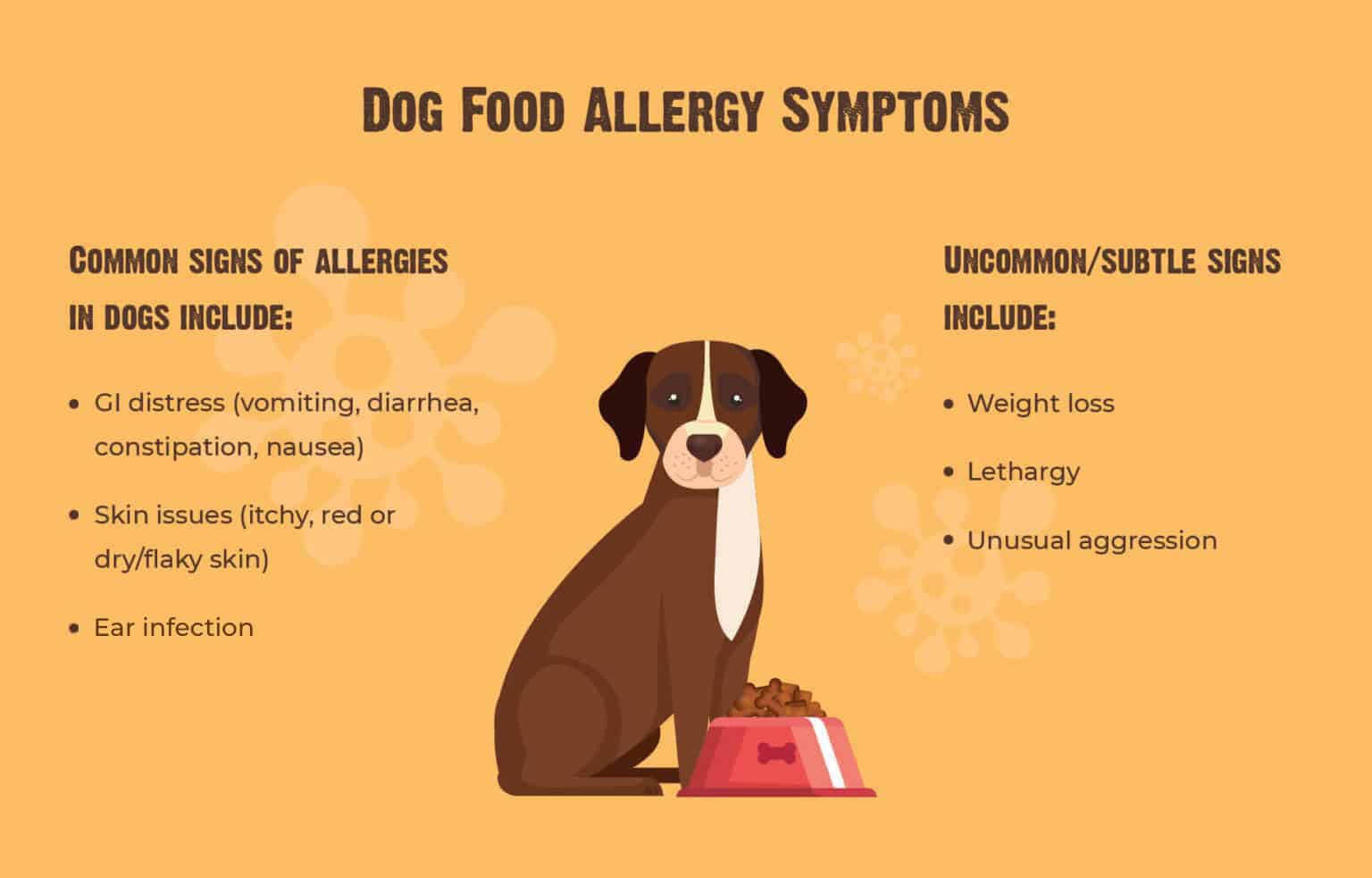
Food allergies in dogs happen when the immune system mistakes a normal food protein for a threat. Instead of digesting it peacefully, the immune system attacks. This causes symptoms, with itchy skin being the most common. While some dogs get stomach upset, most show allergies through skin problems like redness, swelling, or hives.
It’s important to know the difference between a food allergy and food intolerance. Allergies involve the immune system and can cause itching, while intolerance usually affects digestion (like diarrhea or vomiting) but rarely causes itchy skin. Allergies often start after repeated exposure to the same ingredient over time.
Why Do Food Allergies Cause Itching?
When a dog eats a food it’s allergic to, the body releases chemicals called histamines. These chemicals trigger inflammation, especially in the skin. As a result, the skin becomes itchy, red, and sometimes swollen. Dogs may scratch, bite, or lick certain areas, leading to hair loss or even skin infections.
Itching is most common on the face, ears, feet, belly, and armpits. Some dogs get so itchy that they develop open sores. This is why it’s vital to spot food allergies early and take action.
Top Foods That Cause Allergies And Itching In Dogs
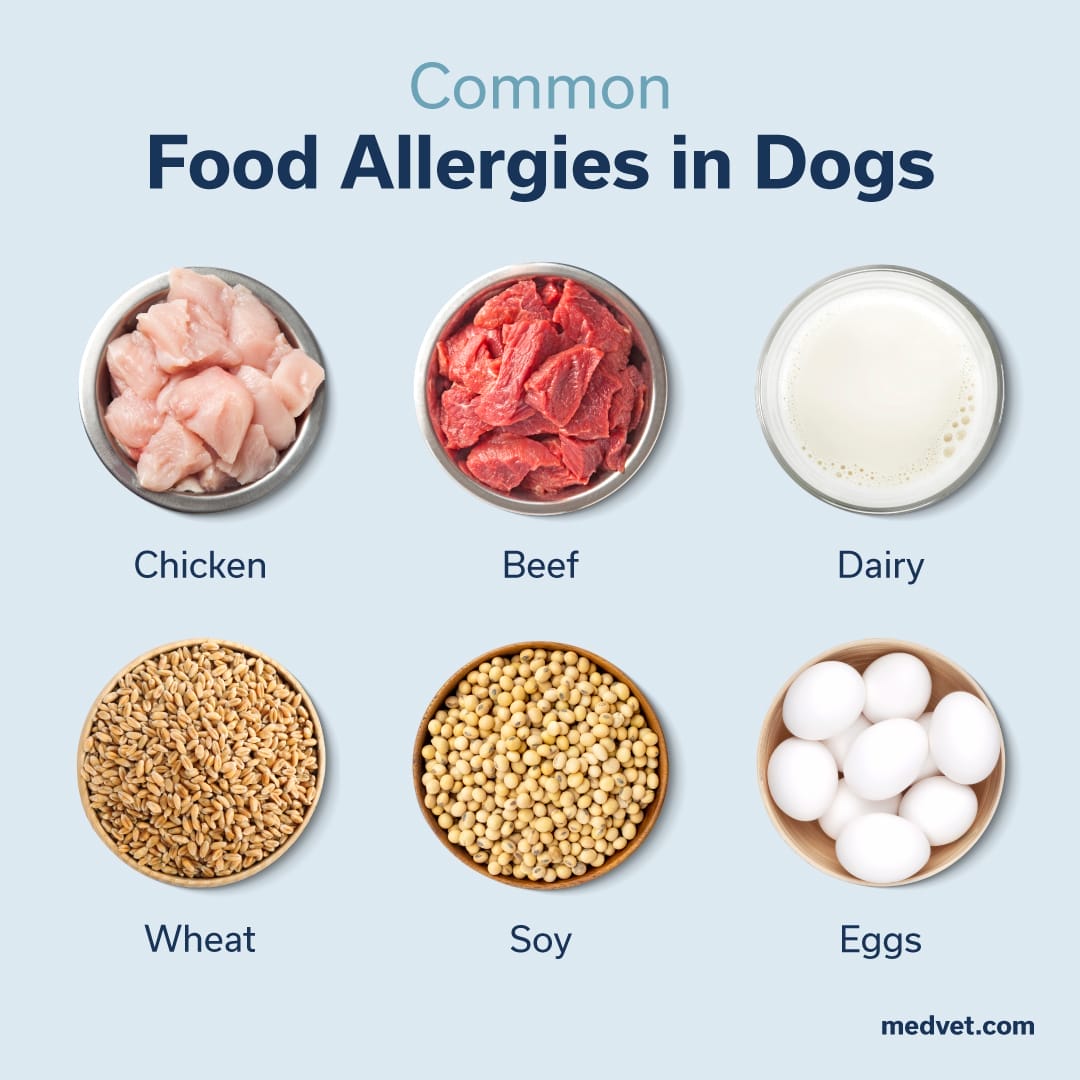
Not all foods are equally likely to cause allergies. Some ingredients are much more problematic for dogs. Here are the main culprits:
1. Beef
Beef is one of the most common causes of food allergies in dogs. Many commercial dog foods use beef as a main protein source. If a dog eats beef regularly, its immune system may start to react over time. Signs of a beef allergy often include persistent itching, especially around the face and paws, red skin, and sometimes ear infections.
Dogs with beef allergies may also have digestive issues, but skin problems are usually the first sign. Switching to a novel protein, like duck or rabbit, can help.
2. Dairy Products
Dairy is another frequent cause of allergic reactions in dogs. Dogs may be allergic to the proteins in milk, cheese, or yogurt. In addition, many dogs are lactose intolerant. This means they can’t digest lactose, leading to diarrhea or upset stomach, but not always itching.
However, if your dog itches after eating dairy, it may be an actual allergy to the proteins, not just intolerance. Watch for red, irritated skin after your dog consumes dairy products.
3. Chicken
Chicken is a common protein in dog foods and treats. Over time, some dogs develop an allergy to chicken, especially if it’s a staple in their diet. Chicken allergies often appear as skin problems: itchy paws, face, and ears, sometimes with red bumps or hotspots.
Because chicken is in so many foods, it’s a sneaky cause of allergies. Even “beef” or “fish” dog foods may contain chicken fat or flavoring, so always check the label.
4. Wheat
Wheat and other grains can cause allergies in some dogs. While true grain allergies are less common than protein allergies, they do occur. Wheat allergies usually show as itchy skin, redness, or repeated ear infections.
Some dog owners switch to grain-free diets to help with allergies, but it’s important to know that not all dogs need this. Only dogs with a proven grain allergy should avoid wheat.
5. Lamb
Although lamb was once considered a “hypoallergenic” protein, it can still cause allergies in some dogs. As lamb became more popular in dog foods, reports of lamb allergies increased. The symptoms are similar: itching, red skin, and sometimes chronic ear problems.
If your dog is allergic to beef or chicken, lamb is not always a safe alternative.
6. Eggs
Eggs are a good source of protein for dogs, but some are allergic to egg proteins, especially in the whites. Signs of an egg allergy include itchy skin, ear inflammation, and possibly digestive upset.
Eggs are used in many dog foods and treats. If your dog has an egg allergy, read ingredients lists carefully.
7. Soy
Soy is used in some dog foods as a protein source or filler. Some dogs are allergic to soy proteins, leading to itchy skin, hair loss, and sometimes gastrointestinal issues. Soy allergies are less common than beef or chicken allergies, but they can still cause problems in sensitive dogs.
8. Corn
Corn is another grain that can trigger allergic reactions in some dogs. Symptoms include persistent scratching, skin redness, and ear infections. Corn is present in many dry dog foods as a main ingredient or filler.
It’s worth noting that corn allergies are not as widespread as some believe, but they do affect some dogs.
9. Fish
Fish allergies are rare, but they do happen. Dogs can be allergic to specific types of fish, like salmon or whitefish, especially if these are fed often. Fish-based diets are often used for dogs with other allergies, but if you notice itching after switching to fish, consider a different protein.
10. Pork
Pork is less commonly used in dog food, but it can still cause allergies. Dogs allergic to pork may show the usual signs: itching, red skin, and sometimes swelling. Pork is sometimes used in treats or as a novel protein in special diets.
11. Artificial Additives
Some dogs react not just to natural ingredients, but to artificial additives in processed foods. These include food colorings, preservatives, and artificial flavors. While not “allergies” in the classic sense, these additives can trigger skin irritation and itching in sensitive dogs.
12. Other Less Common Allergens
Dogs can be allergic to almost any food protein, including duck, rabbit, venison, or peas. While these are less common, they’re worth considering if your dog is still itchy despite avoiding the usual suspects.
Common Signs Of Food Allergies That Cause Itching
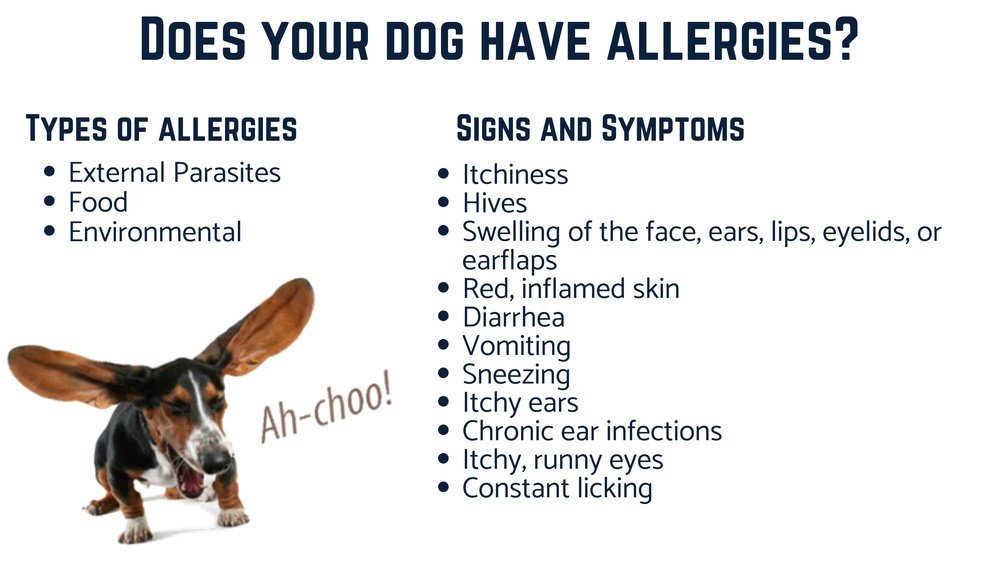
Most dog owners notice one main sign: itchy skin. But food allergies can appear in different ways. Here are the most common symptoms:
- Constant scratching, biting, or licking
- Red or inflamed skin, especially on face, paws, ears, belly, or armpits
- Chronic ear infections
- Hair loss or bald spots
- Hot spots (red, moist, irritated skin)
- Swelling around the eyes or mouth
- Repeated skin infections
Some dogs also have digestive issues, like vomiting or diarrhea, but this is less common than skin symptoms. If you notice any combination of these signs, food allergies should be on your radar.
How Food Allergies Develop In Dogs
Many owners are surprised when their dog develops an allergy to a food they’ve eaten for years. Food allergies can develop at any age and are not limited to puppies or certain breeds.
The process works like this:
- A dog eats a certain food protein over and over (often daily, as in most commercial dog foods).
- Over time, the immune system mistakenly identifies that protein as a threat.
- The immune system creates antibodies against the protein.
- When the dog eats the food again, the immune system overreacts, causing inflammation and itching.
This is why dogs often become allergic to foods they eat most often. Rotating proteins and using varied ingredients can help prevent allergies from developing.
Breeds Most Prone To Food Allergies
Any dog can develop food allergies, but some breeds are more prone to them. These include:
- Labrador Retrievers
- Golden Retrievers
- Cocker Spaniels
- Boxers
- German Shepherds
- West Highland White Terriers
- Dachshunds
- Shih Tzus
Mixed-breed dogs can also have food allergies. If you have one of these breeds and notice itching, watch their diet carefully.
Diagnosing Food Allergies In Dogs
Diagnosing a food allergy is not always easy. There’s no quick blood test or skin test that gives a clear answer. The gold standard for diagnosis is an elimination diet trial.
Steps For Diagnosing Food Allergies
- Start with a Novel Diet: Feed your dog a diet with proteins and carbohydrates they’ve never eaten before (like duck and potato). Avoid all treats, table scraps, and flavored medications.
- Wait 8-12 Weeks: It can take up to three months for symptoms to improve. Patience is key.
- Watch for Improvement: If itching improves, it suggests a food allergy.
- Re-challenge: Reintroduce old foods one at a time to see if symptoms return. This helps identify the exact allergen.
During this process, it’s crucial to be strict. Even a small amount of the allergen can ruin the test.
Table: Common Food Allergens Vs. Frequency Of Itching In Dogs
Here’s a helpful summary showing how often common foods cause itching in dogs:
| Food Allergen | Frequency of Allergic Itching | Typical Symptoms |
|---|---|---|
| Beef | Very Common | Face/paws itch, ear infections |
| Dairy | Common | Itching, GI upset, red skin |
| Chicken | Very Common | Paw/ear itch, hotspots |
| Wheat | Moderate | Itching, repeated ear infections |
| Lamb | Moderate | Skin redness, chronic itch |
| Eggs | Less Common | Itchy skin, ear issues |
| Soy | Less Common | Itching, hair loss |
| Corn | Less Common | Itching, skin irritation |
| Fish | Rare | Generalized itching |
| Pork | Rare | Red, itchy skin |
How To Manage Food Allergies That Cause Itching
Once you know (or suspect) your dog has a food allergy, the most important step is avoiding the trigger food. Here’s how to do it:
1. Switch To A Hypoallergenic Diet
Many pet food brands now offer hypoallergenic or limited-ingredient diets. These foods use novel proteins (like venison or kangaroo) and novel carbohydrates (like sweet potato), which your dog is less likely to react to.
2. Home-cooked Diets
If you want more control over ingredients, you can cook for your dog at home. This lets you avoid all allergens, but it’s important to make sure the diet is balanced. Consult your vet or a canine nutritionist for help.
3. Avoid All Treats And Table Scraps
Even small amounts of the allergen can trigger itching. Avoid giving your dog treats, chews, or table scraps unless you know every ingredient is safe.
4. Read Labels Carefully
Many dog foods contain hidden allergens. For example, “salmon” dog food may still contain chicken fat. Always check the full ingredients list.
5. Rotate Proteins
Feeding your dog a variety of protein sources over time may help prevent allergies from developing. For example, switch between fish, turkey, and lamb every few months.
6. Manage Symptoms During The Transition
It can take weeks for itching to improve after a diet change. In the meantime, your vet may suggest medications or supplements to reduce inflammation and itching.
Table: Commercial Hypoallergenic Diets For Dogs
Here is a comparison of some popular hypoallergenic dog food options:
| Brand/Product | Protein Source | Carb Source | Type | Typical Price (per lb) |
|---|---|---|---|---|
| Hill’s Prescription Diet d/d | Duck, Salmon, Venison | Potato | Dry/Wet | $4.50 |
| Royal Canin Hydrolyzed Protein | Hydrolyzed Soy | Rice | Dry/Wet | $5.00 |
| Blue Buffalo Basics Limited Ingredient | Turkey, Salmon | Pumpkin, Potato | Dry | $3.00 |
| Natural Balance L.I.D. | Duck, Salmon | Sweet Potato | Dry/Wet | $2.80 |
| Zignature Limited Ingredient | Kangaroo, Goat | Peas, Chickpeas | Dry | $5.50 |
Remember, always consult your veterinarian before switching to a prescription or special diet.
How To Prevent Food Allergies In Dogs
While you cannot completely prevent food allergies, there are steps you can take to lower the risk:
- Rotate proteins: Don’t feed your dog the same protein every day for years. Rotate between safe, high-quality proteins.
- Use limited-ingredient foods: These contain fewer components and are less likely to cause allergies.
- Avoid over-processed foods: Highly processed foods may contain hidden allergens and additives.
- Introduce new foods slowly: Watch for signs of itching or digestive upset when trying new foods.
Some evidence suggests that starting with a varied diet in puppyhood may help prevent allergies later on.
Non-obvious Insights On Dog Food Allergies
Many owners focus only on food ingredients, but there are other factors to consider:
- Environmental Allergens Can Mimic Food Allergies: Dust mites, pollen, or mold can cause similar symptoms to food allergies. Sometimes, dogs have both at the same time. If changing food doesn’t help, consider environmental causes.
- Secondary Infections Make Itching Worse: When a dog scratches too much, they can break the skin. This lets bacteria or yeast cause secondary infections, making itching even worse. These infections need separate treatment from the allergy itself.
- Food Allergies Can Change Over Time: A dog may develop a new allergy after years on the same food, or they may outgrow an old one. Regular monitoring is important.
- Medications Can Mask Symptoms: Some steroids or allergy drugs reduce itching, but if you stop them, the allergy may return. Don’t rely on medication alone—find and remove the cause.
Credit: rawznaturalpetfood.com
Home Remedies For Itching Due To Food Allergies
While diet change is the main solution, some home remedies can help manage symptoms:
- Oatmeal baths: Oatmeal soothes itchy skin and reduces inflammation.
- Coconut oil: Applying a small amount to itchy areas may help, but don’t overdo it.
- Omega-3 fatty acids: Fish oil supplements can reduce skin inflammation (check with your vet first).
Remember, these are not cures. They only manage symptoms while you identify and remove the allergen.
Veterinary Treatment Options
If your dog’s itching is severe or doesn’t improve with diet changes, your vet may suggest:
- Antihistamines: These can help some dogs, but not all.
- Steroids: Powerful anti-inflammatories for severe cases, but not for long-term use.
- Antibiotics or antifungals: For secondary skin infections caused by scratching.
- Immunotherapy: Allergy shots or drops are rarely used for food allergies, but may help with environmental allergies.
Always follow your vet’s advice. Don’t give human medicines without approval.
)
Credit: lyka.com.au
Table: Key Differences—food Allergies Vs. Other Causes Of Itching
Itching in dogs can have many causes. Here’s how food allergies compare to other common culprits:
| Cause | Main Symptom Areas | Other Symptoms | Typical Response to Diet Change |
|---|---|---|---|
| Food Allergy | Face, paws, ears, belly | Ear infections, GI upset | Improves with allergen removal |
| Flea Allergy | Base of tail, back legs | Visible fleas/flea dirt | No improvement |
| Environmental Allergy | Paws, belly, underarms | Seasonal signs, sneezing | Little or no change |
| Skin Infection | Any area | Pustules, odor | No improvement |
If you are unsure of the cause, work with your vet for an accurate diagnosis.
Mistakes To Avoid When Dealing With Food Allergies
Many well-meaning owners make mistakes that delay their dog’s recovery. Here are some to avoid:
- Not being strict with the elimination diet: Even a small treat or flavored chew can ruin the test.
- Switching foods too often: Changing foods weekly makes it hard to see what’s helping.
- Not checking all sources of allergens: Medications, dental chews, and even flavored toys may contain allergens.
- Stopping treatment too soon: It can take weeks for symptoms to improve after changing the diet.
- Relying on medication alone: Drugs may hide the symptoms but do not fix the underlying cause.
How To Talk To Your Vet About Food Allergies
When you visit your veterinarian, bring as much information as possible:
- List all foods, treats, and supplements your dog eats.
- Note when the itching started and any changes you’ve made.
- Take pictures of skin symptoms for tracking progress.
Ask your vet about elimination diets and which foods to try. Some vets recommend prescription diets during the trial, while others suggest home-cooked options. Always follow their advice closely.
Real-world Example: Max The Scratching Labrador
Max, a four-year-old Labrador Retriever, started scratching his ears and chewing his paws every day. His owner thought it was fleas, but flea treatments didn’t help. The vet suggested an elimination diet, starting with a duck and potato formula. Within six weeks, Max’s itching stopped. When his old beef treats were reintroduced, the symptoms returned. The culprit? A beef allergy. Max now eats only foods and treats without beef and is itch-free.
This story shows how careful diet management can solve even severe itching in dogs.
Credit: www.medvet.com
How Food Allergies Impact Quality Of Life
Dogs with untreated food allergies suffer constant discomfort. Chronic itching leads to:
- Poor sleep
- Anxiety and restlessness
- Skin damage and infections
- Lower quality of life
Owners also face stress, extra vet bills, and the frustration of seeing their dog in pain. Early diagnosis and management can make a huge difference.
The Role Of Supplements In Managing Allergic Itching
Some supplements can support skin health in allergic dogs:
- Omega-3 fatty acids: Reduce inflammation and improve skin barrier.
- Probiotics: Support gut health, which may help the immune system.
- Vitamin E: Antioxidant that supports skin repair.
Supplements are not a cure, but they can help control symptoms when used alongside an appropriate diet.
The Science: Why Some Proteins Cause More Allergies
Certain proteins are more likely to cause allergies because they have a structure that triggers the immune system. For example, beef and chicken proteins are large and complex, making them more noticeable to the body’s defenses. Proteins that are very different from what a dog usually eats (like kangaroo or alligator) are less likely to cause allergies.
Hydrolyzed proteins are proteins broken down into very small pieces. The immune system doesn’t recognize them as threats, so they are often used in prescription allergy diets.
When To Seek Emergency Help
In rare cases, a food allergy can cause a severe reaction called anaphylaxis. Signs include:
- Swelling of the face or throat
- Difficulty breathing
- Collapse
If you see these symptoms, seek veterinary care immediately.
Long-term Outlook For Dogs With Food Allergies
With the right management, most dogs with food allergies live normal, happy lives. The key is to:
- Identify and avoid the trigger foods
- Monitor for new allergies
- Work closely with your vet
Some dogs need to avoid just one protein, while others have multiple allergies and require more complex diets. Regular check-ups are important to catch any new issues early.
New Research And Future Directions
Scientists are studying ways to prevent and treat food allergies in dogs. Some new ideas include:
- Probiotic therapy: Changing the gut bacteria to support immune health.
- Early-life diet variation: Feeding puppies a mix of proteins to help prevent allergies.
- Improved diagnostic tests: Better blood or skin tests to identify allergens quickly.
For more information on current research, check out American Veterinary Medical Association.
Frequently Asked Questions
What Is The Most Common Food Allergy That Causes Itching In Dogs?
The most common food allergy causing itching in dogs is to beef. Other frequent allergens include chicken, dairy, and wheat. Most allergic reactions show up as itchy skin, especially on the face, paws, and ears.
How Long Does It Take For Itching To Stop After Changing A Dog’s Food?
It can take 8 to 12 weeks for itching to improve after switching to a new diet. The old allergens need time to leave the body, and skin healing also takes time. Be patient and stick to the new diet without any treats or flavored chews.
Can Dogs Develop Allergies To Food They’ve Eaten For Years?
Yes, dogs can develop allergies to foods they’ve eaten for a long time. Repeated exposure increases the risk. This is why variety in your dog’s diet can help prevent allergies from developing.
Is Grain-free Food Always Better For Dogs With Allergies?
Not necessarily. Most food allergies in dogs are caused by proteins, not grains. Grain-free foods are only needed for dogs with a proven grain allergy. Otherwise, focus on avoiding the main protein allergens like beef or chicken.
What Should I Do If My Dog Is Still Itchy After Changing Food?
If your dog is still itchy after a food change, check for hidden sources of the allergen (treats, medications, flavored toys). If you’re sure food is not the cause, consider other allergies (like environmental or flea allergies) and work with your vet for further diagnosis.
Helping your dog with food allergies is a journey. By understanding the causes, recognizing the signs, and carefully managing their diet, you can give your dog a comfortable, itch-free life. Consistency and patience are key. With the right approach, most dogs can say goodbye to constant itching and enjoy their days to the fullest.