Green Lipped Mussel For Dogs: The Complete Guide
Every dog owner wants their pet to live a happy, active life. As dogs age, joint health becomes a major concern. You may have heard about green lipped mussel as a natural supplement for dogs, especially for joint support. But what exactly is it? How does it work? Is it safe? This guide will answer all your questions, whether you’re new to dog supplements or seeking the latest science on natural remedies.
Let’s dive into the world of green lipped mussels—where they come from, their unique benefits, how to use them, what to watch out for, and how they compare to other joint supplements. You’ll also discover practical advice, common mistakes, and real-world examples to help you make the best choice for your dog’s health.
What Is Green Lipped Mussel?
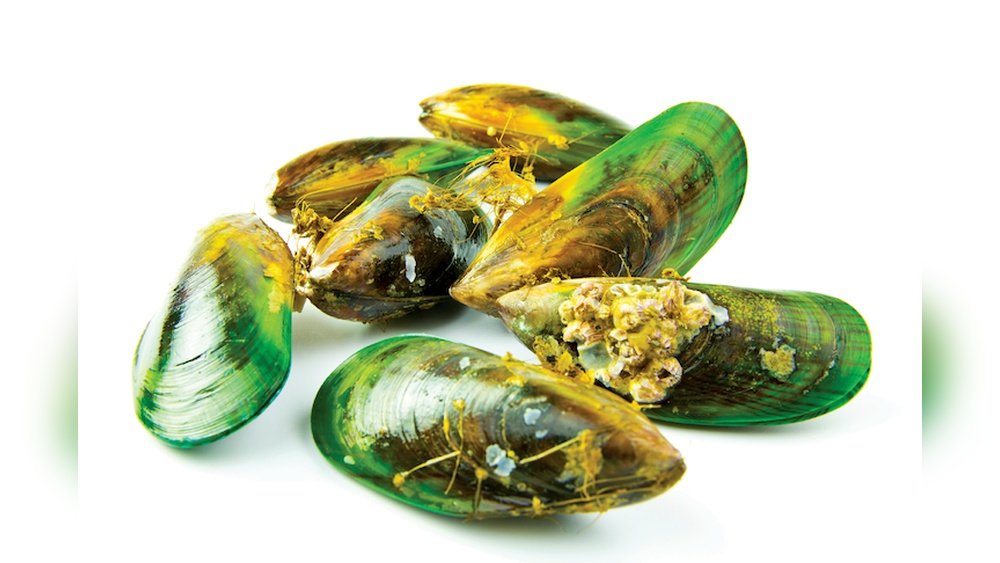
Green lipped mussel (Perna canaliculus) is a shellfish native to the clean waters of New Zealand. The name comes from the mussel’s green edges or “lips.” For centuries, the indigenous Māori people have eaten these mussels and noticed fewer joint problems compared to other populations.
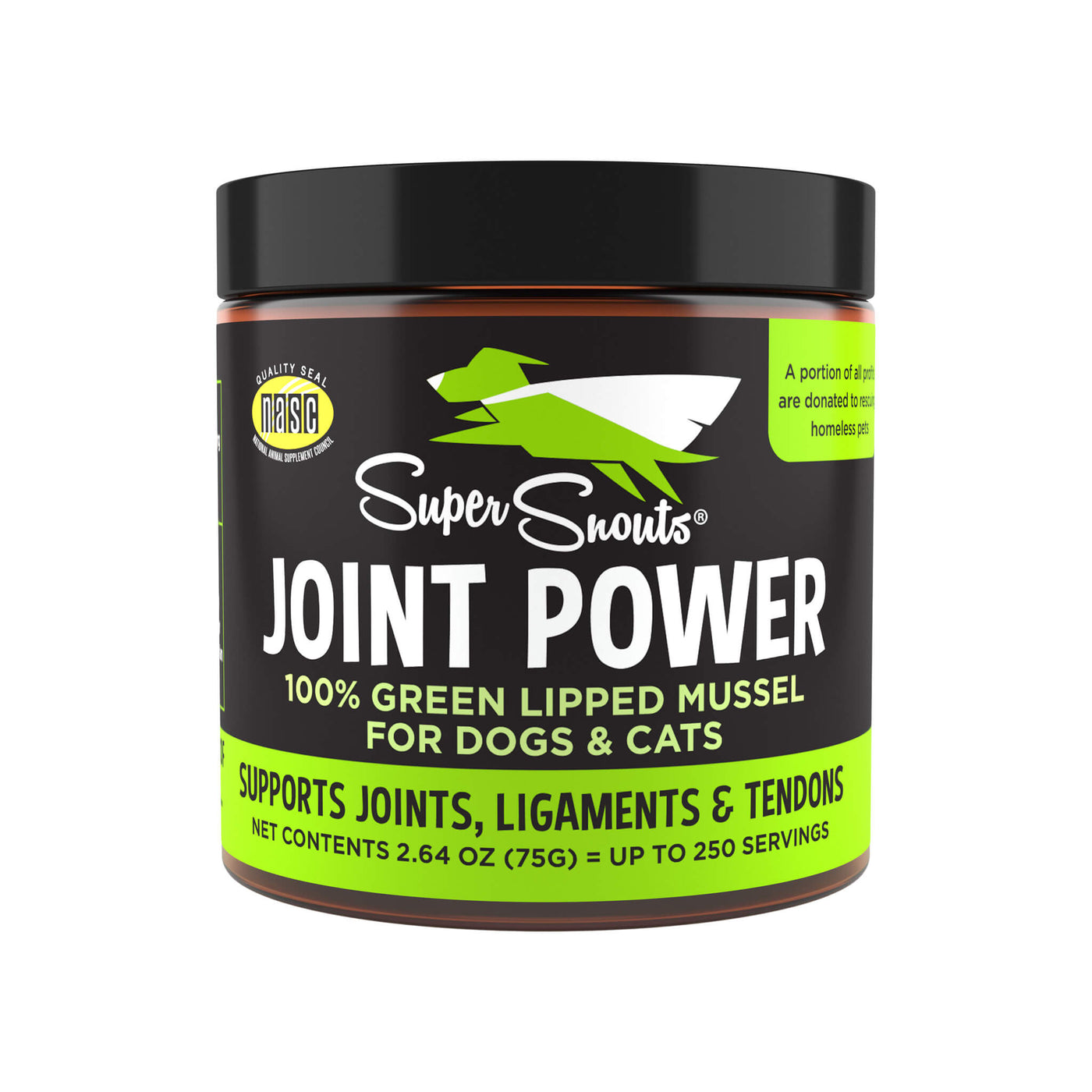
Today, green lipped mussel is famous worldwide as a natural anti-inflammatory and joint health supplement. It’s available in powder, capsule, chew, and oil forms. The supplement is used for both humans and pets, with growing popularity among dog owners.
Unlike many other marine supplements, green lipped mussel is not just a source of omega-3. It contains a mix of unique nutrients that work together to support joints, skin, and overall health.
Key Nutrients In Green Lipped Mussel
The power of green lipped mussel comes from its special combination of omega-3 fatty acids, amino acids, minerals, and antioxidants. Here’s what makes it stand out:
- EPA and DHA: These are well-known omega-3 fatty acids, important for reducing joint inflammation. Green lipped mussel also provides rare omega-3s called ETA (eicosatetraenoic acid).
- Glycosaminoglycans (GAGs): Includes chondroitin sulfate and glucosamine, which help build and maintain healthy joint cartilage.
- Vitamins and minerals: Especially zinc, copper, and manganese, which support joint repair and immune health.
- Amino acids: The building blocks of protein, essential for tissue repair and muscle strength.
- Antioxidants: Protect cells from damage and help reduce inflammation.
Non-obvious insight: Green lipped mussel contains more than 30 different types of fatty acids, many of which are not found in fish oil. These unique fatty acids may explain why it sometimes works when other omega-3 supplements fail.

Credit: drjudymorgan.com
How Does Green Lipped Mussel Help Dogs?
Many dogs, especially older ones or certain breeds, develop joint problems. The most common is osteoarthritis, where joint cartilage wears down, causing pain and stiffness. Other issues include hip dysplasia and injuries from exercise.
Green lipped mussel is used mainly for:
- Reducing joint pain and stiffness
- Improving mobility and activity
- Supporting cartilage repair
- Lowering inflammation
- Promoting healthy skin and coat
Mechanism Of Action
Green lipped mussel works in several ways:
- Blocks inflammation: Its omega-3s, especially ETA, stop the production of certain enzymes that cause joint pain.
- Nourishes cartilage: The GAGs help rebuild and protect joint cartilage.
- Supports joint fluid: Keeps joints lubricated, making movement easier.
- Provides antioxidants: Lowers cell damage and supports healing.
Scientific Evidence
Many studies show green lipped mussel can help both humans and dogs with joint problems. For example, a 2007 study published in the “Journal of Nutrition” found that dogs with arthritis who took green lipped mussel showed improved activity and less pain compared to a placebo group.
Another 2013 study followed dogs with moderate osteoarthritis for 12 weeks. Dogs given green lipped mussel extract had better joint mobility, less pain, and needed fewer painkillers than those who received a placebo.
Practical tip: Results are often seen after 4-8 weeks. The effect is gradual, not instant, so patience is important.
Main Benefits Of Green Lipped Mussel For Dogs
Let’s look closer at the key ways green lipped mussel can help your dog:
1. Joint Health And Mobility
Green lipped mussel is best known for supporting joint health. It’s especially helpful for:
- Senior dogs with stiff joints
- Large breeds prone to hip or elbow dysplasia
- Dogs recovering from surgery or injury
- Working and sporting dogs
Many owners notice their dogs walk more easily, climb stairs better, or return to favorite activities after taking this supplement.
2. Natural Anti-inflammatory
Unlike some medications, green lipped mussel fights inflammation without harsh side effects. Its unique omega-3s block the same inflammatory pathways as NSAID drugs, but more gently.
Dogs with chronic inflammation, such as those with autoimmune issues, may benefit from this natural support.
3. Cartilage Protection
Glycosaminoglycans in green lipped mussel help protect and rebuild cartilage. This is important because, in arthritis, the body loses cartilage faster than it can repair.
The supplement provides the raw materials for healthy joints, slowing down the damage.
4. Skin And Coat Health
The rich mix of fatty acids and antioxidants also supports healthy skin and a shiny coat. Some owners use green lipped mussel for dogs with allergies, itching, or dry skin.
5. Immune Support
The minerals and antioxidants in green lipped mussel help the immune system stay strong. This may help dogs recover from illness or surgery faster.
6. Fewer Side Effects
Unlike prescription painkillers, green lipped mussel is gentle on the stomach, kidneys, and liver. Most dogs tolerate it well, making it a good choice for long-term use.
Non-obvious insight: Some dogs with digestive issues do better with green lipped mussel than with fish oil, as the unique fatty acids are easier to digest.
Credit: petpalfoods.com
How To Choose The Right Green Lipped Mussel Supplement
Not all green lipped mussel products are the same. Here’s what to look for when choosing a supplement for your dog:
Source And Purity
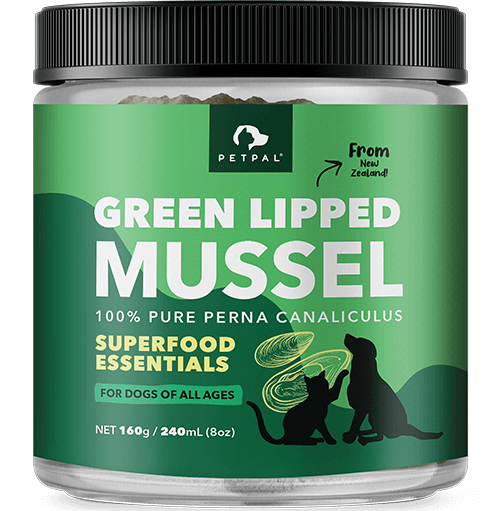
Look for products that use 100% pure green lipped mussel from New Zealand. The best brands provide certificates of origin and quality testing.
Avoid products with fillers, artificial flavors, or unnecessary additives.
Form: Powder, Capsule, Chew, Or Oil?
Green lipped mussel is sold in different forms. Each has pros and cons:
- Powder: Easy to mix with food, good for picky eaters, usually most affordable.
- Capsules: Convenient for precise dosing, less messy.
- Chews: Tasty, easy to give as a treat, may contain extra flavors or ingredients.
- Oil: High in fatty acids but can spoil quickly if not stored well.
Practical tip: If your dog is allergic to shellfish, check with your vet before using any form.
Potency And Dosage
Check the concentration of active ingredients (like total omega-3s, GAGs) on the label. Higher potency usually means better results but may cost more.
Sustainability
Green lipped mussel farming in New Zealand is generally eco-friendly, but it’s smart to choose brands that follow sustainable harvesting and environmental practices.
Price Vs. Value
Cheaper is not always better. High-quality, pure green lipped mussel costs more to produce, but delivers real results. Very low-priced products may be diluted or old.
Common mistake: Some owners buy “green lipped mussel oil” thinking it’s the same as the whole food powder. Oil extracts miss some key nutrients, so check what you’re getting.
How To Give Green Lipped Mussel To Dogs
Giving green lipped mussel is simple, but some care is needed for the best results.
Dosage Guidelines
The right dosage depends on your dog’s size, age, and health. Always follow the instructions on your product, but general guidelines are:
- Small dogs (up to 25 lbs / 11 kg): 300-600 mg per day
- Medium dogs (25–50 lbs / 11–23 kg): 600-1200 mg per day
- Large dogs (50–100 lbs / 23–45 kg): 1200-2400 mg per day
If your dog is on medication, or has health issues, ask your vet about the best dose.
How To Give It
- Powder: Sprinkle on food. Start with a small amount and increase slowly.
- Capsules: Can be hidden in treats or opened and mixed with food.
- Chews: Give as a treat, but check for extra calories.
Dogs usually accept green lipped mussel well, as it has a mild seafood flavor. If your dog refuses, try mixing with wet food or bone broth.
When To Expect Results
Improvements in movement or comfort may take 4–8 weeks. Some owners notice a shinier coat or less itching even sooner. If there’s no change after 3 months, review the dosage and check if the product is high quality.
Practical tip: Always store green lipped mussel in a cool, dry place, and use before the expiry date. Heat and light can destroy its nutrients.
Comparing Green Lipped Mussel To Other Joint Supplements
Many joint supplements are available for dogs: glucosamine, chondroitin, MSM, fish oil, and more. How does green lipped mussel compare?
Here’s a side-by-side look at the main differences:
| Supplement | Main Ingredients | Key Benefits | Side Effects |
|---|---|---|---|
| Green Lipped Mussel | Omega-3s, GAGs, minerals | Joint health, anti-inflammatory, skin/coat | Rare, mild digestive upset |
| Glucosamine/Chondroitin | GAGs | Cartilage support | Occasional digestive upset |
| Fish Oil | Omega-3s (EPA/DHA) | Anti-inflammatory, heart health, skin/coat | Fishy breath, diarrhea in high doses |
| MSM | Sulfur compound | Pain relief, anti-inflammatory | Rare, mild digestive upset |
| NSAIDs | Drugs | Pain relief | Stomach, kidney, liver side effects |
Unique advantage: Green lipped mussel combines the benefits of omega-3s and GAGs in one natural food, often giving broader results than single-ingredient supplements.
When To Use Green Lipped Mussel Instead Of Other Supplements
- If your dog can’t tolerate NSAIDs or fish oil, green lipped mussel is a gentle alternative.
- If your dog is already on glucosamine, adding green lipped mussel can increase the effect, since the nutrients work together.
- For dogs with both skin and joint issues, green lipped mussel may cover both needs.
Non-obvious insight: Some joint supplements contain “green lipped mussel” but only in tiny amounts as a “label dressing.” Always check the actual mg content.
Safety And Side Effects
Green lipped mussel is safe for most dogs when given at the right dose. Side effects are rare but can include:
- Mild digestive upset (loose stool, vomiting)
- Fishy breath or body odor
- Allergic reaction (very rare, especially in dogs with shellfish allergies)
If you notice any unusual signs after starting green lipped mussel, stop and contact your veterinarian.
Who Should Not Use Green Lipped Mussel
- Dogs allergic to shellfish or seafood
- Dogs on blood-thinning medications (may increase bleeding risk)
- Dogs with severe liver or kidney disease (ask your vet first)
Practical tip: Always introduce new supplements slowly, over several days, to watch for reactions.
Myths And Misconceptions
Many myths surround green lipped mussel. Here are the most common—and the facts:
“it Works Instantly.”
False. Green lipped mussel works gradually. Most dogs need 4–8 weeks to see results.
“it’s The Same As Fish Oil.”
Not true. While both provide omega-3s, green lipped mussel contains unique fatty acids (like ETA) and cartilage-building nutrients not found in fish oil.
“all Green Lipped Mussel Supplements Are The Same.”
Quality varies widely by brand, processing, and source. Choose products with clear labeling and third-party testing.
“it Cures Arthritis.”
No supplement cures arthritis. Green lipped mussel helps manage symptoms and improve quality of life, but will not reverse severe damage.
“more Is Always Better.”
Overdosing can cause stomach upset or waste money. Stick to recommended amounts.
Real-life Examples
Many dog owners have seen real changes after using green lipped mussel. Here are a few typical stories:
- Bella, a 9-year-old Labrador, had trouble standing up and walking. After 6 weeks on green lipped mussel powder, she moved more easily and started playing again.
- Max, a German Shepherd with hip dysplasia, needed fewer painkillers after adding green lipped mussel to his diet.
- Luna, a rescue dog with itchy skin and stiff joints, had a shinier coat and better movement after 2 months.
Vets often recommend green lipped mussel as part of a joint care plan, sometimes with physical therapy or weight management.
Common Mistakes When Using Green Lipped Mussel
- Buying low-quality supplements: Not all products are pure. Check for certifications and real reviews.
- Using too little: Underdosing is common. Use the full recommended amount for your dog’s size.
- Expecting instant results: Be patient and give it time.
- Ignoring other health needs: Green lipped mussel works best with a balanced diet, healthy weight, and regular exercise.
- Not checking for allergies: Rare, but important, especially if your dog has reacted to shellfish before.
Practical tip: Keep a journal of your dog’s symptoms, movement, and comfort before and after starting the supplement. This helps you and your vet track changes.
Green Lipped Mussel And Puppies Or Pregnant Dogs
Green lipped mussel is mainly used for adult or senior dogs with joint issues. There’s less research on its safety for puppies or pregnant/nursing dogs.
- For puppies: Usually not needed unless your vet recommends it for a health condition.
- For pregnant or nursing dogs: Consult your vet before use, as effects are not well studied.
How To Store And Handle Green Lipped Mussel
Proper storage keeps the supplement fresh and potent:
- Keep in a cool, dry place (not in sunlight or near heat)
- Seal tightly after each use to keep out air and moisture
- Use by the expiry date
- Do not freeze unless the label says it’s safe
If the powder or chews change color, smell, or texture, don’t use them.
Cost Vs. Value: Is Green Lipped Mussel Worth It?
Green lipped mussel supplements cost more than basic joint products, but many owners feel the benefits are worth it.
Here’s a rough cost comparison for a month’s supply (for a 50 lb / 23 kg dog):
| Supplement | Average Monthly Cost | Benefits |
|---|---|---|
| Green Lipped Mussel | $25–$40 | Joint, skin, general health |
| Glucosamine/Chondroitin | $15–$30 | Joint only |
| Fish Oil | $10–$20 | Skin, heart, some joint |
| NSAIDs (prescription) | $30–$60 | Pain relief only |
Practical advice: If green lipped mussel allows your dog to move better, play more, and need fewer medications, it can save money on vet bills over time.
How To Combine Green Lipped Mussel With Other Joint Support
Green lipped mussel can be used with other joint supplements, but some combinations work better than others:
- With glucosamine/chondroitin: Can increase benefits, since they work in different ways.
- With fish oil: Possible, but may be too much omega-3. Watch for loose stool.
- With NSAIDs: Ask your vet. Green lipped mussel may allow you to lower the drug dose.
- With physical therapy or weight control: Best results come from a full joint care plan.
Non-obvious insight: Too many supplements can upset the stomach or “overwhelm” the body. Introduce one change at a time and monitor results.
What To Ask Your Vet
Before starting green lipped mussel, discuss these points with your veterinarian:
- Is it right for my dog’s condition?
- Is my dog allergic to shellfish?
- What dose is best for my dog’s size and age?
- Are there any drug interactions?
- How should I track results?
A good vet can help you choose a trusted brand and set realistic goals.
Credit: www.onlynaturalpet.com
How To Tell If It’s Working
Signs that green lipped mussel is helping your dog include:
- Easier movement (getting up, walking, climbing)
- More interest in play and exercise
- Less limping or stiffness
- Reduced need for pain medication
- Shinier coat, less itching
Practical tip: Take videos before and after starting the supplement to see changes in movement.
Where To Buy Green Lipped Mussel For Dogs
You can buy green lipped mussel at pet stores, vets, or online. Look for:
- Clear labeling (species name: Perna canaliculus)
- Origin (New Zealand is best)
- Purity and testing information
- Reviews from other dog owners
Be cautious: Some brands sell “mussel blend” with little green lipped mussel. Pure products usually give better results.
For more information on the science behind green lipped mussel, see this Wikipedia article.
Frequently Asked Questions
Is Green Lipped Mussel Safe For All Dogs?
Most healthy adult dogs can take green lipped mussel with no problems. Dogs with shellfish allergies, or those taking blood thinners, should avoid it. Always check with your vet before starting any new supplement.
How Long Does It Take To See Results?
Most owners notice improvements in joint comfort, movement, or coat condition in 4–8 weeks. Some dogs respond sooner, others take longer. Consistent daily use is important.
Can I Give Green Lipped Mussel With Other Medications?
Usually yes, but always ask your vet. Green lipped mussel is often used alongside joint drugs, but may interact with blood thinners.
What If My Dog Doesn’t Like The Taste?
Try mixing the powder with wet food, broth, or a favorite treat. Chews or capsules can be easier for picky eaters. Start with a small amount and increase slowly.
How Do I Know If I’m Buying A Good Product?
Look for 100% pure green lipped mussel from New Zealand, with clear labeling and third-party testing. Avoid blends with fillers or artificial flavors. Choose trusted brands with real customer reviews.
Choosing the right joint supplement is an important part of your dog’s health journey. Green lipped mussel stands out as a gentle, natural way to support joint comfort, movement, and overall well-being. When used wisely, alongside regular exercise, good nutrition, and veterinary care, it can help your dog enjoy more active, pain-free years.
Always choose quality, follow dosing advice, and monitor your dog’s progress. With patience and good care, green lipped mussel can make a real difference in your best friend’s life.