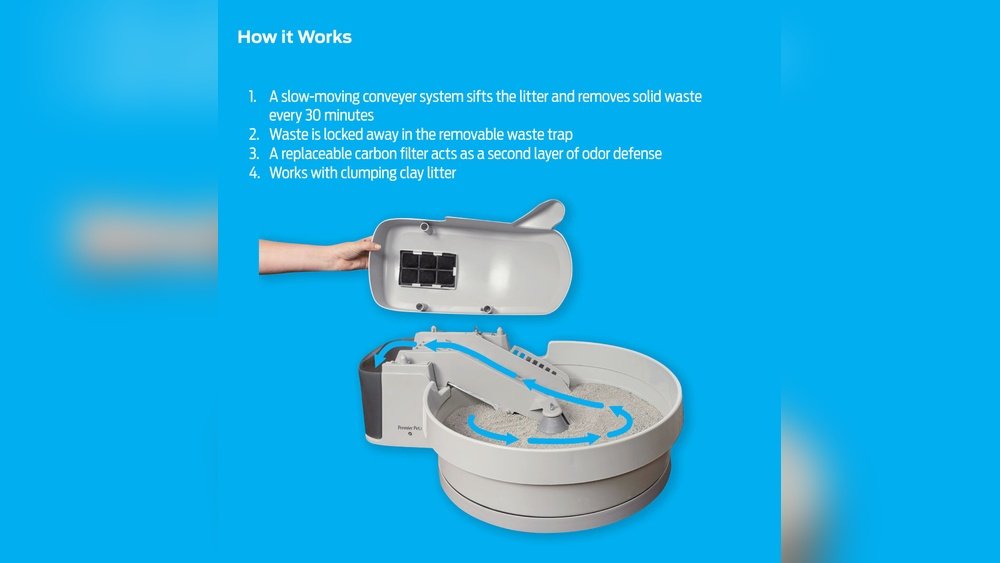
How Do Automatic Litter Boxes Work
For many cat owners, cleaning the litter box is the least enjoyable part of pet care. The mess, smell, and time involved can make it a daily chore people dread. This is where automatic litter boxes come in. These smart devices promise a cleaner, fresher home and more free time for you. But how do these high-tech boxes actually work? What technology do they use? And are they really worth the investment? Let’s take a deep dive into the world of automatic litter boxes, break down their mechanisms, explore their benefits, and reveal what every cat owner should know before switching from a regular litter box.
What Is An Automatic Litter Box?
An automatic litter box is a self-cleaning device designed to handle cat waste with minimal human effort. Instead of scooping by hand every day, the machine uses sensors and cleaning mechanisms to separate waste from clean litter. The waste is then moved into a sealed compartment, controlling odors and keeping the box clean for your cat.
Automatic litter boxes are not all the same. Some use rakes, others rotate, and a few even use conveyor belts. Most models are powered by electricity and have sensors to detect when your cat enters and exits. The main goal is to automate the dirtiest part of cat ownership—scooping and disposing of waste.
The Basic Working Principles
Despite different designs, most automatic litter boxes follow the same basic steps:
- Detection: Sensors notice when your cat has used the box and left.
- Delay: The system waits a few minutes to let waste clump and to make sure your cat is gone.
- Separation: A cleaning mechanism (such as a rake or rotating drum) sifts or moves the waste away from the clean litter.
- Disposal: The waste is dropped or pushed into a sealed compartment or bag.
- Reset: The box returns to its normal state, ready for the next use.
These steps seem simple, but there’s a lot of technology working behind the scenes. Let’s break down each part in detail.

Credit: www.youtube.com
Sensing When The Cat Enters And Leaves
The first job of an automatic litter box is to know when your cat is inside. For safety and accuracy, companies use various sensors:
- Infrared sensors: Detect your cat’s body heat or movement.
- Weight sensors: Notice a change in weight when your cat steps on the box.
- Motion sensors: Pick up movement inside the box.
Sensors must be sensitive enough to notice even light cats but not so sensitive that they trigger a cleaning cycle for every vibration or nearby movement. After your cat leaves, the system waits—usually between 5 and 20 minutes—before starting the cleaning cycle.
This delay lets clumping litter harden and ensures your cat is safe.
One non-obvious insight: Some models can get confused if you have multiple cats with very different weights, leading to missed cleanings or false triggers. If you have more than one cat, check if your chosen box is designed for multi-cat households.
How Waste Is Separated From Clean Litter
Once the system knows it’s safe, it begins the cleaning process. There are three main types of cleaning mechanisms:
1. Rake Systems
These use a metal or plastic rake that moves through the litter, pushing solid waste and clumps into a waste compartment. The rake moves slowly to avoid scattering litter.
Pros:
- Simple mechanism
- Fewer moving parts
Cons:
- Rake can get clogged if waste is too soft
- Some cats dislike the look or sound
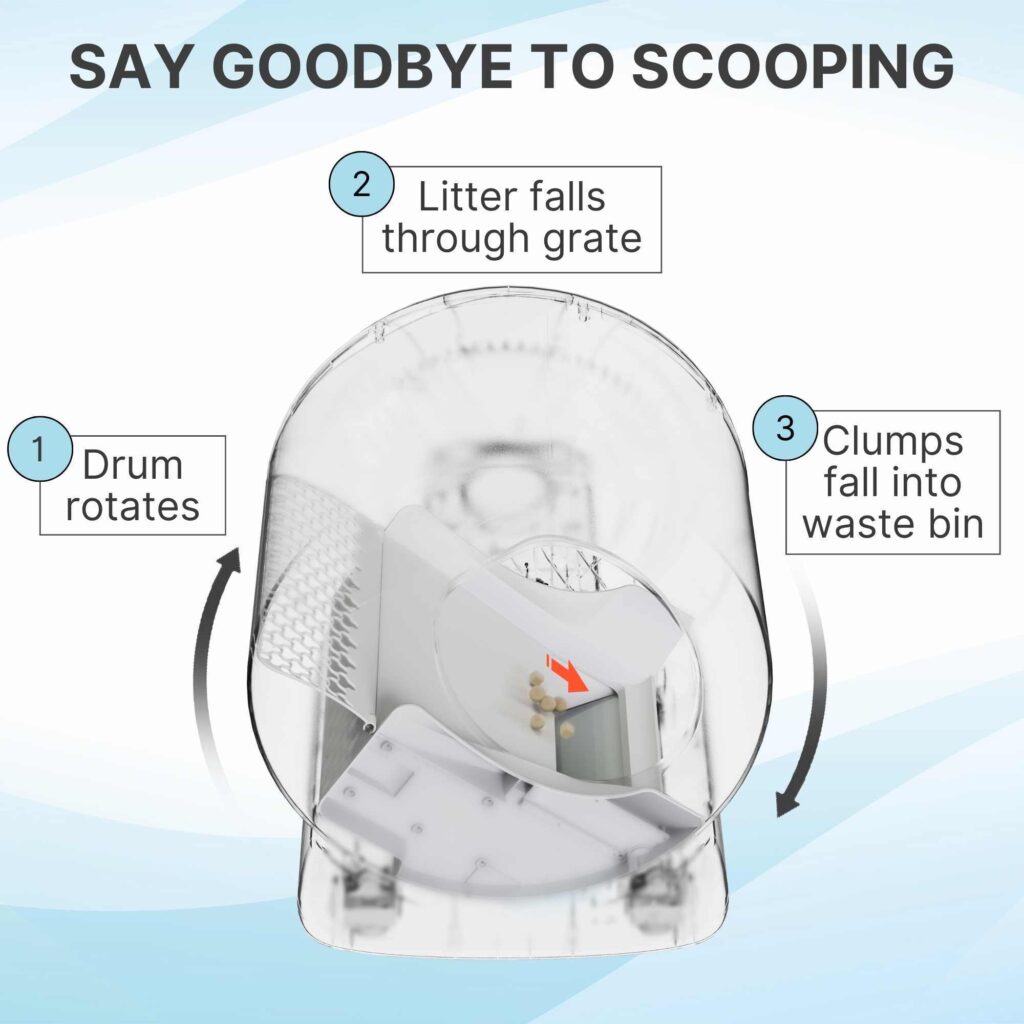
2. Rotating Drum Or Globe
A round chamber slowly spins, sifting the litter as it rotates. Clean litter falls through a screen, while clumps slide into a waste drawer.
Pros:
- Very thorough cleaning
- Good odor control
Cons:
- Moving parts can wear out over time
- Needs more space
3. Conveyor Belt Or Sifting Tray
A conveyor moves clumps out, or the tray itself sifts and lifts waste into a container.
Pros:
- Fast cleaning cycle
- Easy to see if it’s working
Cons:
- Mechanism can jam with large clumps
- Sometimes noisy
Here is a simple comparison of these cleaning types:
| Cleaning Mechanism | Key Features | Best For | Possible Drawbacks |
|---|---|---|---|
| Rake System | Moves rake through litter to collect waste | 1-2 cats, basic use | Can clog, some cats dislike it |
| Rotating Drum | Spins to separate clumps | Multi-cat homes, odor control | Bulky, moving parts may wear |
| Conveyor/Sifting | Lifts clumps with a belt or tray | Quick cleaning, visual feedback | Jams with big clumps, can be noisy |
Waste Collection And Odor Control
A big advantage of automatic litter boxes is better odor control. After waste is removed from the main litter area, it goes into a sealed compartment or bag. Many models use carbon filters or special liners to trap smells.
Some premium models have extra odor-fighting features, like:
- UV sterilization: Uses ultraviolet light to kill bacteria and reduce smells.
- Deodorizing sprays: Sprays a small amount of odor neutralizer after each cycle.
- Double-sealed waste bins: Two layers of protection to keep smells inside.
A non-obvious insight: If you don’t empty the waste bin often enough, even the best odor control will fail. Most automatic boxes still need you to empty the compartment every 2–7 days, depending on how many cats you have.
Types Of Litter And Compatibility
Not all litter works with every automatic box. Most require clumping litter, so the cleaning mechanism can separate solid clumps from clean litter. Here are the main types:
- Clumping clay litter: Most common, works in almost all models.
- Silica gel crystals: Used in some special machines; absorbs moisture and controls odor.
- Natural or biodegradable litter: Some boxes accept these, but check the manufacturer’s advice.
- Non-clumping litter: Usually not compatible.
A mistake many buyers make: Using the wrong litter can cause jams, missed cleanings, or damage to the machine. Always use the brand or type recommended by your box’s maker.
Power Source And Safety Features
Automatic litter boxes usually run on electricity. Some have backup batteries in case of a power cut. Safety is a top concern, so most boxes have:
- Manual cleaning lock: Prevents cleaning while the cat is inside.
- Sensor-based delay: Ensures the box doesn’t start until your cat is gone.
- Emergency stop: Lets you stop the cleaning cycle at any time.
Some models also have child locks or pet-proof controls to keep curious cats or children from starting a cleaning cycle by accident.
Controls, Apps, And Smart Features
Newer automatic litter boxes come with digital controls, screens, or even smartphone apps. Here’s what you might find:
- Cycle timing: Set or adjust cleaning delay after each use.
- Usage tracking: Logs how often your cat uses the box (helpful for spotting health issues).
- Full bin alerts: Notifies you when the waste compartment needs emptying.
- Remote control: Start a cycle from your phone.
- Health monitoring: Some advanced models track weight, urination frequency, or other health signs.
One example: The Litter-Robot 4 has Wi-Fi and an app that gives you daily updates on your cat’s habits and alerts when the drawer is full.
Credit: www.therefinedfeline.com
Cleaning And Maintenance Requirements
Even the best automatic litter box is not 100% hands-off. You still need to:
- Empty the waste bin: Every few days or as needed.
- Add fresh litter: Top up to keep the right level.
- Deep clean the box: Once a month, take apart and wash or wipe down surfaces.
- Check sensors and moving parts: Remove hair, dust, or litter that could block the mechanism.
Neglecting maintenance can cause jams or sensor errors. Some boxes have reminders, but it’s a good habit to make a cleaning schedule.
Advantages Of Automatic Litter Boxes
Switching to an automatic litter box has clear benefits:
- Less scooping: Most manual work is gone.
- Better odor control: Waste is sealed quickly, reducing smells.
- Cleaner environment: Litter stays fresher, cats are happier.
- Time savings: More free time for you.
- Health alerts: Some models spot changes in your cat’s habits.
Automatic boxes are especially useful if you travel or work long hours, or if you have limited mobility.
Possible Downsides And Limitations
However, automatic litter boxes are not perfect:
- Higher cost: Most models cost $150–$700, plus supplies.
- Noise: Motors and rakes can be loud, which may scare some cats.
- Learning curve: Not all cats like new things; some need slow introduction.
- Parts can break: Moving parts wear out over time, sometimes needing repair.
- Litter compatibility: Must use the right type and amount of litter.
Another important insight: If you have a very young kitten, most makers recommend waiting until your cat is at least 5–6 months old before switching to an automatic box. Young kittens are too light for many sensors, and they may not understand the moving parts.
Comparing Automatic And Manual Litter Boxes
Here’s a side-by-side look at how automatic and manual boxes stack up:
| Feature | Automatic Litter Box | Manual Litter Box |
|---|---|---|
| Cleaning Effort | Minimal, mostly emptying bin | Daily scooping required |
| Odor Control | Excellent, sealed bins | Fair to good, depends on cleaning |
| Cost | High initial cost | Low initial cost |
| Maintenance | Monthly deep clean, monitor sensors | Simple washing and refilling |
| Cat Adjustment | May need slow introduction | Instant, familiar |
Tips For Choosing The Right Automatic Litter Box
Choosing the right model depends on your needs, your cat’s personality, and your budget. Consider these factors:
- Number of cats: Some boxes are better for multi-cat homes.
- Litter type: Make sure your preferred litter is compatible.
- Size and space: Drum models need more room.
- Noise level: If your cat is nervous, look for quieter options.
- Smart features: Do you want app control or health tracking?
- Maintenance: Check how easy it is to clean and replace parts.
- Warranty and support: Good customer service is important if things go wrong.
Don’t forget to check online reviews and real user experiences. Sites like Consumer Reports can help you compare models and spot common problems.
How To Introduce Your Cat To An Automatic Litter Box
Switching from a manual to an automatic box can confuse some cats. Here’s how to make the transition smoother:
- Place the new box next to the old one: Let your cat explore both.
- Don’t turn on the automatic cycle at first: Let your cat use the new box as a regular litter box for a few days.
- Use the same litter brand: Familiar smells help.
- Reward with treats: Praise your cat for using the new box.
- Slowly activate the cleaning cycle: Start when your cat is not in the room, so they get used to the sound.
- Be patient: Some cats adjust in a day, others take a week or more.
If your cat is very fearful, go even slower. Never force your cat into the new box.
Common Issues And Troubleshooting
Even the best machines can have problems. Here are frequent issues and simple fixes:
- Jammed mechanism: Too much waste or wrong litter type. Clean and remove blockage, use recommended litter.
- Sensor errors: Dust or litter can block sensors. Gently clean with a dry cloth.
- Bad smells: Waste bin full or filters old. Empty bin, replace filters.
- Cat not using the box: Box is too noisy, or smells different. Try a quieter model or let the litter air out.
A non-obvious tip: If your cat stops using the box suddenly, check for health problems. Sometimes it’s not the box—it’s your cat’s way of asking for help.
Environmental Impact And Sustainability
Automatic litter boxes use more energy and often require special bags or filters, which can create more waste. However, some companies are working on eco-friendly solutions, like:
- Biodegradable waste bags
- Low-energy motors
- Recycled plastic parts
To be more sustainable, use earth-friendly litter and recycle parts when possible. Some boxes even have energy-saving modes.
Costs: Initial And Ongoing
Buying an automatic litter box is an investment. Here’s what to expect:
- Initial cost: $150–$700 (depends on brand and features)
- Litter: Similar to manual boxes, but must use compatible types
- Waste bags/liners: $5–$15 per month
- Replacement parts: Sensors, rakes, or filters may need replacing every 6–18 months
Over several years, the cost adds up, but many owners find the time saved is worth it.
Notable Brands And Models
Some well-known automatic litter box brands include:
- Litter-Robot: Known for rotating drum design and app features.
- PetSafe ScoopFree: Uses disposable trays and crystal litter.
- CatGenie: Washes and dries reusable granules.
- ChillX AutoEgg: Compact, quiet, and good for small spaces.
- Leo’s Loo Too: Modern look, quiet, and app-connected.
Each model has pros and cons, so research carefully before choosing.
What Beginners Often Miss
Many first-time buyers expect automatic litter boxes to be completely hands-off. In reality:
- You still need to empty the waste bin, top up litter, and deep clean the box.
- Cats may need time to adjust. Some never accept the new box.
- Litter compatibility is critical. Using the wrong type can ruin the machine.
If you’re prepared for these realities, you’ll be much happier with your purchase.
The Future Of Automatic Litter Boxes
The market for automatic litter boxes is growing quickly. New features on the horizon include:
- Advanced health monitoring: Tracking weight, urine output, and early illness signs.
- AI-powered cleaning: Smarter sensors that adapt to your cat’s habits.
- Voice controls: Integration with smart home systems.
- Self-refilling litter systems: Even less manual work.
As technology improves, automatic litter boxes will likely become even more reliable, efficient, and cat-friendly.
Credit: neakasa.com
Frequently Asked Questions
What Happens If My Cat Is Inside When The Cleaning Cycle Starts?
Most automatic litter boxes have safety sensors that stop the cleaning cycle if your cat is inside or re-enters during cleaning. If these sensors fail, the machine should have an emergency stop or manual override. It’s rare, but always check your box’s safety features before use.
Can Kittens Or Very Small Cats Use Automatic Litter Boxes?
Most boxes work best for cats weighing at least 5 lbs (2. 3 kg). Very young kittens or tiny breeds may not trigger the sensors reliably. Wait until your kitten is older, or choose a model designed for small cats.
How Often Do I Need To Empty The Waste Bin?
This depends on the number of cats and the size of the bin. For one cat, you might empty it every 5–7 days. For two or more cats, every 2–4 days is common. Some boxes send an alert or show a full-bin indicator.
What If My Cat Is Afraid Of The Noise?
Start by using the box with the power off for a few days. Once your cat is comfortable, turn on the cleaning cycle when your cat is out of the room. Some models are quieter than others, so check reviews and specs for noise levels.
Do Automatic Litter Boxes Really Reduce Odor?
Yes, most models reduce odor by sealing waste quickly in a closed bin. However, if you don’t empty the bin or replace the filters regularly, smells can build up. Good maintenance is key for best results.
Automatic litter boxes have changed the way people care for their cats. While they are not perfect or fully automatic, they make life cleaner and more convenient for both cats and owners. If you understand how they work and what to expect, you can find a model that fits your home and keeps your cat happy.