Dogs are some of our closest companions, bringing joy and comfort to millions of homes around the world. But alongside wagging tails and friendly licks, there’s one problem that troubles pet owners everywhere: fleas. These tiny insects may seem harmless at first, but they can lead to itching, discomfort, and even serious health issues for your dog. Understanding how dogs get fleas—and what you can do to prevent or treat an infestation—is essential for every responsible pet owner.
Fleas are not only a nuisance. They are survivors, skilled at finding hosts and spreading quickly. Many dog owners are surprised to learn that even clean, well-cared-for pets can pick up fleas without warning. The truth is, fleas are everywhere: in parks, in your yard, at the vet, and sometimes even inside your home. If you want to keep your dog healthy and comfortable, you must know how fleas find their way onto your pet and what steps you can take to stop them.
This article explains how dogs get fleas, the life cycle of fleas, common sources of infestation, signs to watch for, and practical steps to protect your dog. You’ll also find answers to common questions and helpful data to make informed decisions about flea control.
Let’s dive in and ensure your dog stays happy, healthy, and flea-free.
Understanding Fleas: What Every Dog Owner Should Know
Fleas are tiny, wingless insects that feed on the blood of mammals and birds. The most common type that affects dogs is the cat flea (*Ctenocephalides felis*), despite its name. These parasites are fast-moving, hard to spot, and reproduce quickly. A single female flea can lay up to 50 eggs per day, making infestations escalate rapidly if not controlled.
Fleas have a flexible life cycle, which means they can survive in many environments. They are highly adaptable and can live indoors or outdoors, thriving in warm, humid conditions. Fleas are not picky; they will jump onto any animal they find, including dogs, cats, and sometimes even humans.
One important insight is that adult fleas you see on your dog are just the tip of the iceberg. Most of the flea population—eggs, larvae, and pupae—are hidden in your dog’s environment, such as bedding, carpets, or the backyard.
The Flea Life Cycle: Why It Matters
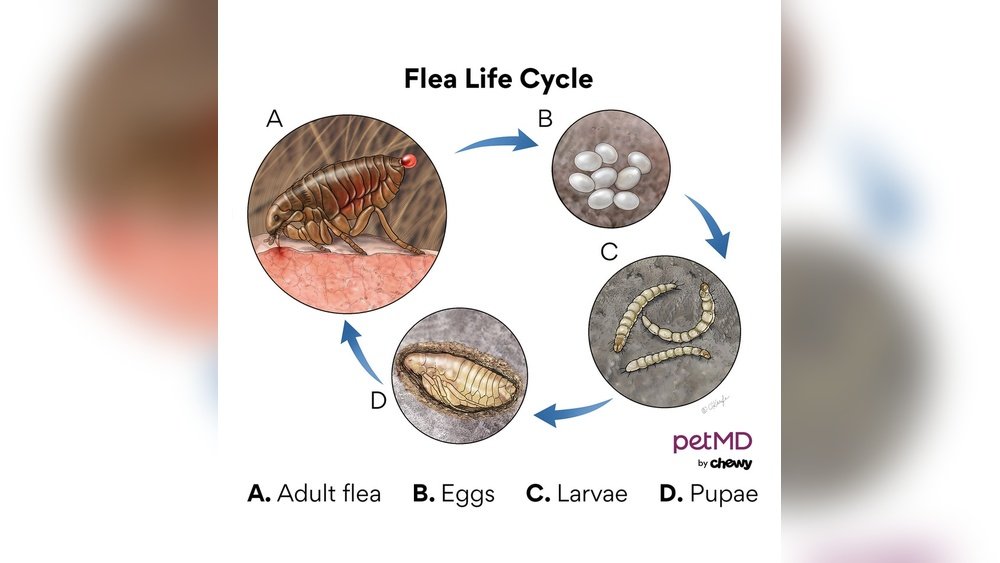
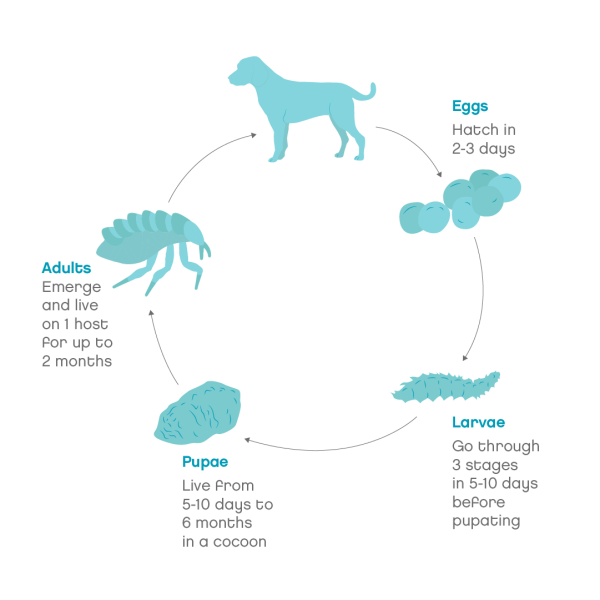
To stop fleas, you need to understand their life cycle. Fleas go through four main stages: egg, larva, pupa, and adult. Each stage plays a role in how infestations happen and why they are hard to control.
Egg Stage
After feeding on your dog, a female flea lays eggs on the skin. These eggs are smooth and fall off into the environment, especially where your dog sleeps or spends time. Eggs hatch in about 2 to 12 days, depending on temperature and humidity.
Larva Stage
Flea larvae are tiny, worm-like creatures that avoid light. They feed on organic debris, including adult flea droppings (which contain dried blood). Larvae live deep in carpets, soil, or cracks in flooring. This stage lasts 5 to 20 days.
Pupa Stage
Larvae spin cocoons and develop into pupae. Pupae are protected by sticky silk, making them hard to remove with regular cleaning. They can stay dormant for weeks or even months, waiting for the right conditions—heat, movement, or carbon dioxide—to hatch as adults.
Adult Stage
When conditions are right, adults emerge from the cocoon and seek a host—like your dog—to feed on. Once on the host, they start the cycle again by feeding and laying eggs.
| Flea Stage | Duration | Where Found | Main Activity |
|---|---|---|---|
| Egg | 2-12 days | Pet bedding, carpets, soil | Waiting to hatch |
| Larva | 5-20 days | Dark, moist areas | Feeding on debris |
| Pupa | 7-150 days | Cocoon in environment | Developing into adult |
| Adult | Up to 100 days | On host animal | Feeding, laying eggs |
It’s important to note that up to 95% of the flea population is in the egg, larva, or pupa stages in the environment—not on your dog. This is why treating only the pet is rarely enough.
Credit: www.joiipetcare.com
How Do Dogs Get Fleas? Main Sources Explained
Dogs can pick up fleas from many places. Some owners believe that only stray or outdoor dogs get fleas, but this is not true. Even indoor dogs are at risk. Here are the most common ways dogs get fleas:
1. Contact With Other Animals
Dogs often get fleas from direct contact with infested animals. This can happen at:
- Dog parks
- Kennels or boarding facilities
- Groomers
- Playdates with other pets
Even a quick sniff or play session can be enough for a flea to jump onto your dog.
2. Infested Environments
Fleas can live in many environments. Common hotspots include:
- Yards or gardens (especially shaded, moist areas)
- Dog beds, blankets, and rugs
- Public places (parks, sidewalks, pet-friendly stores)
- Beaches or hiking trails
Fleas wait for a passing animal and jump on when they sense heat or movement.
3. Wildlife Visitors
Wild animals like raccoons, opossums, squirrels, and feral cats often carry fleas. If these animals visit your yard, they can drop flea eggs, which later hatch and infest your dog.
4. Inside Your Home
Fleas can hitch a ride inside on clothing, shoes, or bags. Visitors or family members who have been around infested animals can bring fleas into your home without realizing it. Once inside, fleas lay eggs in carpets, furniture, or bedding.
5. Puppies And Littermates
Fleas can spread quickly among puppies in a litter. If one puppy has fleas, others will soon have them too. This is common in breeding facilities, shelters, or rescue organizations.
6. Visits To The Vet Or Pet Stores
Places where many animals gather, such as veterinary clinics or pet stores, can be hotspots for fleas. Even a short visit can expose your dog to fleas waiting in the environment.
7. Boarding Or Daycare
Dogs in boarding kennels or daycare centers are more likely to get fleas due to close contact with other animals and shared bedding or play areas.
8. Grooming Sessions
While most groomers maintain clean facilities, there is always a risk of exposure, especially if an infested dog has visited recently.
9. Rodents In The Home
Mice and rats can carry fleas into your house. If you have a rodent problem, your dog is at risk of picking up fleas from these uninvited guests.
10. Vacation Or Travel
If you travel with your dog, they may be exposed to fleas in new locations—hotels, pet-friendly rentals, or outdoor spaces. Even a short trip can be enough.
11. Neighbors’ Pets
If your neighbors’ pets have fleas and come into your yard or mix with your dog, the infestation can easily spread across fences and property lines.
12. Previous Infestations
Flea eggs and pupae can survive in your home for months. If you had a flea problem before and did not treat the environment well, new fleas can emerge and infest your dog again—even if you haven’t seen fleas for a while.
Why Some Dogs Get Fleas More Than Others
Not all dogs get fleas equally. Several factors can make a dog more likely to pick up fleas:
- Outdoor activity: Dogs that spend more time outside are at higher risk.
- Thicker or longer fur: Fleas prefer dense fur, which gives them protection.
- Weaker immune system: Sick or older dogs may attract more fleas.
- Location and climate: Warm, humid regions have more fleas year-round.
- Multi-pet households: More animals mean more chances for fleas to spread.
A non-obvious insight is that some dogs produce more heat or carbon dioxide, which attracts fleas. Also, dogs with allergies or skin problems may scratch more, making it easier for fleas to bite and feed.
Credit: www.osons-a-stmalo.com
Signs Your Dog Has Fleas
Catching fleas early is important for your dog’s health. Here are common signs to watch for:
- Frequent scratching or biting at the skin
- Red, irritated skin or hot spots
- Hair loss, especially on the base of the tail or back legs
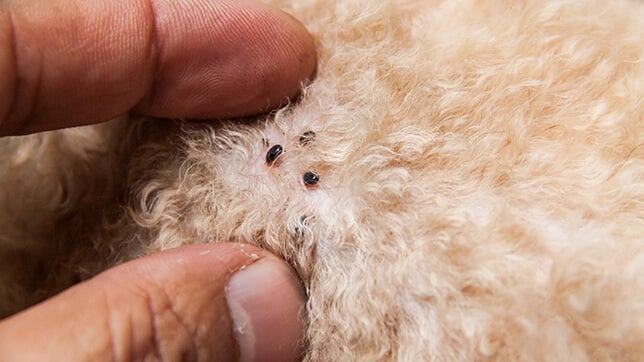
- Flea dirt (small black specks) in the fur—these are flea droppings
- Visible fleas moving in the coat (often seen on the belly or behind ears)
- Restlessness or trouble sleeping
- Scabs or sores from scratching
Sometimes, dogs show no signs at all, especially at the early stage. That’s why regular checks are important.
How Fleas Affect Your Dog’s Health
Fleas are not just annoying—they can cause health problems, some of them serious. Here’s what you need to know:
Flea Allergy Dermatitis
Some dogs are allergic to flea saliva. Even a single flea bite can cause intense itching, redness, and swelling. This condition is called flea allergy dermatitis and often leads to severe skin problems if not treated.
Anemia
Puppies, small dogs, or sick animals can lose enough blood from flea bites to develop anemia. Signs include pale gums, weakness, and fatigue. In extreme cases, anemia can be life-threatening.
Tapeworms
Fleas sometimes carry tapeworm larvae. If your dog eats a flea while grooming, they can get tapeworms, which live in the intestines and cause digestive problems.
Secondary Infections
Scratching and biting at flea bites can break the skin, leading to bacterial infections. These may need antibiotics to heal properly.
Transmission Of Disease
Fleas can carry other diseases, such as Bartonella (also called cat scratch disease), which can affect both pets and humans. While rare, these risks are real.

Credit: www.pineridgepetclinic.com
Fleas And The Home Environment
Most owners focus on their dog, but the real battle is in the environment. Flea eggs, larvae, and pupae hide in:
- Carpets and rugs
- Pet bedding
- Cracks in floors or furniture
- Under cushions
- In your yard, especially shaded areas
Fleas can survive for months without a host. That’s why infestations often return, even after you treat your dog.
Why Flea Infestations Keep Coming Back
You may wonder why fleas keep coming back, even after using treatments. The answer lies in the flea’s life cycle and survival skills:
- Pupae are resistant: The cocoon stage is very tough. Most chemicals can’t reach pupae, so new fleas hatch after treatment.
- Eggs hatch later: Eggs in the environment hatch days or weeks after the adults are killed.
- Missed hiding spots: Fleas hide deep in carpets, cracks, or outside, where sprays and cleaners may not reach.
- Reinfestation from outside: New fleas can come from wildlife, neighbors’ pets, or outdoor areas.
This is why a complete approach—treating both your pet and the environment—is essential.
Comparing Flea Risks: Indoor Vs. Outdoor Dogs
It’s a common belief that only outdoor dogs get fleas. In reality, both indoor and outdoor dogs are at risk, but the risk level varies.
| Factor | Indoor Dogs | Outdoor Dogs |
|---|---|---|
| Chance of Flea Exposure | Moderate | High |
| Common Sources | Visitors, other pets, infested objects | Wildlife, other dogs, soil, grass |
| Protection Needed | Year-round, but especially spring/summer | Year-round, with extra care in warm climates |
| Infestation Signs | Often slower, but harder to notice | Usually faster and more obvious |
Even if your dog never leaves the house, fleas can still find a way inside.
How To Check Your Dog For Fleas
Checking your dog regularly helps catch fleas early. Here’s a step-by-step approach:
- Choose a bright area with good lighting.
- Use a fine-toothed flea comb and start at the base of the tail, moving forward.
- Check behind the ears, under the neck, and on the belly—fleas love warm spots.
- Look for small, fast-moving insects or black specks (flea dirt).
- Wipe the comb on a white paper towel. Add a drop of water. If the black specks turn red, it’s digested blood—proof of fleas.
If you find fleas or flea dirt, it’s time to act fast.
How To Prevent Fleas On Your Dog
Prevention is the best defense. Here’s what works:
1. Regular Flea Prevention Products
Use vet-approved products such as:
- Topical treatments (applied to the skin)
- Oral medications (chewable or pills)
- Flea collars (long-lasting protection)
These products kill fleas before they can lay eggs. Talk to your vet for the best choice for your dog.
2. Keep Your Home Clean
Vacuum carpets, rugs, and furniture weekly. Wash pet bedding in hot water. Pay special attention to dark, hidden areas where fleas hide.
3. Treat Your Yard
Keep grass short, remove debris, and limit wildlife access. Fleas love moist, shaded spots.
4. Limit Contact With Unknown Animals
Be careful at parks, kennels, or when other pets visit your home. Check your dog after outings.
5. Check And Treat All Pets
If you have more than one pet, treat all of them—even if only one shows symptoms. This stops the flea cycle.
6. Use Environmental Sprays
In case of infestation, use sprays or powders designed for home use. Focus on carpets, cracks, and pet sleeping areas.
7. Work With Your Vet
Your veterinarian can recommend safe, effective products. They may also suggest testing for allergies or infections if your dog has severe reactions.
Treating A Flea Infestation: What Works
If your dog already has fleas, quick action is needed. Here’s what to do:
Step 1: Treat The Dog
- Use a fast-acting flea treatment from your vet.
- Bathe your dog with flea shampoo if needed (but not too often, as it can dry the skin).
- Use a flea comb daily to remove fleas and eggs.
Step 2: Treat The Environment
- Vacuum every day for at least two weeks. Dispose of the vacuum bag outside.
- Wash all pet bedding, blankets, and toys in hot water.
- Use a home-approved spray for carpets, cracks, and furniture.
Step 3: Prevent Reinfestation
- Keep all pets on flea prevention for at least three months.
- Repeat environmental cleaning, as eggs and pupae can survive for weeks.
- Monitor your dog and the home for signs of fleas.
Step 4: Consult Your Vet
If the infestation doesn’t improve, your vet may suggest professional pest control or stronger medications.
A key insight: Many owners forget to treat the environment. This is why infestations return. The cycle must be broken in both the pet and their surroundings.
Common Mistakes Dog Owners Make
Many owners have good intentions but make mistakes that allow fleas to come back. Avoid these errors:
- Stopping treatment too soon: Flea products must be used year-round, not just in summer.
- Treating only the pet: Not cleaning the environment leaves flea eggs and larvae to hatch later.
- Using products incorrectly: Always follow label instructions. Overuse or wrong application can be harmful.
- Relying on home remedies alone: While some home remedies may help, they are not enough to stop an infestation.
- Ignoring other pets: Cats, rabbits, and ferrets can also carry fleas and need treatment.
Fleas And Humans: Can You Get Fleas From Your Dog?
Fleas prefer animal hosts, but they will bite humans, especially if there’s a heavy infestation. Flea bites in humans are usually found on the ankles and lower legs. They cause small, itchy red bumps.
While fleas don’t live on people, they can cause discomfort and, rarely, transmit diseases. Keeping your dog and home flea-free is the best way to protect the whole family.
Fleas In Different Climates And Seasons
Fleas are more common in warm, humid climates, but they can survive year-round indoors, especially with central heating. In cooler areas, flea activity may decrease in winter but usually does not stop.
Some regions have seasonal peaks—spring and summer—while others, like southern U.S. states or tropical countries, have fleas all year. Always use flea prevention, even if you don’t see fleas during winter.
How Fast Can An Infestation Grow?
Flea populations grow quickly. A single female can lay up to 2,000 eggs in her lifetime. If conditions are right, a small problem can become a big one in weeks.
Here’s a quick look at how numbers grow:
| Time After First Flea | Estimated Flea Population |
|---|---|
| 1 week | 100 fleas (eggs, larvae, adults) |
| 1 month | 1,000+ fleas |
| 3 months | Many thousands, infestation level |
This is why fast action matters.
Flea Control: Chemical Vs. Natural Methods
Some owners prefer natural solutions, but these have limits. Here’s a quick comparison:
- Chemical products: Fast, effective, but must be used correctly. Always buy from trusted sources and follow your vet’s advice.
- Natural remedies: May include vinegar, essential oils, or diatomaceous earth. These can help, but rarely solve a serious infestation alone and some can be toxic to pets.
For heavy infestations, chemicals are usually necessary. For prevention or mild cases, natural methods can support other treatments. Always check safety for your dog’s breed and age.
Final Thoughts: Keeping Your Dog Flea-free
Fleas are stubborn pests that can trouble even the cleanest home. Knowing how dogs get fleas is your first defense: they come from other animals, outdoor spaces, visitors, or hidden eggs in your home. The key to control is a complete approach—treat both your dog and their environment, use prevention year-round, and check regularly for signs.
Remember, even indoor dogs and puppies are at risk. Work closely with your veterinarian, follow safe treatment steps, and don’t forget to keep your home clean. Small actions now can save your dog from itching, illness, and discomfort later.
For more in-depth information, you can explore resources like the Wikipedia page on fleas.
Frequently Asked Questions
How Do I Know If My Dog Has Fleas?
Look for signs like frequent scratching, red or irritated skin, and small black specks (flea dirt) in your dog’s fur. You may also see live fleas, especially in warm areas like behind the ears or near the tail.
Can My Indoor Dog Get Fleas?
Yes. Fleas can come into your home on shoes, clothing, other pets, or even through open doors and windows. Indoor dogs are still at risk, especially in homes with carpet or if you have visitors with pets.
How Long Does It Take To Get Rid Of Fleas?
It can take several weeks to fully remove fleas, because eggs and pupae may survive after you treat your dog. Consistent cleaning, treating all pets, and using prevention products are needed to break the life cycle.
Are Flea Treatments Safe For All Dogs?
Most vet-approved flea products are safe when used as directed. Always talk to your veterinarian before starting a new treatment, especially for puppies, pregnant dogs, or dogs with health issues.
What Should I Do If Flea Treatments Are Not Working?
If you keep seeing fleas, you may need to treat the environment more thoroughly, check all pets, or try a different product. Sometimes, professional pest control is needed. Consult your veterinarian for the best advice.
By staying informed and acting quickly, you can protect your dog and your home from the problems fleas cause.