Many dog owners want their pets to live long, healthy lives. We all try to feed good food, give exercise, and offer plenty of love. But sometimes, our dogs still have tummy troubles, allergies, or other health problems. You may have heard about probiotics – the “good bacteria” that can help your dog’s gut and overall health.
But how often should you give your dog probiotics? Is it safe to use daily? Can you give too much? Let’s explore everything you need to know, from science to practical advice, so you can make the best choice for your dog.
What Are Probiotics For Dogs?
Probiotics are live microorganisms (mainly bacteria) that help keep your dog’s digestive system healthy. These “good bacteria” are similar to the ones already living in your dog’s gut. They help break down food, absorb nutrients, and protect against harmful germs.
Most probiotic products for dogs come as powders, chews, capsules, or added to dog food. Common strains include Lactobacillus, Bifidobacterium, and Enterococcus. Each strain can have different effects on digestion and immune health.
For example, Lactobacillus acidophilus is often used to help with diarrhea, while Bifidobacterium animalis supports overall gut balance. Not all products work the same way, so knowing the strains can help you choose better for your dog’s needs.
How Probiotics Work In A Dog’s Body
When your dog eats probiotics, the bacteria travel to the gut. There, they compete with “bad” bacteria for food and space. This keeps the gut in balance, helping prevent diarrhea, constipation, and infections.
The gut is like a busy city. When good bacteria are in control, everything runs smoothly. If bad bacteria take over (maybe after antibiotics or stress), the city gets chaotic. Probiotics act as “good citizens” who keep order and help everything function well.
Probiotics can also boost the immune system. Around 70% of a dog’s immune cells are found in the gut. Healthy gut bacteria help fight off germs, reduce inflammation, and even improve allergies.
Another role of probiotics is to help produce vitamins like B12 and vitamin K. These vitamins are important for your dog’s energy and blood health. Without enough good bacteria, your dog may not get these benefits from their food.
Why Probiotics Matter For Dogs
Dogs often face gut problems from:
- Antibiotics (which kill both good and bad bacteria)
- Sudden diet changes
- Stress (boarding, travel, loud noises)
- Eating something bad outside
- Getting older
Even small things, like a new treat or a change in water, can upset a dog’s gut. This is why many dogs get diarrhea after visiting a new place or eating something different.
Probiotics can help with these issues by restoring balance in the gut. They create a healthier environment, making it harder for harmful germs to take over. For older dogs, probiotics can help slow down the effects of aging on digestion.
Some dogs also have sensitive stomachs because of their breed or genetics. For example, breeds like Bulldogs, German Shepherds, and Yorkies often struggle with gut health. Probiotics can be a gentle way to help these sensitive dogs.
Benefits Of Giving Your Dog Probiotics
Dog probiotics are not just a trend. There is real science behind their benefits. Here are some ways probiotics can help your dog:
- Improved digestion: Probiotics help break down food, making it easier for your dog to get nutrients. A healthy gut means your dog absorbs more vitamins and minerals from their meals, which supports their overall health and energy.
- Better stool quality: Dogs with diarrhea or constipation often see improvement after taking probiotics. Firmer, well-formed stools are a sign of a balanced gut.
- Less gas and bloating: Good bacteria can reduce stomach discomfort and excess gas. This means less “doggy farts” and a happier pup.
- Stronger immunity: Probiotics support immune cells in the gut, helping dogs fight infections. Dogs with a strong immune system get sick less often and recover faster.
- Allergy relief: Some dogs with skin allergies see less itching and redness after probiotic use. Probiotics can calm the immune system and reduce inflammation that causes itchy skin and hot spots.
- Reduced antibiotic side effects: Probiotics can help restore gut balance after antibiotic treatment. Antibiotics can wipe out good bacteria, leading to diarrhea or yeast overgrowth. Probiotics replace the good guys and help your dog feel better faster.
- Healthier coat and skin: Improved digestion means your dog gets more nutrients, leading to a shinier coat. Dogs with poor gut health often have dry, flaky skin or dull fur.
- Fewer yeast infections: Probiotics can slow down the growth of yeast, which causes ear and skin problems. Dogs with floppy ears or skin folds are especially at risk.
- Better mood and behavior: Gut health is linked to brain health. Some dogs seem less anxious when their gut is healthy. The gut and brain “talk” to each other, so a happy gut can mean a happier dog.
Some studies even suggest that probiotics may help with bad breath by reducing harmful bacteria in the mouth and gut. While not a direct cure, it’s a helpful bonus for owners who struggle with doggy breath.
Non-obvious insight: Not all probiotics are the same. A product with only one strain may help less than a multi-strain probiotic. Also, the number of live bacteria (measured in CFUs – colony forming units) matters. Look for products with at least 1 billion CFUs per dose for best results.
Another overlooked benefit: Probiotics can help support dogs with food sensitivities. By improving gut health, they can make it easier for dogs to tolerate new foods or treats without upsetting their stomach.
Types Of Dog Probiotics
When choosing probiotics, you’ll see many types. Here are the most common:
Probiotic Powders
These are easy to mix into food. Powders often contain several strains and a high CFU count. They work well for picky eaters.
Some powders are tasteless, while others have a slight flavor. This makes them flexible for dogs who notice changes in their food. Powders also allow you to adjust the dose easily, which is helpful for small dogs or puppies.
Probiotic Chews
These are flavored, chewable treats. Dogs usually love them. Chews may have lower CFU counts, but are convenient for daily use.
Chews are a great choice for busy owners or dogs who don’t like pills. They often include other helpful ingredients, like fiber or vitamins, but watch for added sugar or artificial flavors.
Capsules
Capsules can be hidden in treats or food. They are good if your dog needs a high dose or specific strains.
If your dog is on a special diet, capsules are less likely to have extra fillers. Some capsules can be opened and sprinkled over food, making them versatile.
Probiotic-infused Dog Food
Some dog foods contain added probiotics. However, many lose potency during storage. Always check labels for CFU counts and strains.
Foods with probiotics are convenient, but not all are created equal. The cooking process can kill live bacteria, so look for foods that guarantee live probiotics at the time of feeding, not just when manufactured.
Natural Probiotics
Plain yogurt, kefir, and fermented vegetables are natural sources. These can help, but may not have enough bacteria or the right strains for dogs.
Yogurt can be a good topper for dogs who aren’t lactose intolerant, but always choose plain, unsweetened versions. Fermented vegetables, like sauerkraut, are less common but can add variety. Still, for targeted gut health, supplements are usually more reliable.
Non-obvious insight: Some “probiotic” dog treats have very low CFU counts, making them more like regular treats. Always read labels to ensure you’re getting a real health benefit.
How Often Should You Give Your Dog Probiotics?
This is the big question. There is no single answer, because it depends on your dog’s health, age, diet, and the probiotic product. But here’s what veterinarians and research suggest:
Daily Use Is Common
Most probiotic products are safe for daily use. Many dogs benefit from a daily dose, especially if they have ongoing gut or allergy issues. Daily probiotics help keep the gut balanced and support steady health.
Dogs with chronic problems, like allergies, IBD (inflammatory bowel disease), or stress, often do best with daily probiotics. This routine supports their immune system and can prevent flare-ups.
Short-term Use For Specific Problems
If your dog has diarrhea, antibiotics, or stress (like boarding), probiotics can be used for 7–14 days. This is often enough to restore balance.
Short-term use is also helpful after a sudden diet change, when dogs are most at risk for upset stomachs.
Occasional Use For Healthy Dogs
Healthy dogs with no gut problems don’t always need probiotics every day. You can use them:
- During stressful times (travel, vet visits)
- After antibiotics
- When switching foods
- If your dog eats something bad outside
This “as-needed” approach works well for dogs with strong digestion. Think of probiotics as a support tool, not a daily requirement for every dog.
Puppies And Senior Dogs
Puppies have immature immune systems and sensitive guts. Seniors often have weaker digestion. Both groups may benefit from daily probiotics.
Puppies often face diarrhea during weaning or after vaccines. Probiotics can help them adjust. Seniors may struggle with constipation, slow digestion, or poor appetite, and probiotics support their aging gut.
Factors That Affect Dosing Frequency
- Product strength: Higher CFU counts may need less frequent dosing.
- Dog size: Larger dogs often need more probiotics.
- Health status: Dogs with health issues may need daily use.
- Veterinary advice: Always follow your vet’s guidance for dosing.
Other factors include the type of probiotic (some last longer in the gut) and your dog’s history. Some dogs recover quickly, while others need ongoing support.
Non-obvious insight: Some dogs only need probiotics for a few weeks at a time. Overusing probiotics can sometimes cause mild side effects (like gas). If your dog is healthy, try using probiotics for 2–4 weeks, then pause and observe.
Another tip: If your dog’s symptoms return after stopping probiotics, it’s safe to restart. Dogs often show clear signs when they need gut support again.

Credit: thepetlabco.com
Signs Your Dog May Need Probiotics
It’s not always easy to know if your dog needs probiotics. Here are some signs to watch for:
- Loose stools or diarrhea
- Constipation
- Frequent gas or bloating
- Bad breath
- Recurring skin or ear infections
- Allergies (itching, redness)
- Low energy or mood changes
- Recent antibiotics or steroids
- Sensitive stomach after eating
Some dogs may also show changes in appetite or start eating grass more often, which can be a sign of stomach discomfort.
If your dog shows these signs, probiotics can help restore balance. But always check with your vet first, especially if symptoms are severe.
Non-obvious insight: Chronic ear infections are often linked to yeast overgrowth in the gut. Probiotics can be part of the solution, not just ear drops.
Choosing The Right Probiotic For Your Dog
Picking the best probiotic can be tricky. Here’s what really matters:
Strain Selection
Look for products with multiple strains. Common helpful strains include:
- Lactobacillus acidophilus
- Bifidobacterium animalis
- Enterococcus faecium
Each strain targets different issues. Multi-strain products are better for overall health.
For example, Bifidobacterium is known for helping with diarrhea, while Lactobacillus supports immunity. If your dog has a specific problem, check if the probiotic contains strains proven to help.
Cfu Count
CFU stands for “colony forming units.” It measures the number of live bacteria per dose. Choose products with 1–10 billion CFUs per dose. Too few may not help. Too many can cause mild stomach upset in sensitive dogs.
Some dogs do better with lower CFU products, especially if they have never taken probiotics before. It’s often better to start low and increase as needed.
Delivery Method
Powders, chews, capsules, and foods all work. Choose what your dog likes and what fits your routine.
If your dog is a picky eater, chews or flavored powders may be best. For dogs with allergies, look for simple capsules without extra ingredients.
Shelf Life And Stability
Some probiotics lose effectiveness if not stored properly. Check expiration dates. Refrigerated products may stay fresher.
Heat, moisture, and air can kill live bacteria. If you live in a hot climate, consider shelf-stable products or keep them in the fridge.
Quality And Certification
Buy from trusted brands. Look for NASC (National Animal Supplement Council) certification. Avoid products with artificial colors or fillers.
Certified products are tested for safety and quality, reducing the risk of contamination or fake claims.
Common buyer mistake: Choosing human probiotics for dogs. Dog-specific products work better, as they contain strains suited for canine guts.
Another mistake: Buying the cheapest product. Low-cost probiotics may not have enough live bacteria, or may not label their strains clearly.

Credit: www.honestpaws.com
Comparing Popular Dog Probiotic Products
Let’s compare three leading products:
| Product | Type | Strains | CFU Count | Recommended Use |
|---|---|---|---|---|
| Purina FortiFlora | Powder | 1 (Enterococcus faecium) | 1 billion | Daily or as needed |
| PetLab Co. Probiotic Chews | Chew | 8 strains | 3 billion | Daily |
| Zesty Paws Probiotic Bites | Chew | 5 strains | 3 billion | Daily |
You can see that chews often have more strains and higher CFU counts. Powders may be easier for dogs with allergies or picky eaters.
Non-obvious insight: Some single-strain products, like FortiFlora, are used by vets for short-term diarrhea, but multi-strain chews are usually better for long-term health.
How To Give Probiotics To Your Dog
Mixing With Food
Most powders and capsules can be mixed into your dog’s regular food. This makes dosing easy and is well tolerated.
Mixing with wet food or a small spoonful of pumpkin can hide the taste. For dry kibble, add a splash of water so the powder sticks.
Giving Chews
Chews are given as treats. Check the label for correct dosage. Too many chews can upset the stomach.
If your dog is on a weight-control diet, count probiotic chews as part of their daily treats to avoid overfeeding.
Using Yogurt Or Kefir
A spoonful of plain, unsweetened yogurt or kefir can provide natural probiotics. Make sure it’s free of artificial sweeteners, especially xylitol, which is toxic to dogs.
Some dogs are lactose intolerant, so start with a small amount and watch for signs of upset stomach. Greek yogurt is higher in protein, but regular plain yogurt is gentler for most dogs.
Timing
Give probiotics with meals for best results. The food helps protect the bacteria as they travel to the gut.
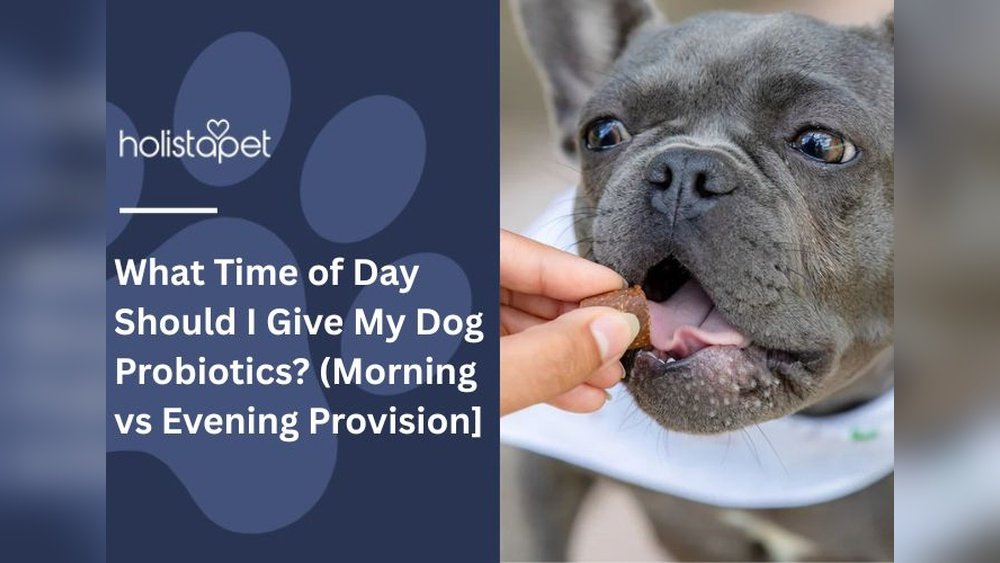
Morning or evening, the key is consistency. Pick a time that fits your routine and stick with it.
Non-obvious tip: If your dog is on antibiotics, give probiotics at least 2 hours apart from the antibiotic dose. This prevents the antibiotic from killing the good bacteria.

Credit: au.mightymunch.com
How Long Does It Take For Probiotics To Work?
Most dogs show improvement in 3–7 days. Diarrhea and gas often resolve quickly. Skin and allergy issues may take 2–4 weeks to improve.
For dogs with chronic problems, it may take a month or more to see full benefits. Every dog is different, so track your dog’s symptoms in a notebook to see changes over time.
If your dog doesn’t improve after 2 weeks, check with your vet. Sometimes, another issue is causing symptoms.
Non-obvious insight: Probiotics can help recovery after stomach upsets, but if your dog gets worse or new symptoms appear, stop and contact your vet. Probiotics are supportive, not a cure for serious illness.
Can You Give Too Much Probiotics?
Probiotics are generally safe, but too much can cause:
- Mild gas or bloating
- Loose stools
- Rare allergic reactions
Start with a low dose and increase slowly. If your dog shows stomach upset, reduce the dose.
Some dogs are more sensitive, especially if they have never taken probiotics before. Watch for any changes and adjust as needed.
Non-obvious insight: Some dogs may not need daily probiotics long-term. Try using for 2–4 weeks, then pause. If symptoms return, restart. This helps avoid overuse.
Another consideration: Dogs with severe immune problems or on chemotherapy should only take probiotics with a vet’s approval, as their immune system is different.
Special Situations: When To Increase Or Decrease Probiotics
After Antibiotics
Antibiotics kill both good and bad bacteria. After antibiotics, increase probiotic use for 1–2 weeks to restore gut balance.
Ask your vet if a higher dose is needed, especially after strong antibiotics.
During Stressful Events
Travel, boarding, moving, or loud events can upset your dog’s stomach. Use probiotics daily during these times.
Start a few days before the event if possible and continue until a few days after to give your dog extra support.
Chronic Health Problems
Dogs with chronic allergies, IBD, or immune problems may need ongoing, daily probiotics.
Work with your vet to pick a product and dose that fits your dog’s condition. Some dogs may need extra prebiotics or special strains.
Healthy Dogs
If your dog is healthy, use probiotics only during stressful times or after antibiotics.
Overuse can lead to mild side effects, so “less is more” for dogs with no health issues.
Non-obvious tip: Dogs with sensitive digestion often do well with a “pulsing” routine – use for a few weeks, take a break, then restart if needed.
Probiotics Vs. Prebiotics
Prebiotics are fibers that feed the good bacteria in the gut. Many probiotic products contain both. Prebiotics help probiotics work better.
Here’s a quick comparison:
| Type | Function | Example |
|---|---|---|
| Probiotic | Live bacteria | Lactobacillus, Bifidobacterium |
| Prebiotic | Feeds bacteria | Inulin, chicory root |
Look for products with both for best results.
Non-obvious insight: Prebiotics can sometimes cause extra gas if your dog is sensitive. Start with a small dose and watch for changes.
Scientific Evidence For Dog Probiotics
Research supports probiotic use in dogs. Studies show:
- Dogs taking probiotics had fewer diarrhea episodes than those without.
- Probiotics helped reduce allergy symptoms in some dogs.
- After antibiotics, probiotics restored gut balance faster.
One study published in the Journal of Veterinary Internal Medicine found that dogs given Enterococcus faecium showed improved stool quality and fewer gut problems.
Research is still growing, but many vets now recommend probiotics for common stomach problems, allergies, and after antibiotics. Some clinics even use probiotics to help dogs recover after surgery or illness, as they can support the immune system and speed up healing.
For more scientific detail, see this research article.
Non-obvious insight: Not all research is positive – some studies show no effect for certain strains or problems. This is why it’s important to use the right product for your dog’s needs.
Probiotic Myths And Misunderstandings
Many owners worry about probiotics or misunderstand their use. Let’s clear up some myths:
Myth 1: More Is Always Better
Giving higher doses does not always give better results. Start with the recommended amount.
Too much can cause loose stools or gas. More is not always best.
Myth 2: Human Probiotics Are Good Enough
Human probiotics do not always match dog gut needs. Use dog-specific products.
Some human strains may not survive in the dog gut, and added flavors or sweeteners can be risky.
Myth 3: Probiotics Cure All Problems
Probiotics help with gut, allergy, and immune issues. They do not cure all diseases. Always see your vet for serious health concerns.
Serious problems like vomiting, bloody diarrhea, or weight loss need vet care, not just probiotics.
Myth 4: Probiotics Must Be Refrigerated
Some probiotics are shelf-stable. Others require refrigeration. Follow product instructions.
Many newer products use special technology to keep bacteria alive without the fridge.
Myth 5: Probiotics Work Instantly
Most dogs need 3–7 days to see results. Chronic issues may take longer.
Be patient and give the product time to work.
Non-obvious insight: Not all dogs respond the same way. If one product doesn’t work, try a different strain or delivery method.
Practical Tips For Using Dog Probiotics
- Start with a small dose and slowly increase.
- Mix with food to make dosing easy.
- Choose products with multiple strains and high CFU counts.
- Use daily for dogs with health problems; occasional use for healthy dogs.
- Stop use if your dog shows severe stomach upset or allergy.
- Store products as directed to keep bacteria alive.
- Check expiration dates and buy from trusted brands.
Extra tip: Write down the product name, dose, and your dog’s symptoms before and after starting probiotics. This helps you and your vet track what works best.
Real-life Examples: Probiotics In Action
Case 1: Diarrhea After Antibiotics
Bella, a 3-year-old Labrador, had diarrhea after antibiotics. Her vet recommended daily probiotic powder for 10 days. Diarrhea resolved in 4 days.
Bella’s owner also continued probiotics for another week, and Bella had no more tummy problems. Now, Bella gets probiotics every time she takes medication.
Case 2: Itchy Skin And Allergies
Max, a 6-year-old Bulldog, had chronic skin itching. He started probiotic chews with 5 strains. After 3 weeks, itching improved, and his coat looked shinier.
Max’s owner noticed fewer ear infections and less licking at his paws, a common allergy sign. Now Max gets probiotics daily during allergy season.
Case 3: Senior Dog With Gas
Lucy, a 12-year-old Poodle, had frequent gas and loose stools. Her owner gave daily probiotics for seniors. Gas reduced, and stools became firmer after 10 days.
Lucy’s energy improved, and she started playing more with her toys. Her owner uses a “pulse” routine: probiotics for 3 weeks, then a 1-week break.
Case 4: Puppy Digestive Troubles
Charlie, a 4-month-old Beagle, had sensitive stomach from changing foods. Daily probiotic powder helped reduce tummy upset during the transition.
Charlie’s stools became firmer, and he had fewer accidents in the house. His owner plans to use probiotics every time they change food or after vaccines.
Non-obvious insight: In multi-dog households, using probiotics for all dogs during stressful times (like moving or new pets) can prevent problems before they start.
Comparing Probiotic Use In Puppies Vs. Adult Dogs
| Age Group | Common Gut Issues | Recommended Frequency | Notes |
|---|---|---|---|
| Puppies | Diarrhea, sensitive digestion | Daily | Immature immune system |
| Adults | Occasional gut upset | As needed or daily for chronic issues | Stable gut health |
| Seniors | Constipation, weak digestion | Daily | Slower gut function |
Puppies benefit from probiotics during teething, weaning, and after vaccines. Adults may only need them during stress or illness. Seniors often need ongoing support as their digestion slows down.
Non-obvious tip: Pregnant and nursing dogs may benefit from probiotics to support their gut and pass on healthy bacteria to their puppies.
When To Stop Probiotics
If your dog is healthy and shows no gut problems after several weeks, you can pause probiotic use. If symptoms return, restart. For chronic problems, daily use may be best.
Stop probiotics if your dog shows:
- Severe diarrhea
- Vomiting
- Allergic reactions
Always consult your vet if symptoms are severe or last more than 2 days.
Non-obvious insight: Some dogs do best with seasonal probiotic use, like during allergy season or winter when stress is higher.
Safety And Side Effects
Dog probiotics are generally safe. Side effects are rare and mild:
- Gas or bloating
- Loose stools
- Allergic rash (very rare)
If side effects occur, reduce the dose or switch products. Most dogs tolerate probiotics well.
Non-obvious insight: Dogs with immune disorders or on certain medications may need special probiotic advice. Always check with your vet before starting.
Frequently Asked Questions
How Long Should I Give My Dog Probiotics After Antibiotics?
Most dogs benefit from 10–14 days of probiotics after antibiotics. This helps restore gut balance and reduces diarrhea risk. Watch your dog’s symptoms and consult your vet if problems last longer.
Can I Give My Dog Human Probiotics?
It’s better to use dog-specific probiotics. Human products may not contain the right strains for dogs. Dog probiotics are designed for canine gut health.
What Is The Best Time Of Day To Give Probiotics?
Give probiotics with meals. Food helps protect the bacteria as they travel to the gut and improves absorption.
Are Probiotics Safe For Puppies?
Yes, probiotics are safe for puppies. They help with sensitive digestion and support immune development. Start with a small dose and choose puppy-specific products.
How Do I Know If Probiotics Are Working?
Improvement in stool quality, less gas, and better mood are signs probiotics are working. Most dogs show results in 3–7 days. Chronic issues may take longer.
Can I Stop Probiotics If My Dog Is Healthy?
Yes, you can pause probiotics if your dog is healthy and symptom-free. Use them again if problems return or during stress.
Are There Any Dogs Who Should Not Take Probiotics?
Dogs with severe immune problems, cancer, or those taking certain medications should only use probiotics under a vet’s advice.
Final Thoughts
Giving your dog probiotics can be a smart way to support their gut, immunity, and overall health. For most dogs, daily use is safe and effective, especially during stressful times or after antibiotics. Healthy dogs may only need probiotics during diet changes, travel, or illness.
Choose quality products with multiple strains and high CFU counts. Start with the recommended dose and watch your dog’s response. Probiotics are not a cure-all but are a proven tool for many common dog health problems.
Remember, every dog is unique. Always check with your veterinarian before starting or changing supplements. With the right approach, probiotics can help your dog live a happier, healthier life.