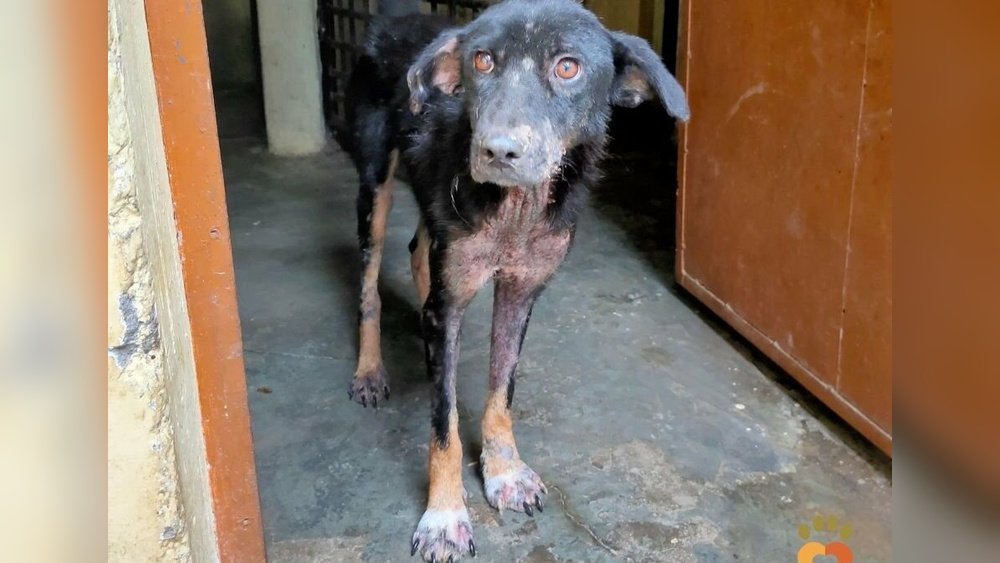
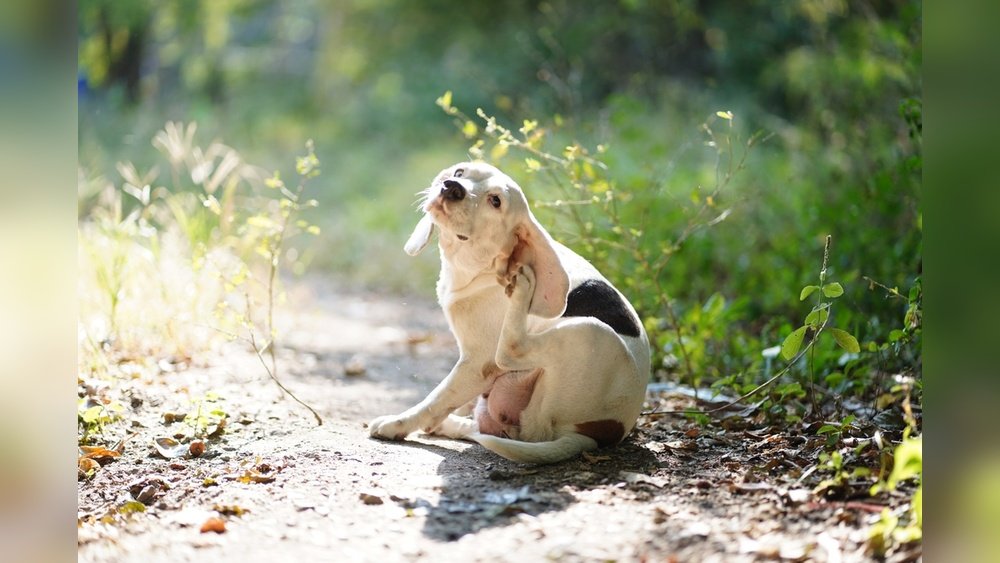
Many dog owners think fleas are a problem only in summer or for dogs that roam outside. But the truth is, fleas can invade your home and your pet any time of year, and even indoor dogs are at risk. Fleas are tiny, but the trouble they cause is big. They make dogs itch, scratch, and bite themselves, sometimes until their skin bleeds. Fleas can even spread diseases and tapeworms. But the good news? With the right steps, you can check your dog for fleas at home and stop a small problem before it gets much worse.
Learning how to check your dog for fleas is not only about keeping your pet comfortable. It’s also important for your family’s health and your home. Early detection means you can act before fleas multiply. Many new dog owners feel nervous about this, but with some guidance, you’ll gain confidence. This article explains everything you need to know: how fleas live, signs you might see, step-by-step checking methods, and what to do if you find fleas. By the end, you’ll be ready to protect your dog and home from these annoying pests.
Why Checking For Fleas Is Essential
Fleas are not just a nuisance; they can cause serious problems. They bite your dog and feed on blood. For some dogs, flea bites cause an allergy that leads to intense itching, hair loss, and infected skin. Puppies, older dogs, or those with health issues can become weak if fleas suck too much blood.
In rare cases, even people in the home can get bites.
A single female flea can lay up to 50 eggs per day. These eggs drop into your dog’s bed, your carpet, and your sofa. In a short time, an infestation can start. Early checks stop fleas from spreading and make treatment simpler.
If you wait too long, you’ll need to clean your whole house and may spend a lot on vet bills.
Understanding The Flea Life Cycle
Knowing the flea’s life cycle helps you understand why regular checks are important. Fleas go through four main stages:
- Egg: After feeding, female fleas lay eggs on your dog. These are tiny and white, almost like grains of salt.
- Larva: Eggs fall off into the environment and hatch into larvae. These worm-like creatures avoid light and hide in carpets or cracks.
- Pupa: Larvae spin a cocoon and become pupae. In this stage, they are hard to kill and can wait for weeks or months before becoming adults.
- Adult: Adult fleas jump onto your dog and start feeding. They look for a host as soon as they emerge.
This means fleas are not just on your dog, but also in your home. Missing eggs or larvae lets the cycle continue. That’s why checking your dog often is key, even if you don’t see adult fleas.
Common Signs Your Dog Has Fleas
Most flea problems start small and grow slowly. Catching them early means you avoid bigger headaches. Here are some things to watch for:
- Frequent scratching or biting: Dogs may chew or lick themselves, especially around the tail, belly, or thighs.
- Red or irritated skin: Flea bites cause redness, bumps, or scabs. Some dogs lose fur in patches.
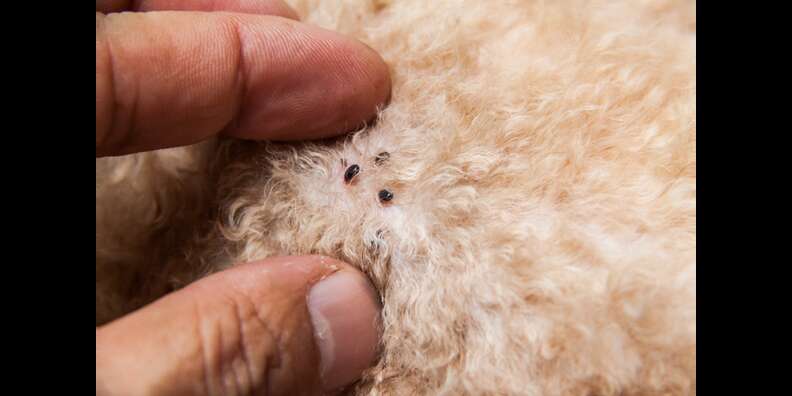
- Black “dirt” in fur: Flea dirt is actually dried blood. You’ll often find it around the base of the tail or neck.
- Restlessness: Dogs with fleas can’t relax. They may seem jumpy or unable to sleep.
- Pale gums: In severe cases, fleas cause blood loss, leading to pale or white gums.
Not all dogs show every sign. Some only have mild itching, while others develop infections. That’s why a hands-on check is best.
Tools And Preparation Before Checking
You don’t need expensive tools to check your dog for fleas, but a few simple items make the job easier:
- Fine-toothed flea comb: These special combs catch fleas and their dirt.
- White towel or sheet: Flea dirt and fleas are easier to spot on a light background.
- Bowl of soapy water: This kills any fleas you catch.
- Good lighting: Sunlight or a strong lamp helps you see small pests.
- Latex gloves (optional): For those who prefer not to touch bugs.
Gather these items before you begin. Choose a calm time when your dog is relaxed. If your dog is nervous, offer treats or ask someone to help hold them gently.
Where To Check: Dog’s Hot Spots For Fleas
Fleas don’t spread evenly across a dog’s body. They prefer warm, hidden places. Focus your search on these areas:
| Body Area | Why Fleas Like It | What to Look For |
|---|---|---|
| Base of tail | Warm and protected by fur | Red skin, flea dirt, live fleas |
| Groin and belly | Thin fur, easy to bite | Reddish bumps, flea dirt |
| Armpits | Moist and dark | Scratching, visible fleas |
| Neck and ears | Fur hides fleas | Scratching, black specks |
| Inner thighs | Easy for fleas to move | Hair loss, scabs |
These spots are where fleas feed, lay eggs, and hide from your dog’s mouth or paws.
Step-by-step: How To Check Your Dog For Fleas
Checking your dog is a careful process. Follow these steps for best results:
1. Set Up Your Area
Lay the white towel on the floor or table. This catches anything that falls off your dog. Make sure your tools are ready.
2. Calm And Secure Your Dog
Sit with your dog or have a friend gently hold them. Stay calm and speak softly. Nervous energy makes dogs squirm.
3. Start With Visual Inspection
Part your dog’s fur with your fingers, especially in the “hot spots.” Look for these clues:
- Small, dark insects: Adult fleas are about 2-3 mm long, brown, and move quickly.
- Flea dirt: Black specks, like pepper.
- Red, irritated skin: Signs of bites or allergies.
Check the towel for anything that falls out.
4. Use The Flea Comb
Run the flea comb slowly through your dog’s fur, close to the skin. After each pass, tap the comb on the white towel. Look for fleas or dirt.
5. Test For Flea Dirt
Not sure if the black specks are flea dirt? Wet a small piece of tissue and press the specks onto it. If they turn reddish-brown, it’s flea dirt (digested blood).
6. Check All Key Areas
Move from one “hot spot” to another: neck, back, belly, base of tail, legs. Be gentle, especially if your dog’s skin is sore.
7. Dispose Of Any Fleas
If you catch fleas, dip the comb into the soapy water. Fleas can jump far, so don’t crush them with your fingers—they may escape.
8. Record What You Find
Take notes or photos if you see fleas or dirt. This helps track problems and share with your vet.
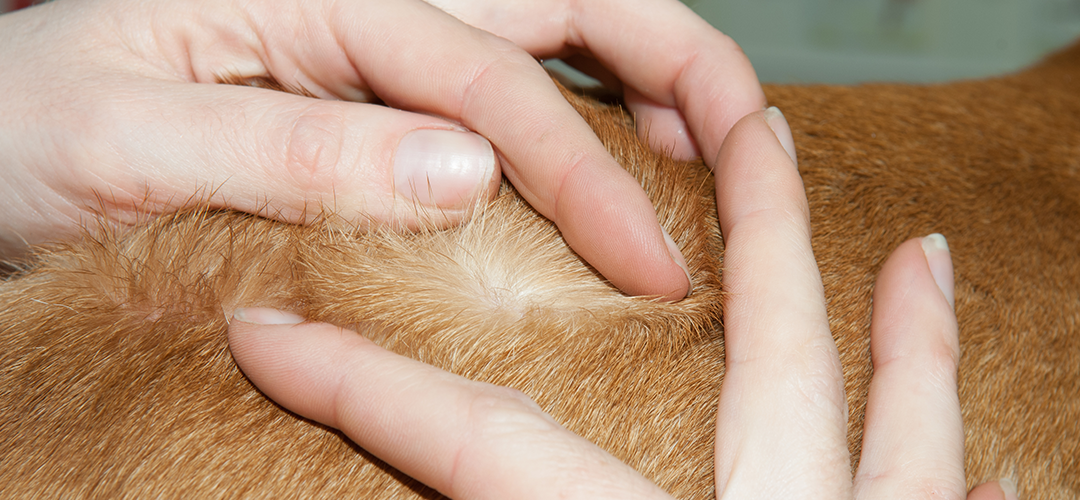
Credit: doggystyling.com
Advanced Methods: When To Use Them
Sometimes, finding fleas is not easy. Long-haired dogs, thick coats, or light infestations are harder to spot. Here are some advanced methods:
Flea Trap
Place a shallow pan with soapy water under a night light near where your dog sleeps. Fleas are attracted to warmth and light at night. They jump toward the light and drown in the water. This works best in dark rooms.
Sticky Pads
You can buy sticky flea pads that catch fleas as they hop. Place them near your dog’s bed or favorite resting spot. These don’t replace checking your dog, but they help detect a bigger problem.
Vacuum Check
Vacuum your dog’s bedding and favorite spots. Check the vacuum filter for fleas or flea dirt. This reveals hidden infestations.
What To Do If You Find Fleas
Discovering fleas is stressful, but don’t panic. Here’s what to do:
- Treat your dog: Use a vet-approved flea treatment. Ask your vet for advice—the wrong product can harm some dogs, especially puppies or old dogs.
- Clean your home: Wash all bedding, rugs, and soft toys in hot water. Vacuum daily for at least 2 weeks, especially under furniture.
- Treat other pets: If you have more animals, check and treat them too.
- Treat your yard: Fleas can live outside. Mow grass, remove debris, and use pet-safe sprays if needed.
Never use flea treatments for cats on dogs, or vice versa. Some products are dangerous if used on the wrong species.
How Often Should You Check For Fleas?
Checking frequency depends on your dog’s risk:
- High risk (outdoor dogs, rural areas, warm climates): Check at least once a week.
- Medium risk (city dogs, dogs who visit parks): Every 2 weeks.
- Low risk (indoor-only dogs in cold climates): Once a month.
Always check after a trip to a new place, a dog park, or if your dog starts scratching more.
How To Tell Fleas From Other Problems
Not every itch means fleas. Other bugs, allergies, or skin infections can look similar. Here’s how to tell them apart:
| Problem | Key Signs | How to Confirm |
|---|---|---|
| Fleas | Black dirt, fast-moving insects, red bites | Find flea dirt; see live fleas |
| Ticks | Large, round bugs attached to skin | Can see and feel them; don’t move quickly |
| Allergies | Red skin, chewing paws, no bugs | No flea dirt; vet may do tests |
| Mites | Hair loss, crusty skin, small white dots | Vet checks with microscope |
If you’re not sure, see your vet. They can help identify the problem.
Preventing Fleas: What Works Best
Prevention is easier than fighting an infestation. Here’s how to keep fleas away:
- Monthly preventives: Many vets recommend a monthly pill, spot-on, or collar. Choose what suits your dog’s age, health, and lifestyle.
- Regular cleaning: Wash bedding weekly and vacuum often.
- Limit exposure: Avoid areas with many stray dogs or wildlife.
- Check after travel: Fleas can hitchhike home from hotels, kennels, or parks.
Some natural remedies (like essential oils) are popular, but many are not proven or can even harm your dog. Always ask your vet before trying new products.
Mistakes To Avoid When Checking For Fleas
Even experienced owners make mistakes. Here’s what to watch out for:
- Only checking the fur’s surface: Fleas hide near the skin. Always part the fur.
- Missing “hot spots”: Focus on the base of the tail, neck, and belly.
- Checking too quickly: Take your time; fleas move fast.
- Stopping after one check: Fleas may be missed. Check regularly, not just once.
- Not checking other pets: Fleas spread easily from pet to pet.
Special Cases: Puppies, Seniors, And Sensitive Dogs
Young puppies, old dogs, or pets with health problems need extra care.
- Puppies: Their skin is delicate. Use a soft brush and avoid harsh chemicals. Most flea treatments are not safe for puppies under 8 weeks old—ask your vet.
- Seniors or sick dogs: They may have thin skin or can’t handle strong treatments. Check gently and use vet-approved products.
- Allergic dogs: Even a few flea bites can cause big reactions. Check more often and treat your home carefully.
When To Call The Vet
Sometimes, checking at home is not enough. Contact your vet if:
- Your dog has severe itching, bleeding, or hair loss
- You see many fleas despite using treatments
- Your dog is very young, old, or sick
- You’re not sure if it’s fleas or another problem
Vets can suggest safe treatments, run tests, and check for infections.
How Fleas Affect Your Home And Family
Fleas don’t just stay on your dog. They can bite people, too. Children are especially at risk for itchy bites, usually on their legs or feet. Flea dirt can stain bedding and carpets. Fleas can also carry tapeworms, which infect pets or even children if swallowed by accident.
If you find fleas on your dog, act quickly to protect everyone in your home. Wash and vacuum often, and follow up with a second check 2 weeks later. In rare cases, you may need a pest control professional.
Common Myths About Fleas
Many owners believe things about fleas that are not true. Here are some common myths:
- “My dog stays indoors, so no fleas.” Fleas ride in on shoes, clothes, or other pets.
- “Fleas die in winter.” Homes are warm all year, so fleas survive inside.
- “You can see all fleas.” Most fleas, eggs, and larvae are hidden in bedding or carpets.
- “Flea collars protect completely.” Some only protect the neck, and not all brands work well.
- “Bathing removes all fleas.” Baths may remove some, but don’t kill eggs or all adults.
Understanding the truth helps you protect your pet better.

Credit: www.wikihow.com
Comparing Flea Detection Methods
Let’s compare the main ways to check for fleas on your dog:
| Method | Speed | Accuracy | Best For |
|---|---|---|---|
| Visual check | Quick | Medium | Short-haired dogs |
| Flea comb | Slower | High | All coat types |
| Flea trap | Overnight | Low-medium | Detecting home infestations |
| Vet exam | Varies | Very high | Unclear cases, severe reactions |
Using more than one method increases your chances of finding fleas early.
Non-obvious Insights For Effective Flea Checks
Many beginners miss these important points:
- Flea dirt is often the first clue: You may not see live fleas, but their dirt shows they’re feeding on your dog.
- Seasonal checks are not enough: Fleas can live in homes all year, especially with central heating.
- Missed areas matter: Checking only the back or head means you might miss fleas on the belly, legs, or tail base.
- Stress changes behavior: Some dogs hide their itching when nervous, so check quietly and kindly.
Credit: www.thedodo.com
Building A Routine: Long-term Flea Control
Making flea checks a habit is the best way to avoid infestations. Here’s a simple routine:
- Choose a regular day: For example, every Sunday after your dog’s walk.
- Combine with grooming: Check for fleas while brushing your dog.
- Keep a record: Write down what you find, so you spot changes early.
- Reward your dog: Give treats or playtime after each check, so it feels positive.
This routine helps you notice problems early and makes your dog feel cared for.
Supporting Your Dog During Flea Checks
Some dogs dislike being checked, especially if they’ve had fleas before. Here’s how to help them feel safe:
- Use gentle hands: Don’t pull or tug fur.
- Speak calmly: Reassuring words help relax your dog.
- Take breaks: If your dog gets anxious, pause and try again later.
- Offer treats: Positive rewards build trust.
If your dog is very nervous, ask your vet or a professional groomer for advice.
Environmental Control: Going Beyond Your Dog
Fleas spend most of their time off your dog—in your home or yard. Here’s how to control them:
- Vacuum daily: Focus on sleeping areas, under furniture, and edges of rooms.
- Wash bedding weekly: Use hot water and dry on high heat.
- Treat carpets and soft furniture: Use pet-safe sprays or powders.
- Outdoor care: Keep grass short and remove piles of leaves or debris.
Remember, flea eggs and larvae are tough. Continue cleaning for at least 2 weeks after you see the last flea.
Flea Control Products: What To Know
There are many products for flea control, but not all are equal. Here’s what to consider:
- Spot-on treatments: Easy to use, last 1 month, but some dogs may react.
- Oral tablets: Fast-acting, some kill adult fleas in hours.
- Flea collars: Some last up to 8 months, but read reviews—older versions may not work well.
- Sprays and powders: Good for home use, but follow safety instructions.
- Shampoos: Kill adult fleas but don’t prevent re-infestation.
Always buy products from trusted sources. Cheap, unapproved versions can be dangerous. For more details on approved products, visit the EPA Flea and Tick Product Page.
The Role Of Your Veterinarian
Vets are your best resource for flea control. They can:
- Suggest safe products for your dog’s age and health
- Check for skin infections or allergies
- Help if your dog reacts badly to flea bites
- Advise on cleaning your home safely
If you struggle to control fleas, ask your vet for a detailed plan.
Frequently Asked Questions
How Do I Know If It’s Flea Dirt Or Just Regular Dirt?
Flea dirt is different from regular dirt. Put the black specks on a wet tissue. If they turn reddish-brown, it’s flea dirt (dried blood). Regular dirt stays black or gray.
Can Fleas Live On Humans?
Fleas prefer dogs and cats, but they can bite people. They usually don’t live on humans, but may cause itchy red bumps, mostly on ankles or legs.
Do I Need To Treat My House If I Find One Flea?
Yes. One flea means there are likely eggs and larvae in your home. Wash bedding, vacuum well, and continue checking your dog.
Are Natural Flea Treatments Safe?
Some natural remedies are safe, but many are not proven to work, and some (like essential oils) can poison dogs. Always ask your vet before trying home treatments.
How Long Does It Take To Get Rid Of Fleas?
With good treatment, you may see fewer fleas in days, but it can take 3-4 weeks to break the flea life cycle fully. Keep cleaning your home and treating pets during this time.
Protecting your dog from fleas is a year-round job. With regular checks, smart prevention, and quick action, you can keep your pet happy, healthy, and itch-free. Your dog will thank you, and your home will stay comfortable for everyone.