Taking your dog for a ride in the car can be a joyful experience for both you and your pet. Dogs love to feel the wind on their face, and many owners see their pets as part of the family, bringing them along for trips, errands, or even vacations.
However, dogs can be tough on car interiors. Hair, dirt, drool, and scratch marks can quickly make car seats look old and worn. Accidents and muddy paws add to the struggle, and sometimes the odor lingers long after the trip.
For pet owners who want to keep their vehicle looking clean and fresh, knowing how to protect car seats from dogs is essential.
This guide will help you protect your car seats from all kinds of dog-related messes. You’ll learn about the best products, practical strategies, and what to do if accidents happen. There are also tips you probably haven’t thought about, even if you’ve been driving with dogs for years.
Whether you have a tiny puppy or a large, energetic dog, you’ll find solutions that fit your needs and budget. Let’s make traveling with your dog easier and less stressful—without sacrificing your car’s interior.
Understanding The Risks: How Dogs Damage Car Seats
Before you can protect your car seats, it helps to understand the ways dogs can cause damage. Some problems are obvious, while others are easy to miss until it’s too late.
Scratches And Tears
Many dogs have sharp nails, and even if you keep them trimmed, jumping in and out or shifting during the ride can leave scratches on leather or fabric seats. Over time, these marks can turn into tears, especially on softer materials.
Shedding And Hair
Dog hair sticks to fabric seats, gets into seams, and is very hard to remove. Long-haired breeds, or dogs that shed heavily, can leave behind a thick layer of fur, which may trigger allergies for some people.
Dirt, Mud, And Debris
After a walk or playtime, your dog’s paws might be muddy or sandy. This dirt gets ground into the upholstery, making stains and wearing down the seat material. Even dry dirt can turn into a mess when mixed with drool or water.
Saliva And Odors
Some dogs drool a lot, and saliva can soak into seats, leaving stains and smells. Wet dog odor is hard to eliminate once it gets into the fabric or padding.
Urine Accidents
Puppies, elderly dogs, or nervous pets may have accidents during a car ride. Urine not only stains seats but can also seep into the cushioning, causing long-lasting smells and damage.
Chewing And Clawing
A bored or anxious dog might chew on seat corners or dig with their claws. This can destroy seat covers, foam, and even the underlying seat structure.
Understanding these risks helps you choose the best protective measures. Sometimes, owners focus on just one issue, like shedding, and miss others, such as dirt or liquids. A complete approach works best.
Choosing The Right Seat Covers
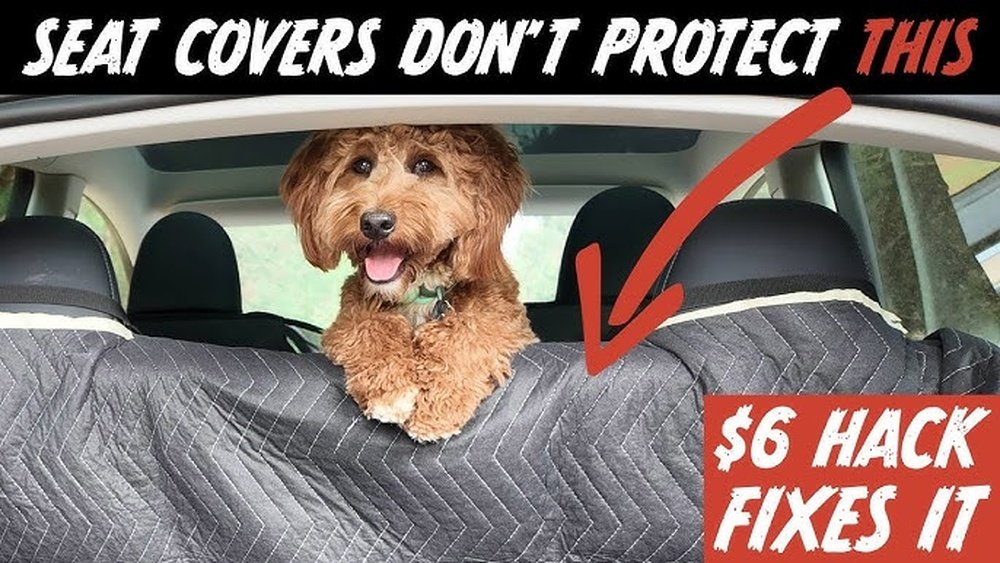
Seat covers are the first and most effective line of defense against dog-related damage. But not all covers are the same. Picking the right one for your car, dog size, and usage makes a big difference.
Types Of Car Seat Covers
There are several main types of seat covers for dog owners. Here’s a comparison to help you decide which works best for you:
| Type | Best For | Protection Level | Ease of Cleaning |
|---|---|---|---|
| Hammock-Style | Back seat, large dogs | High (full seat & back) | Machine washable |
| Bench Seat Cover | Most cars, all dogs | Medium (seat only) | Wipe clean, some washable |
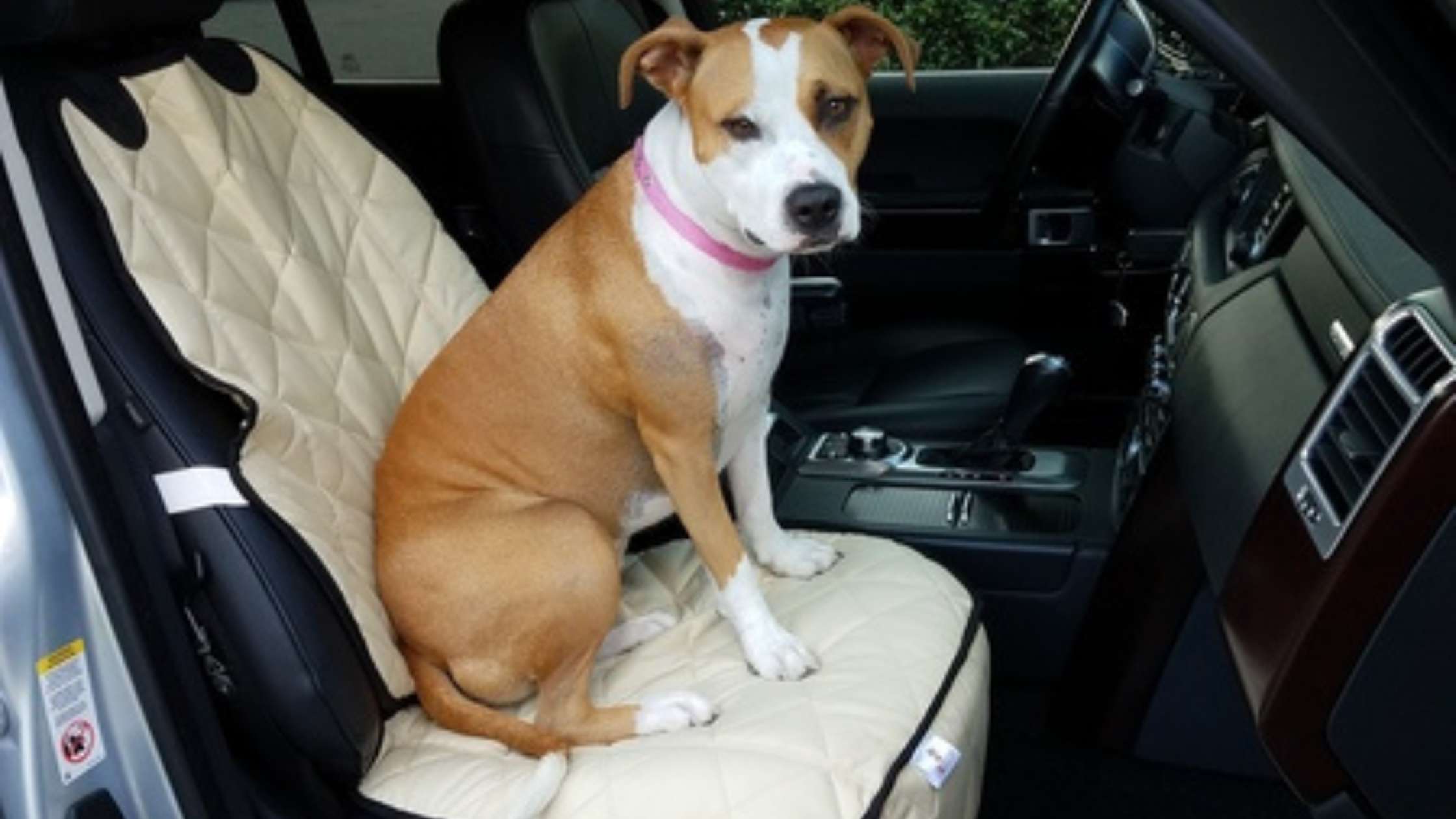
| Bucket Seat Cover | Front seat, single dog | Medium (seat only) | Wipe clean |
| Custom-Fit Covers | Luxury cars | Very high | Varies |
| Cargo Liners | SUVs, wagons | High (cargo area) | Usually washable |
Key Features To Look For
- Waterproof Material: Protects against drool, accidents, and wet paws.
- Non-slip Backing: Prevents the cover from sliding as your dog moves.
- Reinforced Seams: Stands up to scratching and dog nails.
- Side Flaps: Adds protection for door panels and seat edges.
- Easy Installation: Quick to put on or remove for cleaning.
- Machine Washable: Saves time and effort for deep cleaning.
Common Mistakes When Choosing Seat Covers
Some owners buy the cheapest cover, thinking all are the same. But thin, poorly made covers can tear easily or let liquids soak through. Another mistake is choosing the wrong size—covers that are too small leave parts of the seat exposed.
Tip: Measure your seats before buying. Read reviews from other dog owners with similar car models. Consider if you need quick removal for passengers.
Using Pet Barriers And Restraints
Protecting your car seats is not only about covers. Pet barriers and dog restraints add another layer of protection and safety, keeping your dog in a designated area.
Why Use Barriers And Harnesses?
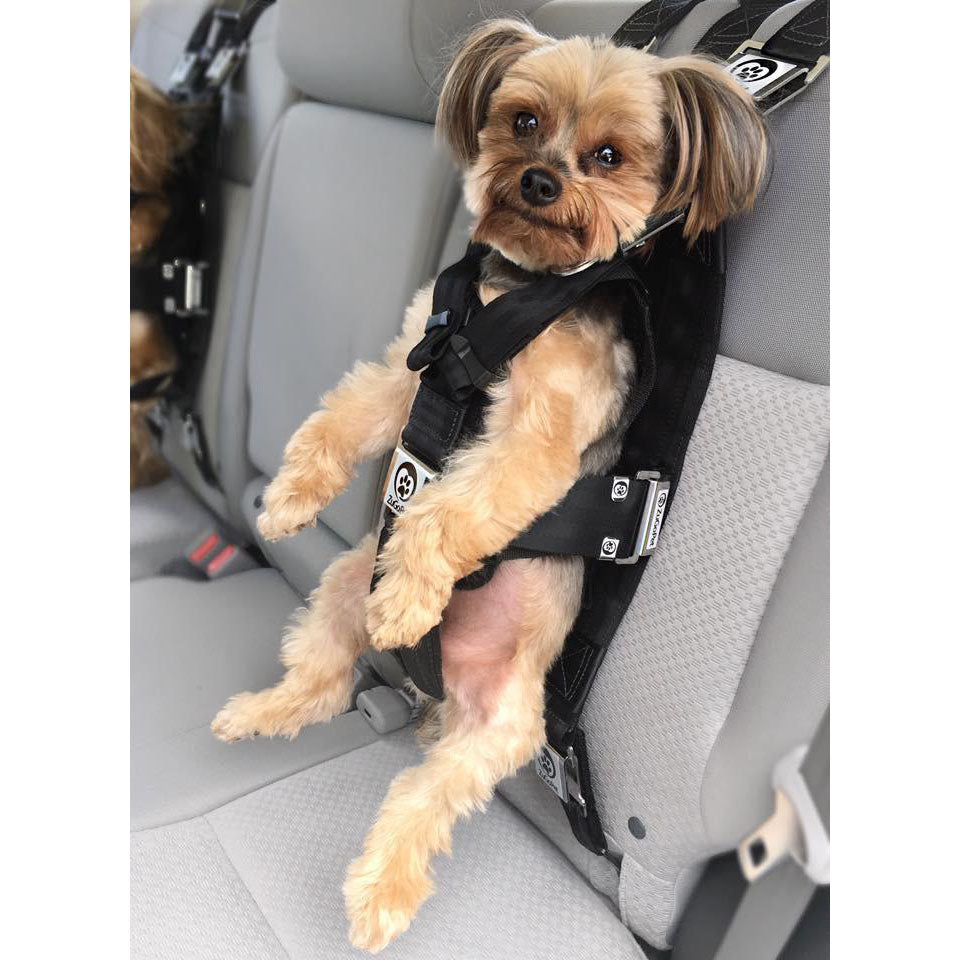
A dog that moves freely can scratch more surfaces, knock over drinks, or distract the driver. Barriers keep dogs in the back seat or cargo area. Harnesses attach to the seatbelt, limiting how far your dog can roam.
Types Of Barriers
- Mesh Barriers: Simple, lightweight, block dogs from climbing into the front.
- Metal Grilles: Stronger, ideal for big or active dogs.
- Soft Barriers: Easier to install, good for small or calm dogs.
Dog Seat Belts And Harnesses
Dog seat belts use a special harness that clicks into the seatbelt slot. This keeps your dog in one place and protects them in case of a sudden stop.
Non-obvious Benefit
Besides reducing damage, barriers and restraints make cleaning easier. You only need to protect the area where your dog sits, rather than the whole car.
Regular Cleaning And Maintenance
Even with the best covers and barriers, dirt and hair will still find their way into your car. A regular cleaning routine keeps your car fresh and prevents long-term damage.
Vacuuming
Vacuum your car seats at least once a week if your dog rides often. Use attachments for tight spaces and seams. Some vacuums are designed for pet hair and work better on stubborn fur.
Spot Cleaning
For small stains or mud, use a damp cloth and pet-safe upholstery cleaner. Blot stains, don’t rub, to avoid pushing them deeper.
Deep Cleaning
Remove covers and wash them as directed. Clean the seats underneath every few months. For leather seats, use a special leather cleaner and conditioner to prevent cracking.
Odor Control
Place baking soda or charcoal packets under the seat to absorb smells. Avoid strong air fresheners, which can bother your dog’s nose.
Hidden Tip
Check under the seats and in seatbelt slots—hair and dirt often collect here and can be missed during quick cleanings.
Credit: zugopet.com
Grooming Your Dog Before Car Rides
One of the easiest ways to prevent mess is to groom your dog before getting into the car.
Brushing
Brush your dog to remove loose hair, especially during shedding season. This simple step cuts down on hair left in the car.
Wiping Paws
Keep a towel or pack of pet wipes by the door. Wipe your dog’s paws before they jump into the car. This removes mud, sand, and chemicals from the ground.
Bathing
Give your dog a bath if they’re very dirty or have a strong odor. Clean dogs are much less likely to leave stains or smells behind.
Trimming Nails
Keep your dog’s nails trimmed to prevent scratches. Some owners forget this step, but even a few long nails can damage car upholstery quickly.
Using Blankets And Towels
Sometimes, the simplest solutions are the most effective. Blankets and towels can provide quick, temporary protection for your car seats.
How To Use
Lay a thick, washable blanket or towel over the seat before your dog gets in. Tuck the edges under the seat for extra coverage. For added grip, use a rubber-backed bath mat under the blanket.
When To Use
Blankets are great for last-minute trips, after a visit to the park, or when you don’t want to install a seat cover. They’re also useful for protecting rental cars or borrowed vehicles.
Limitations
Blankets are not waterproof and may slide around with an active dog. They’re best for short trips or as a backup when your main cover is being washed.
Pro Tip
Use two layers: a towel on the bottom for moisture and a soft blanket on top for comfort. This method also helps with odor control, since you can wash both layers regularly.
Selecting The Right Cleaning Products
Cleaning up after your dog requires the right tools. Using pet-safe, effective cleaning products helps keep your car fresh without damaging the seats or harming your pet.
Upholstery Cleaners
Choose cleaners made for car interiors and marked as safe for pets. Avoid harsh chemicals that leave residues or strong smells.
Leather Care
If you have leather seats, use a cleaner made for leather. Condition the seats regularly to keep them soft and resistant to scratches.
Odor Removers
Enzyme-based cleaners break down odors from urine or saliva. These are more effective than regular sprays, which only mask smells.
Lint Rollers And Brushes
A lint roller is essential for picking up hair from fabric seats. For heavy shedding, a rubber brush grabs more fur than a regular vacuum.
Unexpected Problem
Some household cleaners can bleach or weaken seat fabric over time. Always test a new product on a small area before full use.
Creating A Dog-friendly Car Environment
A car that’s set up for your dog’s comfort is less likely to get damaged. Comfortable dogs are calmer and move around less.
Dog Car Beds
A dog car bed or booster seat gives your pet a cozy place to sit. Many of these have waterproof covers and raised sides to contain hair and dirt.
Toys And Chews
Bring your dog’s favorite toy or chew to keep them busy. This reduces anxiety and prevents chewing on seat edges or covers.
Window Shades
Some dogs get anxious from too much sunlight or outside distractions. Window shades can help keep them calm and focused.
Air Circulation
Dogs can get hot quickly, especially on summer days. Crack the window or use car fans to keep the air fresh. A comfortable temperature reduces drooling and restlessness.

Credit: 4knines.com
Training Your Dog For Car Rides
A well-trained dog is less likely to cause problems during a ride. Car training is worth the effort, especially for young or energetic dogs.
Getting In And Out Safely
Teach your dog to wait until you say it’s okay before jumping in or out. This prevents scratches and keeps them from running into traffic.
Staying In Place
Use commands like “stay” or “sit” to keep your dog in their seat. Practice these commands at home before trying in the car.
Reducing Anxiety
If your dog is nervous in the car, start with short rides and reward calm behavior. Over time, increase the length of trips.
Non-obvious Insight
Many dogs get carsick because they’re anxious or excited. Calm, short training sessions help prevent both sickness and seat messes.
Preventing And Handling Accidents
Even with the best planning, accidents can happen. Quick action keeps your seats in good shape and prevents lasting smells or stains.
If Your Dog Has An Accident
- Blot up as much liquid as possible with paper towels or a cloth.
- Use an enzyme cleaner to break down urine or vomit.
- Allow the area to dry completely before replacing covers.
For Mud And Dirt
Let mud dry before vacuuming—it’s easier to remove dry dirt than wet. For deep stains, use a fabric-safe stain remover.
For Chewing Damage
If your dog chews or scratches a seat, cover the area with tape until you can repair it. Some scratches can be fixed with a leather or fabric repair kit.
Preventing Future Accidents
Take your dog for a bathroom break before every car ride. If your dog is prone to accidents, use a waterproof liner under the seat cover.
Surprising Fact
Many stains become permanent if not treated within the first hour. Keep a small cleaning kit in your car for emergencies.
Credit: 4knines.com
Investing In Professional Protection
For those who want the highest level of protection, professional solutions are available. These cost more but offer long-lasting results.
Professional Detailing
Auto detailers can deep-clean seats, remove odors, and apply protective coatings that repel water and stains.
Aftermarket Seat Treatments
Some shops offer spray-on fabric or leather protectants. These make it harder for liquids and dirt to penetrate the material.
Custom Seat Covers
Custom-made covers fit your car perfectly, protecting every surface. They’re more expensive but last longer than universal covers.
Is It Worth The Cost?
If you plan to keep your car for many years or have a luxury vehicle, professional protection can save money in the long run by preventing costly repairs or seat replacement.
Comparing Diy And Commercial Solutions
It can be tough to decide between do-it-yourself options and buying ready-made products. Here’s a side-by-side look:
| Solution Type | Cost | Effectiveness | Effort Required |
|---|---|---|---|
| DIY Blankets/Towels | Low | Moderate | Low to Medium |
| Commercial Seat Covers | Medium | High | Low |
| Professional Detailing | High | Very High | Low (for owner) |
| Pet Barriers/Restraints | Medium | High (for safety and cleanliness) | Low |
DIY methods are cheap and flexible, but not as durable or waterproof as commercial products. Professional services give the best results but require a higher investment. For most people, a combination works best: use commercial covers for daily protection, and add blankets or towels for extra-dirty trips.
Preparing For Special Situations
Some trips require extra planning. Special situations like long road trips, beach outings, or traveling with puppies need extra steps.
Long Road Trips
- Use high-quality, padded seat covers for comfort.
- Pack extra towels for unexpected messes.
- Bring cleaning wipes and garbage bags for quick cleanups.
- Plan for regular stops so your dog can stretch and relieve themselves.
After-swim Or Beach Trips
- Rinse your dog’s fur and paws before getting in the car to remove salt and sand.
- Use a waterproof cargo liner for SUVs or wagons.
- Bring a portable dog dryer to remove excess water.
Traveling With Puppies
- Use pee pads under seat covers as puppies are more likely to have accidents.
- Keep chew toys handy to prevent seat chewing.
- Take short trips to get your puppy used to the car.
Non-obvious Detail
Wet sand and salt from the beach can damage car seat stitching over time. Always rinse your dog and shake out towels before placing them in the car.
Budget-friendly Tips For Dog Owners
Protecting your car seats doesn’t have to be expensive. Here are practical ways to keep your car clean without spending a lot.
Use Old Sheets And Comforters
Repurpose old bedding as seat covers. They’re large, washable, and usually thicker than standard blankets.
Pool Noodles For Door Protection
Cut pool noodles and place them along the door edge to prevent scratching when your dog jumps in or out.
Diy Seat Liners
Cut a shower curtain liner to fit your seat. Place it under a blanket for a waterproof layer.
Reusable Shopping Bags
Lay flat, reusable shopping bags on seats for short trips. They’re easy to wash and replace.
Second-hand Covers
Check local ads or thrift stores for gently used car seat covers or barriers.
Case Studies: Real Owner Experiences
Sometimes, the best lessons come from real-life examples. Here are a few stories from dog owners on how they solved seat protection challenges.
Sarah And Her Golden Retriever
Sarah loves hiking with her Golden Retriever, Max. After a few muddy trips, her car was full of fur and dirt. She invested in a hammock-style seat cover with side flaps. She now brushes Max before every trip and vacuums once a week. Her car stays clean, and Max is comfortable.
Carlos And His Rescue Dogs
Carlos transports rescue dogs in his van. He uses custom cargo liners and mesh barriers to keep the dogs in the back. He also lines the floor with old bath towels and keeps a spray bottle of enzyme cleaner handy.
His van is easy to clean, even after transporting several dogs a week.
Priya And Her Pug
Priya has a small pug with sensitive skin. She uses a soft blanket over her seat and wipes her dog’s paws after every walk. She learned the hard way that strong cleaning sprays made her pug sneeze, so she switched to pet-safe products.
Hidden Lesson
Every owner’s needs are different. What works for a large, active dog might not be ideal for a small, calm breed. Test different solutions and adjust your approach over time.
Mistakes To Avoid When Protecting Car Seats
Even careful owners sometimes make mistakes. Here are common errors that lead to damaged seats:
- Not securing covers properly, leading to shifting and exposed seats.
- Using the wrong size cover that leaves gaps.
- Forgetting to groom your dog before rides.
- Ignoring smells until they become hard to remove.
- Using harsh chemicals that damage seat material or harm your dog.
- Letting your dog roam free, increasing risk of scratches and messes.
- Waiting too long to clean after an accident.
- Not checking under covers for trapped hair, dirt, or moisture.
When To Replace Seat Covers Or Liners
No product lasts forever. Here’s how to know it’s time for a new cover or liner:
- Holes or tears that expose the seat.
- Persistent odors that don’t wash out.
- Loss of waterproofing or non-slip backing.
- Frayed straps or loose stitching.
- Fading or thinning fabric from repeated washing.
Replacing covers on time prevents small problems from becoming big, expensive issues.
The Importance Of Safety
While protecting your seats is important, safety should always come first.
- Never let your dog ride in your lap or the front seat if you have airbags.
- Use dog restraints, harnesses, or barriers to prevent distractions.
- Check that seat covers do not block seatbelts or airbags.
- Secure heavy items in the car, so they don’t become projectiles in a sudden stop.
According to the American Automobile Association, unrestrained dogs in cars are a leading cause of distracted driving accidents. Taking safety seriously protects both your pet and your family.
Summary Of Key Takeaways
- Use quality seat covers for the best protection.
- Add barriers or restraints for safety and reduced mess.
- Regular grooming and cleaning make a big difference.
- Blankets, towels, and DIY solutions work for quick trips or backup.
- Choose pet-safe cleaning products and act fast after accidents.
- Adjust your strategy for special trips or new dogs.
- Safety should always come before convenience.
Protecting your car seats from dogs isn’t just about keeping your car looking new—it’s about making every trip enjoyable and stress-free for both you and your pet. With the right preparation, you’ll spend less time cleaning and more time exploring the world with your best friend.
For more information on vehicle pet safety, visit the ASPCA’s official travel safety tips.
Frequently Asked Questions
What’s The Best Way To Remove Dog Hair From Car Seats?
Use a pet-specific vacuum with a brush attachment for the best results. For stubborn hair, a damp rubber glove or a lint roller can lift hair from fabric seats. For leather, wipe with a slightly damp cloth.
Are Leather Seats Better Than Fabric For Dogs?
Leather seats are easier to wipe clean and do not hold odors like fabric. However, they scratch more easily from dog nails. Using a protective cover is still recommended for both materials.
Can I Use Human Cleaning Products On Car Seats After A Dog Mess?
It’s best to use pet-safe cleaners. Some human products contain chemicals that can harm your dog or damage seat material. Always test new products on a small spot first.
How Can I Prevent My Dog From Jumping Into The Front Seat?
Install a pet barrier or use a dog seatbelt harness. Training your dog to stay in the back seat with commands also helps. Reward calm behavior during rides.
Is It Safe For My Dog To Travel In The Cargo Area Of My Suv?
Yes, if you use a cargo liner and a sturdy pet barrier. Make sure there’s good air circulation and that your dog cannot reach items that may fall or roll during the trip.
Protecting your car seats from dogs is possible with good planning, the right products, and a little patience. With these tips, you and your dog can enjoy safe, clean, and happy travels every time you hit the road.