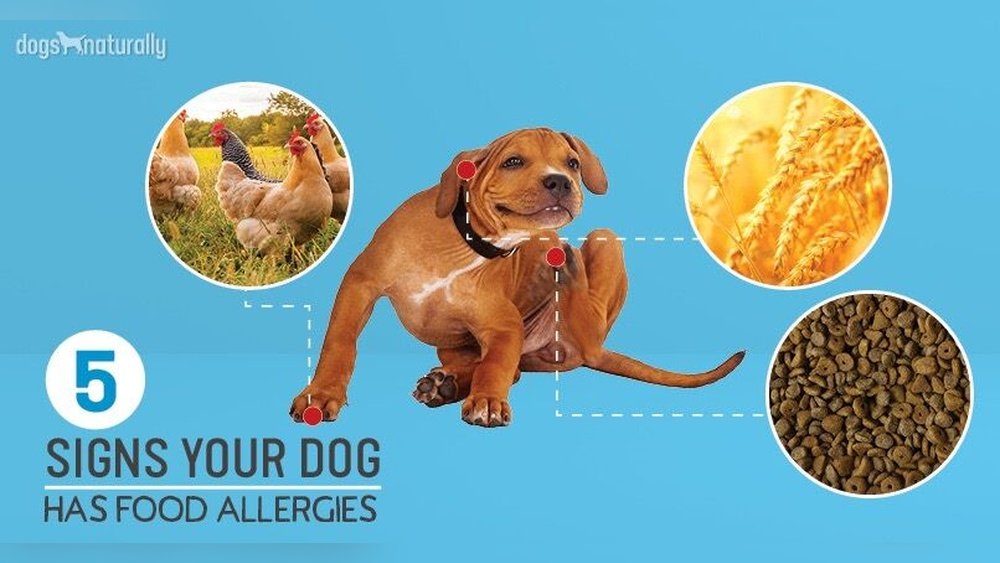
Every dog owner wants their pet to be happy, healthy, and full of energy. But sometimes, even with the best care, your dog might start to scratch more, get itchy skin, or have stomach problems. Many people think these are just normal dog problems, but they could mean something more serious—food allergies. Food allergies in dogs are often misunderstood, and many pet owners miss the early signs. If you know what to look for, you can help your dog feel better and avoid long-term health issues.
This article will guide you through the signs of food allergies in dogs, how to tell them apart from other problems, and what steps you should take if you suspect your dog has one. You’ll learn which foods are most likely to cause reactions, how to test for allergies, and what your options are for treatment and management.
We’ll use real examples, compare symptoms, and give you practical advice every dog owner should know. By the end, you’ll feel confident in spotting the warning signs and giving your dog the care they deserve.
What Are Food Allergies In Dogs?
A food allergy is an abnormal reaction by a dog’s immune system to certain ingredients in their food. Unlike food intolerance, which is more about digestion, a true food allergy triggers the immune system. When your dog eats something they’re allergic to, their body thinks it’s dangerous—even if it’s a common ingredient like chicken or wheat.
Food allergies can develop at any age. Some dogs react after eating the same food for months or even years. The most common allergens are proteins, but grains and other ingredients can also cause reactions.
Food Allergy Vs. Food Intolerance
It’s important to know the difference between food allergy and food intolerance:
- Food allergy: Involves the immune system. Often causes skin problems, itching, and sometimes stomach upset.
- Food intolerance: Doesn’t involve the immune system. Usually causes digestive issues like diarrhea or gas, but not skin problems.
For example, a dog who can’t digest lactose (milk sugar) has a food intolerance, not an allergy.
Common Signs And Symptoms Of Food Allergies
Spotting a food allergy in your dog can be tricky. The symptoms can look like other health issues, so it’s important to know the main signs.
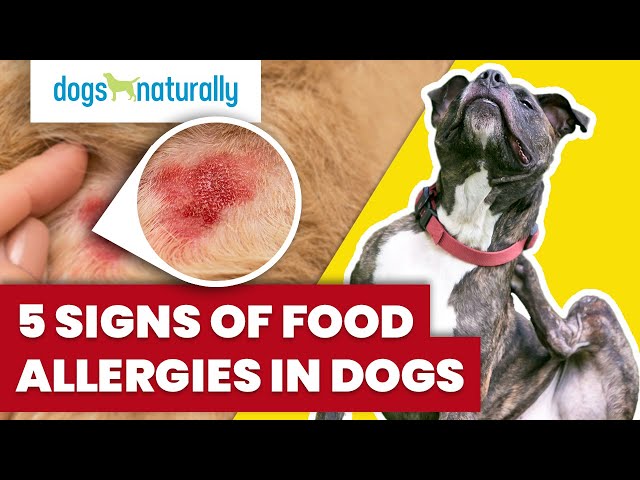
Skin Issues
Many dogs with food allergies show skin problems first. These can include:
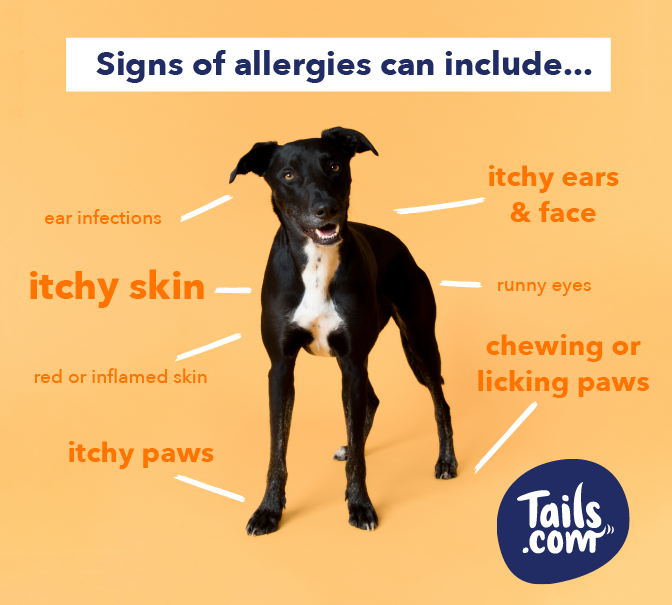
- Itching (especially around the face, paws, ears, and belly)
- Red or inflamed skin
- Hair loss or bald spots
- Sores or scabs from scratching
- Chronic ear infections
Gastrointestinal Symptoms
Some dogs show problems with their stomach and intestines, such as:
- Vomiting
- Diarrhea (often with mucus or blood)
- Gas and bloating
- Frequent bowel movements
Less Obvious Symptoms
Not all symptoms are easy to see. Some dogs may:
- Lick their paws constantly
- Rub their face on carpets or furniture
- Develop dark, thick skin (from chronic inflammation)
- Have repeated anal gland problems
Comparison With Other Conditions
It’s easy to confuse food allergies with other issues like fleas, environmental allergies, or infections. The table below compares some common causes:
| Condition | Main Symptoms | How to Tell |
|---|---|---|
| Food Allergy | Itching, skin redness, GI upset | Symptoms year-round, not seasonal |
| Flea Allergy | Severe itching, hair loss at base of tail | Find fleas or flea dirt on skin |
| Environmental Allergy | Itching, watery eyes, sneezing | Worse in certain seasons or locations |
| Infection (bacterial or yeast) | Odor, red or oily skin, discharge | May respond to antibiotics or antifungals |
Why Food Allergies Are Often Missed
Many dog owners (and even some veterinarians) mistake food allergies for other problems. This happens because:
- Symptoms are similar to other issues like fleas or pollen allergies
- Some dogs develop allergies later in life
- Dogs can be allergic to ingredients they’ve eaten for years
- Skin and stomach problems may appear alone or together
One common mistake: switching foods too quickly without a real diagnosis. This can make finding the real cause harder.
Which Foods Cause Allergies Most Often?
Although any food can cause an allergy, some ingredients are much more likely to be the problem.
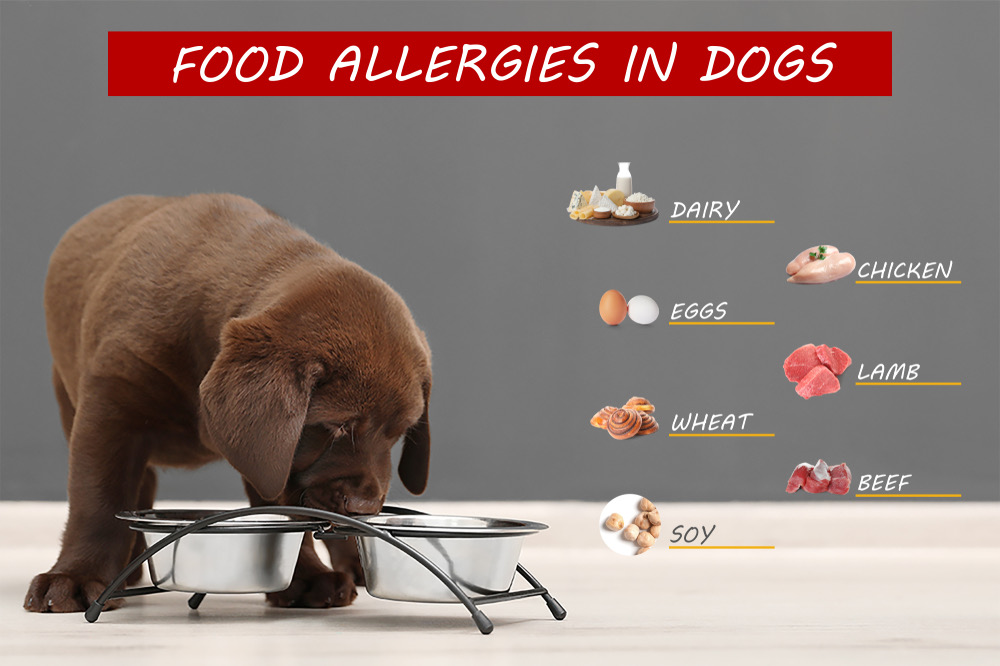
Most Common Dog Food Allergens
Research and veterinary reports show these are the top triggers:
- Beef
- Dairy products
- Chicken
- Lamb
- Wheat
- Soy
- Eggs
- Fish (less common, but still possible)
- Corn (less common, but sometimes a trigger)
Dogs can develop allergies to almost any protein or grain. In rare cases, even vegetables or rice can be a problem.
Comparing Allergen Risk
Here’s a quick look at how likely different foods are to cause allergies:
| Ingredient | Risk Level |
|---|---|
| Beef | High |
| Chicken | High |
| Dairy | High |
| Lamb | Medium |
| Wheat | Medium |
| Soy | Medium |
| Eggs | Medium |
| Fish | Low |
| Corn | Low |
Non-obvious insight: Some “hypoallergenic” diets actually contain hidden ingredients or traces of common allergens. Always check the ingredient list closely.
How Do Vets Diagnose Food Allergies?
There’s no simple blood test to confirm a food allergy in dogs. The best method is a food elimination trial.
What Is A Food Elimination Trial?
A food elimination trial means feeding your dog a special diet with ingredients they have never eaten before. If symptoms improve, you slowly add old foods back one at a time (called a “challenge”) to see which one causes a reaction.
Steps For A Food Elimination Trial
- Choose a diet with a novel protein (something your dog has never eaten, like duck or rabbit) and a single carbohydrate (like potato).
- Feed ONLY this new food for 8–12 weeks. No treats, table scraps, or flavored medicines.
- Track all symptoms and changes.
- If your dog gets better, add one old ingredient back for 1–2 weeks to see if symptoms return.
- If symptoms return after a challenge, the allergy is confirmed.
Types Of Diets Used
- Homemade diets: Made with fresh ingredients you control.
- Veterinary prescription diets: Specially made with hydrolyzed proteins or novel ingredients.
- Commercial limited-ingredient diets: Available in pet stores, but sometimes risk cross-contamination.
Hydrolyzed protein diets break the protein into very small pieces, so the immune system can’t recognize them as allergens.
Example Of A Food Trial
A dog with itchy skin is switched to a rabbit and potato diet for 10 weeks. All treats and table food are stopped. The itching gets better. When chicken is added back, the itching returns. This shows the dog is allergic to chicken.
Common Mistakes In Food Trials
- Giving treats, flavored medications, or table scraps during the trial
- Not sticking to the new diet for the full 8–12 weeks
- Using commercial foods with hidden ingredients
Non-obvious insight: Even flavored toothpaste or chewable medications can contain allergens.
Other Tests: Are They Useful?
You might see allergy blood tests or saliva tests for sale. Research shows these are not reliable for food allergies in dogs. Skin-prick tests and blood tests can help diagnose environmental allergies, but not food allergies.
If your vet suggests these tests for food allergies, ask about the evidence behind them.
Credit: www.osons-a-stmalo.com
What To Do If You Suspect A Food Allergy
If you think your dog has a food allergy:
- Record symptoms: Write down when problems started, what food your dog eats, and any changes you notice.
- Visit your veterinarian: Bring your notes and ask about a food elimination trial.
- Rule out other causes: Your vet will check for fleas, infections, or other issues first.
- Start a food trial: Follow your vet’s instructions carefully.
How To Manage And Treat Food Allergies
There is no cure for food allergies, but careful management can control symptoms.
Avoid The Allergen
Once you know the problem ingredient, the main treatment is simple: never feed it to your dog again. This means:
- Reading all pet food labels carefully
- Avoiding treats, table scraps, and flavored products with the allergen
- Asking friends, family, and dog walkers not to give your dog food
Choosing The Right Diet
After diagnosis, you have several options:
- Novel protein diets: Foods with unusual proteins like venison, duck, or kangaroo.
- Hydrolyzed protein diets: Prescription diets with broken-down proteins.
- Home-cooked diets: Made with safe ingredients, but need to be balanced for nutrition.
Your vet or a veterinary nutritionist can help you choose the best option.
Sample Comparison Of Diet Types
| Diet Type | Pros | Cons |
|---|---|---|
| Novel Protein | Usually effective, can buy commercially | May develop new allergies over time |
| Hydrolyzed Protein | Very low risk of reaction | More expensive, prescription only |
| Home-cooked | Complete control over ingredients | Time-consuming, risk of nutritional imbalance |
Monitoring And Follow-up
Even after finding the right diet, keep watching for new symptoms. Dogs can develop allergies to new foods over time. See your vet regularly to check your dog’s overall health and nutrition.
Practical Tips For Dog Owners
Managing a dog with food allergies is a long-term commitment. Here are some tips:
- Keep a food diary: Record everything your dog eats and any symptoms.
- Double-check treats and chews: Many contain hidden allergens.
- Beware of cross-contamination: Store your dog’s food separately from other pets’ food.
- Ask before giving new foods: Even a small bite can cause a reaction.
- Educate family and friends: Make sure everyone knows your dog’s allergy.
Non-obvious insight: Some dogs react to animal proteins in pills or supplements (like beef-flavored heartworm medication). Ask your vet for allergy-safe options.
When To See A Specialist
If your dog’s allergies are severe or hard to control, your vet may suggest seeing a veterinary dermatologist. These specialists have advanced training in skin and allergy problems. They can run more tests or create a custom plan for your dog.
The Impact Of Food Allergies On Your Dog’s Life
Food allergies are not just a minor inconvenience. Chronic itching, infections, and stomach problems can:
- Lower your dog’s quality of life
- Lead to serious infections
- Cause long-term skin changes or hair loss
- Affect your bond with your pet
Early diagnosis and strict management can help your dog live a happy, comfortable life.
Real-life Example
Consider Bella, a 4-year-old Labrador who started licking her paws and getting ear infections every month. Her owner tried switching foods, but the symptoms kept coming back. Finally, after a careful food elimination trial, they found Bella was allergic to chicken and wheat.
After changing her diet, Bella’s skin cleared up, and she stopped needing ear medication.
Credit: www.youtube.com
Are Some Dogs More Likely To Get Food Allergies?
Any dog can develop a food allergy, but some breeds are more at risk. These include:
- Labrador Retrievers
- Cocker Spaniels
- West Highland White Terriers
- Boxers
- Dachshunds
That said, mixed-breed dogs can also develop allergies. Puppies and older dogs can both be affected.
How Long Does It Take For Symptoms To Show?
Food allergy symptoms can appear quickly (within hours) or take days or weeks to develop. Most dogs show signs within a few days of eating the problem food. Sometimes, symptoms only appear after months of eating the allergen.
How Are Food Allergies Different From Environmental Allergies?
Environmental allergies (like pollen or dust mites) usually cause symptoms at certain times of year or in certain places. Food allergies can cause problems all year, no matter the season. This is a key clue for diagnosis.
Can You Prevent Food Allergies In Dogs?
There is no proven way to prevent food allergies. However, feeding a high-quality, balanced diet and avoiding frequent changes in protein sources may help lower the risk.
Credit: www.ovrs.com
Risks Of Not Treating Food Allergies
If you ignore food allergies, your dog can develop:
- Chronic skin infections
- Severe digestive problems
- Malnutrition
- Constant discomfort and poor quality of life
In rare cases, dogs can have a severe reaction called anaphylaxis (trouble breathing, collapse). This is an emergency and needs immediate vet care.
What About Grain-free Diets?
Some people believe grain-free diets prevent allergies. In reality, most dog food allergies are to animal proteins, not grains. Grain-free diets are not necessary unless your dog is allergic to a specific grain.
How Much Does Diagnosis And Treatment Cost?
Costs depend on your location and your dog’s needs. A basic food elimination trial (with a commercial novel protein or hydrolyzed diet) can cost $100–$300 for the first few months. Veterinary visits, special diets, and allergy-safe treats can add up.
Home-cooked diets may be more expensive and require supplements.
Resources For Further Learning
If you want to read more, the American College of Veterinary Dermatology and the American Kennel Club offer reliable information on canine allergies. For advanced reading, see this Merck Veterinary Manual article.
Frequently Asked Questions
How Can I Tell If My Dog Has A Food Allergy Or Just Sensitive Digestion?
Food allergies usually cause both skin symptoms (like itching, redness, or ear infections) and digestive issues. Sensitive digestion (intolerance) mostly causes vomiting or diarrhea, but not skin problems. If your dog shows both types of symptoms, a food allergy is more likely.
How Long Does It Take For A Food Allergy To Go Away After Changing Food?
It can take 8–12 weeks for all symptoms to disappear after removing the allergen from your dog’s diet. Some skin problems take longer to heal if there’s been chronic scratching or infection.
Can A Dog Suddenly Develop A Food Allergy To Food They’ve Eaten For Years?
Yes, dogs can develop allergies to foods they’ve eaten for a long time. The immune system can change over time, so a food that was once safe can suddenly cause a reaction.
Is There A Cure For Food Allergies In Dogs?
There is no cure for food allergies, but avoiding the problem food can keep your dog healthy and comfortable. Strict management is the key.
Should I Try A Grain-free Diet If I Suspect A Food Allergy?
Only if your dog is allergic to a specific grain. Most food allergies are to animal proteins, not grains. Talk to your vet before changing your dog’s diet.
Helping your dog with food allergies takes patience, careful observation, and teamwork with your veterinarian. With the right approach, you can give your pet a happier, healthier life—free from the discomfort of hidden food allergies.