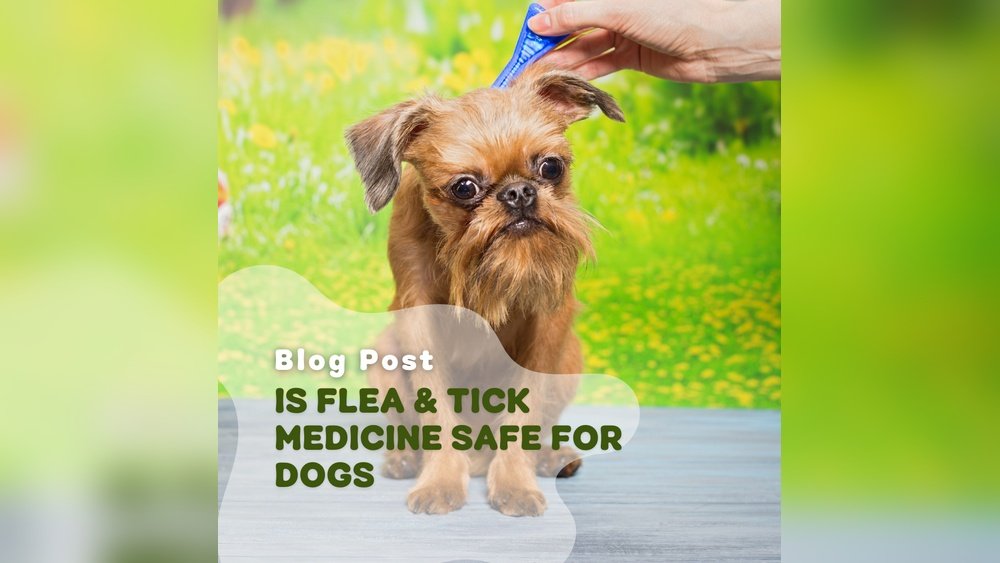
When you bring a dog into your home, you want to keep them happy, healthy, and free from harm. One common challenge for dog owners is fighting off fleas. These tiny pests not only cause itching, but can also spread diseases, create skin problems, and even lead to anemia in severe cases. Flea medicines are widely used to protect dogs, but many pet owners wonder: Is flea medicine safe for dogs? The answer is not always simple. With so many products available, each with different active ingredients and methods, it’s important to know the facts before choosing a treatment for your furry friend.
This article will take you deep into the world of flea medicines for dogs. We will look at how these products work, the different types, what the risks are, and how you can use them safely. We’ll also cover special situations, such as using flea medicines on puppies, pregnant dogs, or dogs with health issues.
By the end, you’ll be well-equipped to make confident, informed choices for your dog’s flea protection.
Understanding Flea Medicines
Flea medicines are designed to kill or control fleas on your dog. There are many options, but all aim to break the flea’s life cycle and stop infestations. The main types include:
- Topical treatments (spot-ons)
- Oral medications
- Flea collars
- Sprays and powders
- Shampoos
Each type works differently, and each has its own safety profile. Let’s break down these options.
Topical Treatments
Topical flea medicines are applied directly to your dog’s skin, usually between the shoulder blades. Popular brands include Frontline, Advantage, and Revolution. These products are easy to use and typically protect for about a month.
How they work: The medicine spreads over your dog’s skin and hair, killing fleas on contact. Some also protect against ticks, lice, or mites.
Safety: Most topical treatments are safe when used as directed, but they can cause side effects in some dogs. Skin irritation is the most common, but more serious reactions like vomiting, drooling, or neurological problems can sometimes occur.
Tip: Never use topical flea products made for cats on your dog, or vice versa. The formulas are different and can be dangerous if mixed up.
Oral Medications
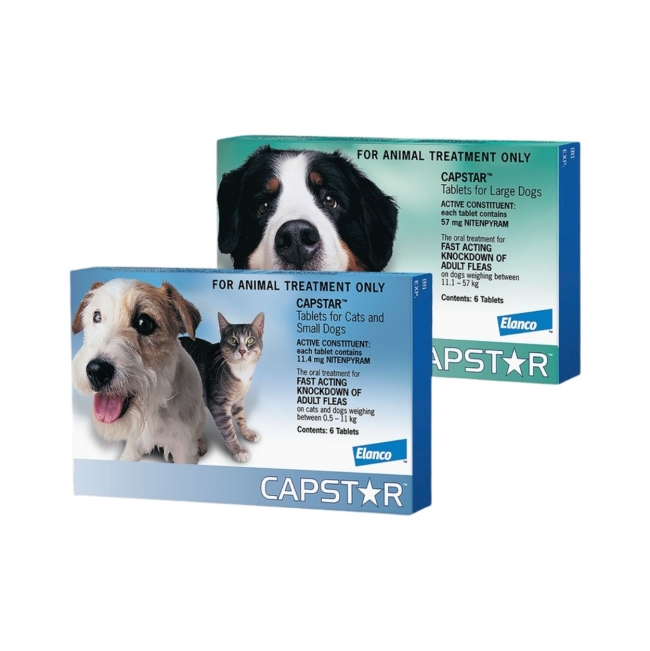
Oral flea medicines are pills or chews that your dog swallows. Brands like NexGard, Bravecto, and Simparica are popular choices. These products offer convenience—no mess, and no risk of children or other pets touching the medicine on your dog’s fur.
How they work: These medicines enter your dog’s bloodstream. When a flea bites, it ingests the drug and dies.
Safety: Oral treatments tend to have fewer skin reactions, but may cause stomach upset, decreased appetite, or, rarely, neurological side effects. Some oral flea products are not suitable for dogs with a history of seizures.
Non-obvious insight: Oral flea medicines can sometimes kill fleas faster than topicals, which is helpful for dogs with flea allergy dermatitis.
Flea Collars
Flea collars slowly release chemicals that kill or repel fleas. Some modern collars provide protection for up to 8 months (Seresto is a well-known brand).
How they work: The active ingredients spread over your dog’s skin and coat.
Safety: Many collars are safe, but cheaper products may be less effective or cause skin reactions. Collars can also be a choking hazard if not fitted properly.
Tip: Always check the label—some collars are only for adult dogs, and some are not water-resistant.
Sprays And Powders
Flea sprays and powders are applied to your dog’s coat. These are often used for quick relief or when other methods are not suitable.
How they work: They kill fleas on contact, but usually don’t last as long as other options.
Safety: These products can cause skin dryness or irritation. It’s important to avoid your dog’s eyes, nose, and mouth during application.
Shampoos
Flea shampoos wash away fleas and their eggs. They are often used as a first step in heavy infestations.
How they work: The ingredients kill fleas on contact, but do not provide long-term protection.
Safety: Overuse can dry out your dog’s skin. Be sure to use only shampoos made for dogs, as some can be toxic to cats.
How Safe Are Flea Medicines For Dogs?
Most flea medicines are safe for dogs when used correctly. Regulatory agencies, such as the U.S. Environmental Protection Agency (EPA) and the Food and Drug Administration (FDA), test and approve these products before they reach stores. However, no medicine is 100% risk-free.
Factors Affecting Safety
Several factors can affect how safe a flea medicine is for your dog:
- Dog’s age and weight: Puppies, small breeds, or underweight dogs are more sensitive to medicines.
- Health status: Dogs with liver, kidney, or neurological problems may react differently.
- Breed: Some breeds (like Collies or Shelties) are more sensitive to certain ingredients.
- Correct dosage: Overdosing increases the risk of side effects.
- Product quality: Cheap, unregulated products are more likely to cause harm.
Common Side Effects
Most dogs tolerate flea medicines well, but side effects can occur. The most common include:
- Mild skin irritation (redness, itching, hair loss)
- Vomiting or diarrhea
- Drooling
- Lethargy or tiredness
Rarely, more serious side effects are reported:
- Tremors or seizures
- Loss of coordination
- Breathing problems
If your dog shows severe symptoms after using a flea product, call your vet immediately.
Statistics And Reports
According to the EPA, between 2013 and 2017, about 5,000 incidents of pet reactions to spot-on flea products were reported annually in the U.S. Most were mild, but some were serious or fatal. The majority involved improper use, such as using the wrong product for the pet’s size or species.
Key Ingredients In Flea Medicines
Understanding what’s inside flea medicines helps you make safer choices. Here are some common active ingredients:
- Fipronil: Used in many spot-on treatments; generally safe, but can cause skin irritation.
- Imidacloprid: Found in Advantage; low toxicity, but can cause mild side effects.
- Permethrin: Used in some dog-only products. Toxic to cats and some small dogs.
- Selamectin: In Revolution; safe for most dogs, also treats mites and some worms.
- Afoxolaner, Fluralaner, Sarolaner, Lotilaner: Found in oral products (NexGard, Bravecto, etc. ); can rarely cause neurological effects.
Non-obvious insight: Some “natural” flea products use essential oils (like tea tree or pennyroyal). These can be more dangerous than synthetic chemicals, especially if used in high amounts.
Comparing Flea Medicine Types
To help you see the differences, here’s a comparison of the main types of flea medicines:
| Type | How Long It Lasts | Main Side Effects | Best For |
|---|---|---|---|
| Topical (Spot-On) | 1 month | Skin irritation | Most adult dogs |
| Oral (Chews/Pills) | 1-3 months | Vomiting, rare neuro issues | Dogs who dislike sprays/topicals |
| Flea Collars | Up to 8 months | Local skin reactions | Busy owners, long-term use |
| Sprays/Powders | Days to weeks | Dry skin, breathing issues | Quick relief, heavy infestations |
| Shampoos | Immediate, short-term | Dryness, irritation | Starting heavy treatments |
Risks Of Flea Medicines: What Can Go Wrong?
Even with proper use, flea medicines can cause problems in some dogs. Being aware of the risks helps you spot trouble early.
Allergic Reactions
Some dogs are allergic to certain ingredients. Signs include swelling, hives, severe itching, and difficulty breathing. Allergic reactions can start within minutes or up to a few hours after application.
Overdose
Overdosing—giving too much at once or repeating treatments too soon—can cause serious harm. Symptoms include vomiting, tremors, seizures, and collapse. Always follow package instructions and your vet’s advice.
Using Dog Products On Cats (or Vice Versa)
Never use a dog-only product on a cat. Many contain ingredients that are safe for dogs but deadly for cats. Accidental use is a common cause of pet poisonings.
Underlying Health Problems
If your dog has liver, kidney, or neurological disease, they may not handle flea medicines as well as a healthy dog. Always tell your vet about your dog’s health history.
Resistance
Some flea populations have become resistant to older medicines. This means you may see fewer results, leading to overuse or mixing products—both of which increase risks.
When To Be Extra Careful
Certain situations call for special care when using flea medicines:
Puppies
Puppies under 8 weeks are very sensitive. Many flea medicines are not approved for young puppies. Always check age limits and ask your vet for advice.
Pregnant Or Nursing Dogs
Not all flea medicines are safe for pregnant or nursing dogs. Some ingredients can harm puppies in the womb or through the mother’s milk.
Sick Or Elderly Dogs
Dogs with chronic illnesses or older dogs may react differently to flea medicines. Lower doses or special products may be needed.
Small Breeds And Toy Dogs
Small dogs are more likely to suffer from overdoses, even with small errors. Be precise with measurements.
Dogs With Seizure Disorders
Some oral flea medicines have been linked (rarely) to seizures. If your dog has a seizure history, talk to your vet before using these products.
How To Use Flea Medicines Safely
To get the benefits of flea medicines and reduce risk, follow these safety guidelines:
- Read the label: Always check the product is for dogs and the right weight/age.
- Measure carefully: Use the exact dose for your dog’s size.
- Keep records: Write down when you gave the medicine, especially for monthly treatments.
- Separate pets: Keep treated dogs away from other animals and children until the product dries or is absorbed.
- Watch for side effects: Monitor your dog for 24–48 hours after giving any new flea product.
- Do not double up: Don’t mix flea medicines unless your vet says it’s safe.
- Store safely: Keep all flea products out of reach of children and pets.
What To Do If Your Dog Has A Reaction
If you notice unusual symptoms after using flea medicine, act quickly:
- For mild skin irritation: Wash the area with mild soap and water.
- For vomiting or drooling: Offer water, and monitor closely.
- For severe symptoms (seizures, collapse, difficulty breathing): Get to a vet immediately.
Bring the flea product box with you to the vet. This helps them know exactly what ingredients your dog was exposed to.
Credit: olofssonauto.com
Natural And Alternative Flea Controls
Many people seek natural flea remedies to avoid chemicals. While some can help as part of a larger plan, they are rarely as effective as proven medicines.
- Regular bathing and combing: Helps remove fleas, but does not prevent them.
- Diatomaceous earth: This powder can kill fleas in the environment, but should not be inhaled.
- Essential oils: Some are toxic to dogs and cats. Use only under vet supervision.
Non-obvious insight: Even “natural” products can be dangerous if used incorrectly or in high amounts. There is no truly chemical-free way to prevent fleas.
How Vets Choose Flea Medicines
Veterinarians consider several factors before recommending a flea medicine:
- Dog’s age, breed, and weight
- Health status and medical history
- Local flea resistance patterns
- Owner’s lifestyle (multiple pets, children, etc.)
- Budget
Vets keep up with new research, recalls, and side effect reports, so their advice is more reliable than online reviews or pet store recommendations.
Credit: aeroclubcomo.com
Latest Research On Flea Medicine Safety
Research continues to improve the safety of flea medicines. For example, the FDA has reviewed reports of neurological side effects in some oral flea medicines. According to an FDA communication in 2018, a small number of dogs experienced tremors, ataxia, or seizures after taking isoxazoline-based oral flea products.
However, most dogs had no issues, and the benefits often outweigh the risks, especially in flea-heavy regions.
A 2020 study published in Veterinary Parasitology found that topical fipronil-imidacloprid products had a 98% effectiveness rate with very low rates of side effects, mostly mild skin reactions.
Still, all medicines carry some risk. Reporting side effects to your vet and to national agencies helps improve safety for all pets.
Practical Tips For Preventing Fleas Safely
Flea medicine is just one part of a larger flea prevention plan. Here’s how to boost safety and effectiveness:
1. Treat All Pets
Fleas jump between animals. Treat all dogs and cats in your home, even if only one has fleas.
2. Clean The Environment
Vacuum carpets, wash bedding in hot water, and clean sofas regularly. Flea eggs and larvae often hide here.
3. Use Year-round Prevention
Fleas can survive indoors all year. Consistent, monthly prevention is safer than treating sudden outbreaks.
4. Rotate Products (with Vet Guidance)
If you notice less effect, talk to your vet about switching products. Never mix brands on your own.
5. Watch For Local Outbreaks
Some regions have more fleas or ticks. Ask your vet about local risks.
Comparing Popular Flea Medicines
Here’s a quick look at some popular flea medicines and their safety notes:
| Brand | Type | Main Ingredient | Special Warnings |
|---|---|---|---|
| Frontline Plus | Topical | Fipronil | Not for very young puppies |
| Advantage II | Topical | Imidacloprid | Avoid on broken skin |
| Seresto | Collar | Imidacloprid/Flumethrin | Remove if skin irritation develops |
| NexGard | Oral | Afoxolaner | Not for dogs with seizure history |
| Bravecto | Oral | Fluralaner | Not for puppies under 6 months |
Special Cases: When To Consult Your Vet
Some situations always require a vet’s advice before using flea medicine:
- Your dog is under 8 weeks old
- Your dog is pregnant or nursing
- Your dog has chronic illness (liver, kidney, epilepsy)
- You have multiple pets, especially cats
- Your dog has had a reaction to flea medicine before
In these cases, your vet may suggest special products, lower doses, or even prescription-only options.
Myths And Misconceptions About Flea Medicine Safety
Many myths make it harder to choose wisely. Let’s clear up a few:
Myth 1: “natural” Means Safe
Many natural products, like essential oils, can be toxic to pets. “Natural” does not always mean harmless.
Myth 2: Human Medicines Work
Never use human lice shampoos or other medicines on dogs. The ingredients and doses are not safe for pets.
Myth 3: More Is Better
Doubling up on flea products does not make them work faster and can seriously harm your dog.
Myth 4: Only Outdoor Dogs Need Flea Control
Fleas can come into your home on shoes or clothing. Even indoor dogs can get fleas.
Myth 5: All Dogs React The Same
Each dog is unique. What works for one may not be safe for another.
How To Report A Flea Medicine Side Effect
If your dog has a side effect from a flea product, report it. In the U. S. , you can contact the product manufacturer or the EPA/FDA. Reporting helps improve safety for all pets.
You can find more details on how to report at the official EPA Pet Safety page.
Cost Vs. Safety: Is Expensive Always Better?
Some owners think that pricier flea medicines are safer. While it’s true that well-known brands invest more in safety research, price alone does not guarantee safety. Generic versions of popular products can be safe—if they are approved by regulatory agencies and used as directed.
Non-obvious insight: Some online stores sell counterfeit flea products. These can be dangerous. Always buy from trusted sources, ideally with your vet’s guidance.
Flea Medicines And Multi-pet Homes
If you have both dogs and cats, be extra careful. Many flea products for dogs are highly toxic to cats. Keep cats away from treated dogs until the product dries, and never use dog-only products on cats.
If your dog and cat share bedding or groom each other, ask your vet for a product that is safe for both.
Understanding Labels: What To Look For
Before using any flea medicine, check the label for:
- Approved for dogs: Never use cat products on dogs.
- Weight and age limits: Make sure your dog fits the listed range.
- Active ingredients: Know what’s inside, and watch out for known allergies.
- Expiration date: Outdated products may be less effective or unsafe.
- Storage instructions: Some medicines need cool, dry storage.
If the label is unclear or you have doubts, ask your veterinarian.
Environmental Impact Of Flea Medicines
Flea medicines can affect the environment, especially if washed into water systems. Some ingredients are harmful to fish and other wildlife. To minimize risks:
- Don’t bathe your dog right after applying topical treatments.
- Dispose of packaging safely.
- Never flush unused products down the toilet or sink.
Case Studies: Real World Experiences
Case 1: The Sensitive Puppy
A 3-month-old Labrador puppy started drooling and shaking after a topical flea treatment. The owner had accidentally used a product meant for older, heavier dogs. After a quick bath and a visit to the vet, the puppy recovered. This highlights the importance of choosing the right product and dose for your dog’s age and weight.
Case 2: The Multi-pet Home
A family treated their dog with a permethrin-based spot-on. Their cat later groomed the dog and became very ill. The cat needed emergency care but survived. This case shows how important it is to keep cats and dogs apart after treatment and never use dog products on cats.
Case 3: The Allergic Reaction
A senior poodle developed hives and swelling after a new oral flea medicine. The reaction started within an hour. The medicine was stopped, and the vet switched to a different product with no further problems. Always monitor your dog after starting a new medicine.
The Role Of Regular Vet Checkups
Annual or semi-annual vet visits are a great time to review your flea prevention plan. Your vet can suggest newer, safer products or adjust your dog’s plan as they age or develop new health issues.
Regular checkups also help catch flea infestations early, before they lead to bigger problems.
How To Choose The Right Flea Medicine For Your Dog
Here’s a step-by-step guide:
- Assess your dog: Age, weight, health, breed, and lifestyle.
- Check your household: Are there cats, kids, or other dogs?
- Talk to your vet: Get a recommendation based on your dog’s needs.
- Read the label: Make sure it’s for your dog’s size and age.
- Monitor for side effects: Watch closely after first use.
- Stay consistent: Use year-round to prevent infestations.
Frequently Asked Questions
What Should I Do If My Dog Eats A Topical Flea Medicine?
If your dog licks or eats a topical flea product, call your vet right away. Most topical medicines can cause drooling, vomiting, or more serious reactions if swallowed. Try to prevent access by applying products in a place your dog can’t reach and distracting them until it dries.
How Old Should My Puppy Be Before Using Flea Medicine?
Most flea medicines are safe for puppies 8 weeks or older. Some products require puppies to be even older or heavier. Always check the product label or ask your vet before treating young puppies.
Can I Use The Same Flea Product On My Dog And Cat?
No, never use a dog-only flea product on a cat. Some ingredients safe for dogs can be deadly to cats, even in small amounts. Always use species-specific products.
What Are Signs Of A Flea Medicine Overdose?
Watch for vomiting, diarrhea, tremors, seizures, drooling, or collapse. If you see these signs after giving flea medicine, contact your vet or an emergency clinic immediately.
Are “natural” Flea Remedies Safer Than Chemical Ones?
Not always. Some natural products, like certain essential oils, can be toxic to dogs and cats. There is no guarantee of safety just because something is labeled “natural. ” Always check with your vet before using alternative remedies.
Final Thoughts
Flea medicine is an important part of keeping your dog healthy and comfortable. Most products are safe when used as directed, but even well-known brands can cause side effects in some dogs. Understanding the types of flea medicines, their ingredients, and the risks will help you make the best choice for your pet.
Always read labels, start with your vet’s advice, and monitor your dog after each treatment. With care and knowledge, you can protect your dog from fleas—and avoid unnecessary risks.

Credit: aeroclubcomo.com