Every dog owner wants their furry friend to be happy and healthy. But sometimes, even when you buy the best food and treats, your dog may start itching, losing fur, or having stomach problems. Many owners are surprised to learn that food allergies in dogs are not rare. In fact, they are among the most misunderstood and overlooked health issues in pets. Even a small change in your dog’s diet can make a big difference if you recognize the signs early.
This article will explain the most common food allergies in dogs, how to spot them, and what steps you can take to help your pet. You’ll also learn why some ingredients are more likely to cause problems, which breeds are at higher risk, and how food allergies are different from food intolerances. By the end, you’ll understand the science, symptoms, and solutions that matter most—so you can make confident decisions for your dog’s well-being.
What Are Food Allergies In Dogs?
Food allergies happen when a dog’s immune system mistakes a food protein for something harmful and attacks it. This triggers a reaction that can affect the skin, stomach, and even your dog’s mood. Unlike food poisoning or intolerance, allergies involve the immune system and usually repeat every time your dog eats the problem ingredient.
A common myth is that food allergies in dogs are extremely rare. In reality, studies show that food allergies make up about 10% of all allergies in dogs, behind only flea bites and environmental allergens. This means millions of dogs worldwide suffer from food-related problems without their owners realizing it.
Some breeds, like Labrador Retrievers, West Highland White Terriers, and Boxers, are more likely to develop food allergies. However, any dog can be affected, regardless of age or background.
Why Are Some Foods More Likely To Cause Allergies?
Dogs develop food allergies when their immune system becomes sensitive to certain proteins or carbohydrates. Usually, the dog must eat the ingredient many times before the allergy starts. The most common triggers are not “bad” foods—they are often the same foods that make up popular dog diets.
The reason certain foods are more problematic is simple: Exposure. Foods used most often in commercial dog foods are more likely to cause allergies. This is why chicken, beef, and dairy are common triggers, while less common meats like kangaroo or venison are rarely a problem.
Another factor is genetics. Some dogs are born with a tendency to develop allergies, especially if their parents had similar issues. Also, dogs with other allergies (like pollen) are more likely to develop food allergies over time.
)
Credit: www.allurelakestorey.com
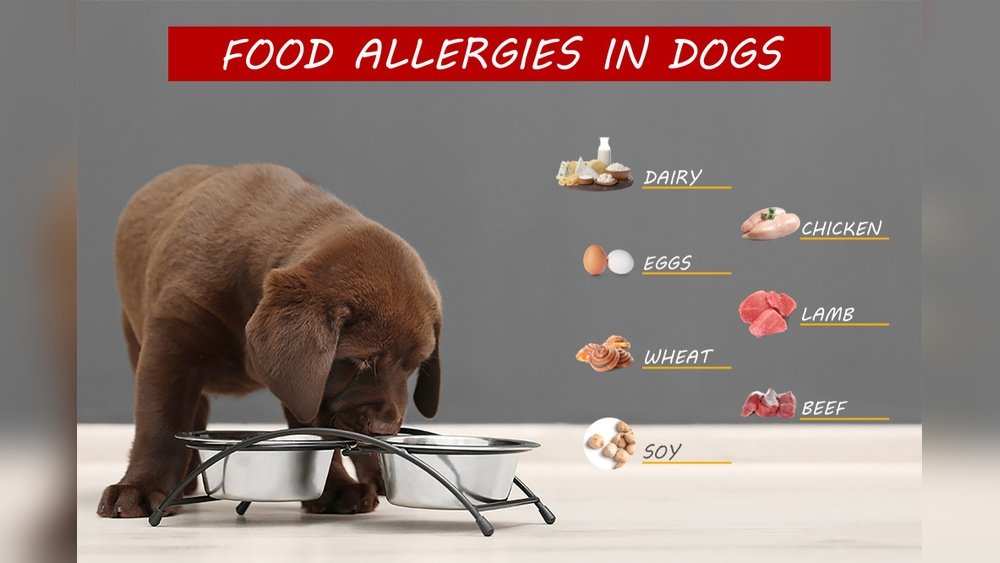
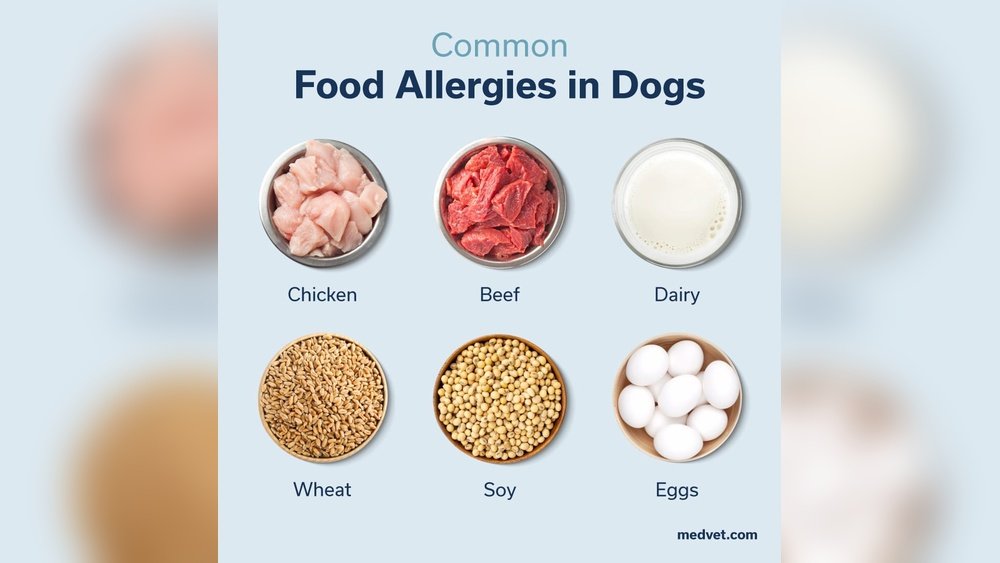
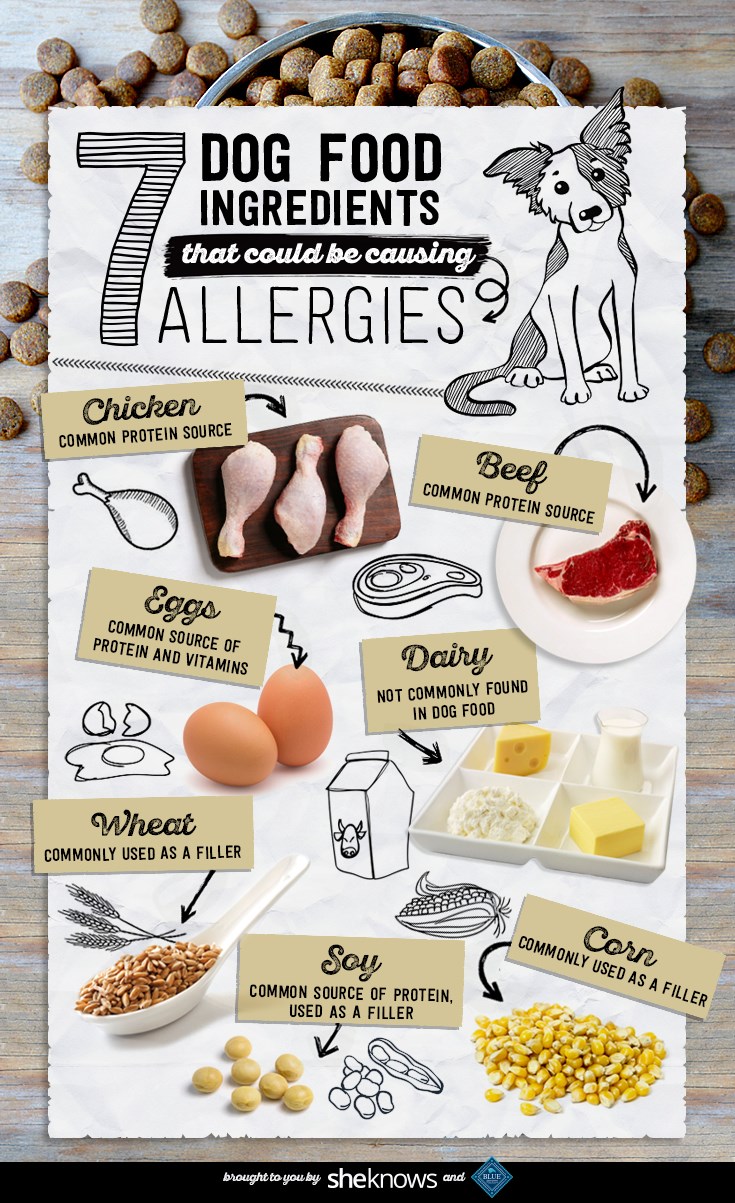
Most Common Food Allergens In Dogs
Let’s look at the ingredients most often responsible for dog food allergies. Each has unique reasons for causing problems, and some are surprising for new dog owners.
1. Beef
Beef is one of the most common protein sources in dog food—and also the top cause of food allergies in dogs. Since beef is used in many commercial diets, dogs are exposed to it from a young age. Over time, the immune system may react to beef proteins, causing symptoms like constant itching, skin rashes, ear infections, and digestive upset.
A 2016 study found that over 34% of dogs with food allergies react to beef. If your dog shows symptoms and eats a beef-based diet, consider asking your vet about an elimination diet to test for beef allergy.
2. Dairy Products
Dogs, like many humans, can have trouble with dairy. But with dogs, there is a difference between lactose intolerance and a true dairy allergy. In intolerance, the dog lacks the enzyme to digest lactose, leading to diarrhea or gas. In a dairy allergy, the immune system reacts to milk proteins like casein or whey.
Typical signs include skin problems, ear infections, and, in severe cases, vomiting. Many treats and dog foods contain hidden dairy, so it’s important to check labels if your dog is sensitive.
3. Chicken
Chicken is a favorite protein in dog food because it’s affordable and easy to digest. Ironically, it is also among the most common food allergens for dogs. Dogs develop a chicken allergy after eating it repeatedly over time.
Symptoms include itching, “hot spots,” and chronic ear infections. Sometimes, even chicken fat or flavoring can trigger a reaction. Owners often mistake chicken allergy for environmental allergies, as the signs are similar.
4. Wheat
Wheat is a common grain in many commercial dog foods. For some dogs, wheat proteins (like gluten) cause immune reactions that lead to skin and stomach issues. This is not the same as celiac disease in humans, but the symptoms can be similar.
Wheat allergies are less common than beef or chicken, but they are important to consider—especially if your dog’s symptoms improve on a grain-free diet. Some dogs with wheat allergies also react to other grains like barley or rye.
5. Lamb
Lamb was once used as a “hypoallergenic” protein in dog foods, but now it is a common allergen. As lamb became more popular, more dogs developed sensitivities. Lamb allergy signs are the same as with other meats: itching, hair loss, and stomach upset.
If your dog is allergic to beef or chicken, switching to lamb may not help. Always check with your vet before making changes.
6. Egg
Eggs are a concentrated protein, but some dogs are allergic to the proteins in the egg white or yolk. Symptoms can include skin inflammation, ear infections, and sometimes digestive trouble.
Eggs can appear in many foods and treats, not just in obvious forms. If your dog is allergic, you must read ingredients carefully.
7. Soy
Soy is found in many low-cost dog foods as a protein booster. However, soy is a known allergen for some dogs. Symptoms include itchy skin, chronic ear infections, and gas.
There is debate about whether soy is a good ingredient for dogs at all. For allergic dogs, it is best to avoid all forms of soy, including soy flour, soy protein, and tofu.
8. Corn
Corn is another common filler in commercial dog foods. While not as allergenic as beef or dairy, some dogs do react to corn proteins. Symptoms are similar: itching, skin infections, and digestive upset.
Corn is often hidden in ingredient lists as corn gluten meal or maize. If you suspect a corn allergy, look for grain-free foods.
9. Fish
Fish allergies are less common but do occur. Dogs usually develop allergies to fish after eating it as their main protein for some time. Common signs are skin irritation, chronic itching, and sometimes vomiting.
Interestingly, some dogs allergic to one type of fish (like salmon) can eat others (like whitefish) without problems. Always introduce new proteins slowly.
10. Pork
Pork is not as common in dog food, but it can still cause allergies. Pork allergies often show as skin redness, hair loss, and digestive problems. If your dog reacts to beef or lamb, there is a higher chance they might react to pork too.
Pork is sometimes used in treats and chews, so read labels if your dog is sensitive.
11. Rabbit
Rabbit is a “novel” protein that is used for dogs with allergies to more common meats. However, some dogs do develop rabbit allergies after long-term use. Signs include itching and digestive upset.
Rabbit allergies are rare, but they can happen. If you switch to rabbit and your dog still shows symptoms, another ingredient may be to blame.
12. Turkey
Turkey is often seen as a good alternative for allergic dogs, but it can still cause reactions. Symptoms are usually skin-related, such as redness and itching.
Dogs allergic to chicken sometimes react to turkey, as both are poultry. If your dog is allergic to one, try a completely different type of meat.
13. Potato
Potato is used as a carbohydrate in many grain-free dog foods. Some dogs develop allergies to potato, leading to skin and digestive problems. Potato is less likely to cause allergies than wheat or corn, but it is not risk-free.
If your dog reacts to both grains and potatoes, finding the right food can be challenging.
14. Rice
Rice is another common grain in dog food. While most dogs digest rice easily, some react to its proteins. Signs of rice allergy include itchy skin, ear infections, and diarrhea.
Rice is often used in “sensitive stomach” formulas, so owners may not suspect it. Watch for symptoms if your dog’s food is rice-based.
15. Peas
Peas and other legumes are popular in grain-free foods. Some dogs develop allergies to pea protein, leading to symptoms like itching and stomach upset.
Peas are often used as a source of protein or fiber. If your dog reacts to grain-free diets, peas could be the cause.
16. Barley
Barley is another grain that can cause allergies in some dogs. Barley allergies are less common, but they can cause chronic itching and digestive issues.
Barley is often found in both dry and canned foods, so always check the full ingredient list.
17. Venison
Venison is used as a novel protein for allergic dogs. While rare, venison allergies do occur, especially in dogs who have been eating it as their main protein for a long time.
Symptoms are the same: skin irritation and digestive problems. If your dog reacts to venison, try a less common protein like duck or kangaroo.
Symptoms Of Food Allergies In Dogs
Spotting food allergies can be tricky. The signs often look like other health problems or environmental allergies. But knowing what to watch for can help you and your vet find the cause faster.
Common symptoms of food allergies include:
- Itchy skin (face, feet, belly, armpits)
- Chronic ear infections
- Red, inflamed skin
- Hair loss or bald patches
- Frequent licking or chewing paws
- Vomiting or diarrhea
- Anal gland problems (scooting, licking rear)
- Recurring hot spots
One non-obvious sign is chronic ear infections. Many owners treat ear problems with drops but never check the diet. If your dog’s ears are always infected, a food allergy could be the reason.
Another overlooked clue is year-round itching. If your dog itches in winter and summer, food allergies are more likely than pollen or outdoor allergies.
How Are Food Allergies Diagnosed?
Diagnosing food allergies is not simple. There is no quick blood test to confirm food allergies in dogs. Instead, vets use a process called an elimination diet or food trial.
Here’s how it works:
- Switch to a new diet with proteins and carbohydrates your dog has never eaten before (like duck and potato).
- Feed only this food (no treats, table scraps, or flavored medications) for 8–12 weeks.
- Watch for improvement in symptoms. If your dog gets better, a food allergy is likely.
- Reintroduce old foods one at a time to find the specific allergen.
This process is slow but is the gold standard. Some companies offer allergy tests based on saliva or blood, but these are not considered reliable by most veterinarians.
Food Allergy Vs. Food Intolerance
It’s important to know the difference between an allergy and an intolerance. In allergies, the immune system is involved, and symptoms often include skin and ear problems. In intolerances, the problem is with digestion, not the immune system.
For example, a dog who gets diarrhea after drinking milk may be lactose intolerant but not allergic to dairy. Allergies are usually more severe and can affect multiple body systems.
Here’s a quick comparison:
| Feature | Food Allergy | Food Intolerance |
|---|---|---|
| Immune system involved? | Yes | No |
| Common symptoms | Itching, skin problems, ear infections | Diarrhea, gas, bloating |
| Speed of reaction | Hours to days | Minutes to hours |
| Tested by elimination diet? | Yes | Sometimes |
If your dog only has stomach problems, it may be an intolerance, not a true allergy.

Credit: conclave.snumcaj.com
How To Manage Food Allergies In Dogs
Once you know your dog has a food allergy, managing it becomes easier. The most important step is avoiding the problem ingredient. Here’s what you can do:
- Read all food and treat labels. Allergens can hide in unexpected places.
- Choose limited ingredient diets with a novel protein and carbohydrate.
- Avoid table scraps and flavored medications.
- Work closely with your vet to monitor your dog’s progress.
Some dogs need a prescription diet, while others do well on carefully chosen commercial foods. Homemade diets are possible but must be balanced—ask your vet or a veterinary nutritionist for help.
One tip: Even after symptoms improve, it can take 8–12 weeks for the skin to heal fully. Be patient and stick with the new diet during this time.
Comparing Common Food Allergens
For a clearer view, here is a comparison of the most frequent food allergens and their typical symptoms:
| Allergen | Most Common Symptoms | Prevalence in Allergic Dogs (%) |
|---|---|---|
| Beef | Itching, skin infection, diarrhea | 34 |
| Dairy | Ear infections, vomiting, itching | 17 |
| Chicken | Hot spots, hair loss, digestive upset | 15 |
| Wheat | Skin rash, itching, stomach upset | 13 |
| Lamb | Redness, hair loss, vomiting | 5 |
These numbers are based on published studies of dogs with confirmed food allergies.
Credit: www.osons-a-stmalo.com
Hidden Sources Of Allergens
Many owners focus only on the main protein in their dog’s food. But allergens can hide in treats, supplements, chew toys, and even in flavored medications. For example, a beef-allergic dog may react to a beef-flavored heartworm pill. Always check all products your dog eats or chews.
Cross-contamination is another risk. Even foods labeled “chicken-free” may be made in factories that process chicken, which can be a problem for very sensitive dogs.
How Food Allergies Affect Different Breeds
Any dog can develop food allergies, but some breeds are more likely to have them. For example, Golden Retrievers, German Shepherds, Cocker Spaniels, and West Highland White Terriers often appear in allergy studies.
Some breeds show mostly skin symptoms, while others get more digestive trouble. There is no way to predict which dog will develop allergies, but a family history can increase the risk.
Myths And Facts About Dog Food Allergies
There are many myths about food allergies in dogs. Let’s clear up some confusion:
- Myth: Grain-free diets prevent all allergies.
- Fact: Most food allergies are to proteins, not grains. Grain-free diets are not always better.
- Myth: Expensive foods cause fewer allergies.
- Fact: Price does not guarantee allergy safety. Even premium foods can contain common allergens.
- Myth: Allergies only affect the skin.
- Fact: Food allergies can cause digestive problems and chronic ear infections, not just itching.
Many owners switch foods too quickly, hoping for a fast cure. In reality, allergies take weeks to improve after removing the trigger food.
When To See A Veterinarian
If your dog has chronic itching, ear infections, or stomach problems that do not improve with regular care, it’s time to see your veterinarian. They can help you start an elimination diet and rule out other causes.
Severe reactions, like swelling of the face or trouble breathing, are rare but need emergency care right away.
Practical Tips For Preventing And Managing Food Allergies
- Rotate proteins: Feeding the same protein for years increases the risk of allergies. Try to rotate proteins every few months if your dog is not allergic.
- Keep a food diary: Track everything your dog eats, including treats and table scraps. This helps find patterns and spot hidden allergens.
- Introduce new foods slowly: When switching foods, do it over at least 7–10 days to avoid digestive upset and help spot reactions.
- Choose single-protein treats: Many treats mix multiple proteins. Pick treats with just one protein and no fillers.
One less-known tip: Some supplements (like fish oil or joint chews) can contain hidden allergens. Always check the ingredient list or ask the manufacturer if your dog has a known allergy.
The Role Of Prescription And Hypoallergenic Diets
Some allergic dogs do best on prescription diets made for allergies. These foods use hydrolyzed proteins, which are broken into pieces too small to trigger the immune system. Others use rare proteins your dog has never eaten before.
Prescription diets are tested for safety and purity, unlike many “allergy” foods at the pet store. Your vet may recommend these if regular diets do not help.
Homemade diets can work but must be balanced with the right vitamins and minerals. Never make major diet changes without talking to your veterinarian.
Data: Percentage Of Common Allergens In Dogs
Here is a summary of how often each allergen appears in studies of allergic dogs:
| Food Allergen | Percentage of Allergic Dogs (%) |
|---|---|
| Beef | 34 |
| Dairy | 17 |
| Chicken | 15 |
| Wheat | 13 |
| Lamb | 5 |
| Soy | 6 |
| Corn | 4 |
| Egg | 4 |
| Fish | 2 |
| Other | Remaining |
This shows why beef and chicken are the first foods to check for allergies.
How To Read Dog Food Labels For Allergens
Food labels can be tricky, but reading them is key for dogs with allergies. Ingredients are listed by weight, so the first few are most important. Look for named proteins (like “chicken” or “beef”) and grains, but also check for hidden forms, like “animal fat” or “meat meal.”
Avoid foods with vague ingredients, like “animal digest” or “by-products,” as these can contain any protein. If your dog is allergic to one protein, watch for cross-contamination in mixed foods.
If you’re unsure about an ingredient, call the manufacturer or check for certified allergy-friendly products.
Long-term Outlook For Dogs With Food Allergies
With the right care, dogs with food allergies can live normal, happy lives. The key is strict avoidance of allergens and regular check-ups with your vet. Some dogs will need special diets forever, while others may “outgrow” certain allergies with time.
Be aware that dogs with one allergy may develop new ones, so stay alert for new symptoms. If you notice changes, review the diet and talk to your vet.
For more information about food allergies in pets, you can visit the VCA Animal Hospitals guide.
Frequently Asked Questions
What Are The First Signs Of Food Allergies In Dogs?
The first signs are usually itchy skin, especially on the feet, face, and belly. Dogs may also develop red skin, ear infections, or start licking their paws more than usual. Some dogs have vomiting or diarrhea, but skin problems are more common.
How Long Does It Take For Food Allergy Symptoms To Appear?
Symptoms can show up hours to days after eating the problem food, but sometimes it takes weeks of exposure. Food allergies are usually chronic, meaning they happen every time your dog eats the allergen.
Can Food Allergies In Dogs Be Cured?
There is no cure, but strict avoidance of the allergen can control symptoms. Some dogs may outgrow allergies, but most need to avoid the trigger food for life.
Are Grain-free Diets Better For Allergic Dogs?
Not always. Most food allergies are to proteins like beef or chicken, not grains. Grain-free diets can help some dogs, but they are not a guaranteed solution. Always focus on avoiding the specific allergen.
What Should I Feed My Dog If It Has Food Allergies?
Feed a limited ingredient diet with proteins and carbohydrates your dog has never eaten before (like duck and sweet potato). Prescription or hydrolyzed diets are best for severe cases. Always work with your vet to choose the right food.
Dogs are family, and their health matters. By understanding food allergies, you can help your dog live a more comfortable, itch-free life—one meal at a time.