Fleas are tiny, but they can cause big problems for your dog. These pests make your pet itchy and uncomfortable, and can even bring diseases into your home. Many dog owners worry about using harsh chemicals, especially if their pets have allergies or sensitive skin. That’s why more people are searching for natural flea prevention for dogs—safe methods that protect your pet and your family, without exposing them to unnecessary risks.
Natural flea prevention is more than just buying a herbal collar or spraying some essential oils. It’s a full approach, starting from your dog’s daily habits to the way you clean your home and yard. This article explores everything you need to know: how fleas spread, the risks of chemical products, the best natural remedies, and practical routines that keep your dog pest-free. You’ll also learn what beginners often overlook and how to avoid common mistakes. By the end, you’ll have a clear, effective plan for keeping fleas away naturally.
Why Flea Prevention Matters
Fleas are not just annoying. They can cause serious health problems for your dog and your family.
- Skin irritation and allergies: Flea bites make dogs scratch constantly, which can lead to red, inflamed skin and hair loss.
- Flea allergy dermatitis: Some dogs are allergic to flea saliva. Even one bite can cause severe itching, rashes, and sores.
- Tapeworms: Dogs may swallow fleas while grooming. Some fleas carry tapeworm larvae, which then infect your pet.
- Anemia: In severe infestations, fleas drink so much blood that puppies or small dogs become weak or even die.
- Disease transmission: Fleas can spread bacteria, such as Bartonella, which can affect both pets and humans.
Fleas multiply quickly. A single female can lay about 40-50 eggs per day. These eggs drop into carpets, bedding, and cracks, making your whole home a breeding ground.
The Risks Of Chemical Flea Products
Many commercial flea treatments use strong insecticides. While these can work fast, they also carry risks, especially if used incorrectly or too often.
- Potential side effects: Dogs may develop vomiting, diarrhea, drooling, or even seizures.
- Toxic for sensitive pets: Puppies, older dogs, and those with medical problems are at higher risk.
- Human exposure: Chemicals can rub off on people, especially children who play with pets.
- Environmental impact: Residues from collars, sprays, or spot-on treatments can wash into water sources and harm wildlife.
According to the U.S. Environmental Protection Agency (EPA), thousands of pets are reported each year to have adverse reactions to flea products. That’s why many owners now prefer natural flea prevention methods, which can be safer when used correctly.
Understanding Flea Life Cycle And Habits
To stop fleas, you need to break their life cycle. Fleas go through four main stages:
- Egg: Laid on your dog but quickly fall off into bedding, carpets, and furniture.
- Larva: Tiny, worm-like stage that hides in dark places and feeds on organic debris.
- Pupa: The cocoon stage, where the flea matures. They’re protected and hard to kill.
- Adult: Jumps onto your dog, feeds on blood, and starts laying eggs.
A key insight: Most fleas in your home are not on your dog, but in the environment as eggs, larvae, or pupae. That’s why natural prevention must focus on both your pet and your home.
Core Principles Of Natural Flea Prevention
Natural flea prevention means focusing on three main areas:
- Protect your dog: Use safe repellents, healthy grooming, and diet changes.
- Clean your home: Remove eggs and larvae from beds, carpets, and furniture.
- Treat your yard: Stop fleas before they enter your house.
This approach is not a one-time fix. It’s a routine that keeps your dog safe all year round.
Credit: www.osons-a-stmalo.com
Natural Flea Prevention For Dogs: Methods That Work
Let’s explore the best ways to prevent fleas naturally. Each method works best as part of a full plan—don’t rely on just one.
1. Regular Grooming And Bathing
Fleas don’t like clean, well-groomed dogs. Brushing your dog every day with a flea comb can remove adult fleas and their dirt (tiny black specks). Focus on the neck, back, and tail base—fleas’ favorite spots.
- Bathing: Use mild, natural dog shampoo. You can add a few drops of diluted lavender or lemongrass oil (never use undiluted essential oils).
- Tip: Place a bowl of soapy water nearby to drop captured fleas—they drown quickly.
Regular grooming helps you spot problems early and keeps your dog’s skin healthy.
2. Wash Bedding And Vacuum Frequently
Since most flea eggs and larvae are in your home, cleaning is critical.
- Wash all bedding: Clean your dog’s bed, blankets, and toys weekly in hot water.
- Vacuum carpets and furniture: At least twice a week, including under cushions and along edges.
- Empty vacuum outside: Flea eggs can hatch inside the vacuum bag.
For added protection, sprinkle baking soda or salt on carpets before vacuuming. These can dry out and kill flea larvae.
3. Safe Essential Oil Repellents
Some essential oils have flea-repelling properties, but safety is key. Dogs can be sensitive to strong scents. Never apply pure oils directly to your dog.
Safe options (always dilute):
- Lavender oil: Calms skin and repels fleas.
- Cedarwood oil: Used in some natural collars and sprays.
- Lemongrass oil: Fleas dislike the scent.
How to use:
- Mix a few drops (2-3) in one cup of water.
- Spray lightly on your dog’s collar or bandana, not directly on skin.
- Avoid oils like tea tree, pennyroyal, and clove—these can be toxic.
4. Natural Flea Collars
You can buy or make natural flea collars by adding a few drops of diluted essential oil to a cloth or leather collar. Reapply oil every few days for ongoing protection.
- Homemade option: Soak a cotton bandana in a solution of lavender or eucalyptus oil and water. Let it dry before putting it on your dog.
5. Apple Cider Vinegar (acv)
Apple cider vinegar changes your dog’s skin pH, making it less attractive to fleas. It’s not a cure, but it can help repel fleas.
- Add one teaspoon of ACV to your dog’s water bowl (for medium-sized dogs).
- Mix ACV with equal parts water and use as a spray on your dog’s coat.
Note: Some dogs dislike the taste. Start with small amounts and watch for any digestive upset.
6. Citrus Spray
Fleas hate citrus. You can make a simple spray at home:
- Slice a lemon, add to a pot of water, and bring to a boil.
- Let it steep overnight, strain, and pour into a spray bottle.
- Mist lightly on your dog’s fur, avoiding the eyes and any broken skin.
This spray works best on short-haired breeds. For long-haired dogs, use a damp cloth.
7. Diatomaceous Earth (de)
Food-grade diatomaceous earth is a white powder made from tiny fossilized algae. It’s safe for dogs but deadly to fleas.
- Sprinkle DE on your dog’s bedding, carpets, and yard.
- Leave for 2-3 days, then vacuum thoroughly.
- Wear a mask when applying—DE is dusty and can irritate lungs if inhaled.
Tip: Only use “food-grade” DE, not pool filter grade, which is harmful to pets.
8. Beneficial Nematodes For The Yard
Beneficial nematodes are microscopic worms that eat flea larvae in the soil. They are harmless to dogs, people, and plants.
- Buy nematodes from garden centers.
- Mix with water and spray on shady, moist areas of your yard.
- Reapply every few months, especially after heavy rain.
This is an advanced method many owners miss. It’s very effective for heavy flea problems in outdoor spaces.
9. Herbal Flea Sprays And Powders
You can buy or make herbal sprays using ingredients like rosemary, peppermint, or neem.
- Boil a handful of rosemary in water. Cool, strain, and use as a rinse or spray.
- Dry herbs can also be ground and sprinkled on bedding.
Some dogs are sensitive to strong herbs, so test a small area first.
10. Maintain A Healthy Diet
A strong immune system helps your dog resist fleas and recover faster if bitten.
- Feed high-quality dog food with real meat as the first ingredient.
- Add a spoonful of coconut oil, which contains lauric acid (can help repel fleas).
- Some owners add small amounts of garlic—but this is controversial. Too much garlic is toxic. Always check with your vet first.
Hidden insight: Poor nutrition weakens your dog’s skin, making it easier for fleas to bite and multiply.
11. Regular Yard Maintenance
Fleas love shady, moist, and cluttered areas. Keep your yard clean to reduce their hiding spots.
- Mow the lawn regularly.
- Trim bushes and remove piles of leaves or wood.
- Keep pet play areas sunny and dry.
If you have outdoor pets, clean their shelters often and use DE or nematodes as extra protection.
12. Flea-repellent Plants
Some plants naturally keep fleas away. Plant these around your home or near your dog’s favorite spots:
- Lavender
- Rosemary
- Lemongrass
- Mint
- Chrysanthemums
These add beauty to your garden and act as a natural shield.
13. Bathing With Flea-repellent Soaps
You can make or buy natural soaps with ingredients like neem, coconut, or oatmeal. These soothe the skin and discourage fleas.
- Neem soap has been used in India for centuries as a natural insect repellent.
- Oatmeal soothes itchy skin, especially after flea bites.
Always rinse thoroughly and avoid getting soap in your dog’s eyes.
14. Use Of Flea-repellent Bandanas
Bandanas sprayed with diluted essential oils (as explained above) are a simple way to add extra protection, especially during walks.
- Reapply oil every few days.
- Remove bandanas indoors if your dog seems bothered by the scent.
15. Routine Checks And Early Action
Don’t wait for a full infestation. Check your dog’s skin and bedding weekly.
- Look for black specks (flea dirt) or red, irritated spots.
- Use a flea comb to search for live fleas, especially after walks in parks or woods.
Early action makes prevention much easier and avoids the need for stronger treatments.
Comparing Natural And Chemical Flea Prevention
Many owners wonder if natural methods really work as well as chemicals. Here’s a side-by-side look:
| Aspect | Natural Prevention | Chemical Products |
|---|---|---|
| Safety | Low risk, safe for most dogs | Possible side effects, risky if misused |
| Effectiveness | Good with regular use and cleaning | Fast and powerful, but not always long-term |
| Cost | Low to moderate (DIY options) | Moderate to high (recurring purchases) |
| Environmental Impact | Eco-friendly, safe for wildlife | Can pollute water and soil |
| Prevention vs. Cure | Mainly for prevention | Both prevention and treatment |
Key lesson: Natural methods require consistency and a full approach (dog + home + yard). Chemical products may be needed for severe infestations, but prevention can often avoid this step.

Credit: everestkitchennc.com
What Beginners Often Miss
If you’re new to natural flea prevention, here are two common mistakes:
- Not treating the environment: Many owners focus only on the dog. Remember, most fleas live in bedding, carpets, and the yard—not on your pet.
- Inconsistent routines: Natural methods need regular effort. Skipping baths or cleaning lets fleas multiply again.
Bonus insight: Flea eggs can survive for months. Even if you see no fleas today, prevention must continue every week.
Creating A Natural Flea Prevention Routine
To make natural prevention easy, build these habits into your week:
Weekly Routine Example
| Day | Activity |
|---|---|
| Monday | Brush dog, inspect for fleas, wash bedding |
| Wednesday | Spray diluted essential oil on collar/bandana |
| Friday | Vacuum carpets and furniture |
| Saturday | Bathe dog (if needed), check yard for debris |
Adjust as needed for your schedule and climate. In summer, you may need to increase cleaning and yard checks.
Monthly Or Seasonal Tasks
- Sprinkle diatomaceous earth in the yard and on bedding.
- Reapply beneficial nematodes if you live in a warm, humid area.
- Plant or trim flea-repellent plants as needed.
Signs Of Flea Problems And When To Seek Help
Despite your best efforts, fleas can sometimes get out of control. Watch for these signs:
- Constant scratching or biting at the skin
- Red, inflamed patches or hair loss
- Visible fleas or flea dirt on the skin
- Small white rice-like grains in stool (possible tapeworms)
If your dog becomes weak, loses weight, or develops sores that don’t heal, see your vet right away. Severe infestations may need short-term medication, followed by natural prevention.
The Role Of Your Vet In Natural Flea Prevention
Vets can help you choose safe, effective options. They may recommend:
- Blood tests if your dog shows signs of anemia
- Treating flea allergy dermatitis with soothing products
- Advising on safe doses of natural supplements (like garlic or coconut oil)
It’s always smart to ask your vet before starting new remedies, especially if your dog has health problems or takes other medicines.
Real-life Example: Natural Prevention Success Story
Sarah, a dog owner from Texas, struggled with fleas every summer. She didn’t want to use harsh chemicals because her Labrador, Max, had sensitive skin. She switched to natural flea prevention:
- Daily brushing and weekly oatmeal baths
- Washed Max’s bedding every week
- Used a homemade citrus spray and flea-repellent bandana
- Sprinkled food-grade diatomaceous earth in the backyard
Within two months, Max stopped scratching and she found no more flea dirt. Sarah’s story shows that with patience and a routine, natural methods can work—even in tough climates.
Common Questions About Natural Flea Prevention
Many owners want to know if these methods are really safe and effective. Here are a few facts:
- Most natural methods work best as prevention. They may not stop a severe infestation overnight.
- Some dogs are sensitive to essential oils or herbs. Always test a small area first.
- No method is 100% guaranteed. Combining several strategies gives the best protection.
Advanced Tips: Going Beyond The Basics
After you’ve mastered the basics, consider these advanced options:
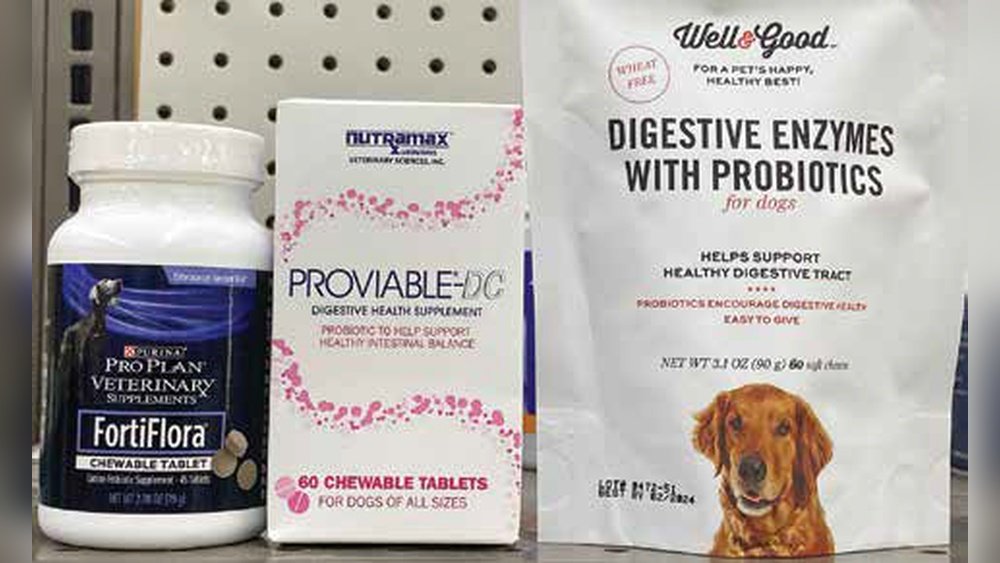
- Probiotics: A healthy gut can improve your dog’s overall skin health, making it harder for fleas to bite.
- Coconut oil rubs: Some owners massage coconut oil into their dog’s fur. It soothes skin and can help repel fleas. Use a small amount and brush out excess.
- Homemade flea traps: Place a shallow dish of soapy water near a night light. Fleas jump toward the light and drown in the water.
Insider insight: Fleas are more active at night, so focus cleaning and trapping efforts in the evening for best results.
Natural Flea Prevention And Multi-pet Homes
If you have more than one pet (dogs, cats, or even rabbits), treat all at the same time. Otherwise, fleas will move from one to another.
- Check with your vet before using any new product on cats—many dog-safe oils are toxic to felines.
- Wash all pet bedding together and clean shared spaces more often.
Monitoring Progress: How To Tell If It’s Working
Keep a simple log of your efforts:
- Number of fleas or flea dirt found each week
- Changes in your dog’s scratching or skin condition
- Any reactions to new sprays or foods
Within 4-6 weeks, you should see a clear drop in flea numbers if your routine is working. If not, review your steps or ask your vet for advice.
Myths About Natural Flea Prevention
Some common myths can lead to disappointment or even harm:
- “Garlic works for all dogs.” Too much garlic can be toxic. Only use if your vet approves.
- “Vinegar alone will cure flea problems.” Vinegar can repel, but won’t kill eggs or larvae.
- “Essential oils are always safe.” Some oils are toxic if not used correctly or in the wrong amounts.
Trust proven methods, and always check reliable sources, such as the ASPCA.
Natural Flea Prevention For Puppies And Sensitive Dogs
Young puppies and sensitive dogs need extra care:
- Avoid essential oils and strong herbs until 12 weeks old.
- Focus on frequent bathing, cleaning, and safe yard treatments like diatomaceous earth.
- Always dry puppies thoroughly after baths to prevent chills.
If you’re unsure, ask your vet for safe options based on your dog’s age and health.
The Future Of Natural Flea Prevention
Research is ongoing into new plant-based repellents and eco-friendly yard treatments. Many owners now combine natural methods with technology, such as vacuum robots or smart collars, for even better results.
Natural flea prevention is not just a trend. It’s a growing movement among pet owners who want to protect their pets, their families, and the environment.

Credit: tropiclean.com
Frequently Asked Questions
How Long Does It Take For Natural Flea Prevention To Work?
Natural methods usually take a few weeks to show clear results. With regular cleaning, grooming, and yard care, you should see fewer fleas within 4-6 weeks. Severe infestations may need extra help from your vet.
Are Essential Oils Safe For All Dogs?
Not all essential oils are safe. Some, like tea tree or pennyroyal, can be toxic. Always dilute oils and test a small area first. Never use essential oils on puppies, pregnant dogs, or dogs with health issues without your vet’s advice.
Can I Use Natural Flea Prevention With Chemical Products?
Yes, but use caution. Some natural products can interact with chemicals, causing skin irritation. If you need to use both, separate their use by several days and watch your dog for any reaction.
Does Apple Cider Vinegar Kill Fleas?
Apple cider vinegar does not kill fleas, but it can help repel them by making your dog’s skin less attractive. Combine ACV with cleaning and other prevention steps for the best effect.
What Should I Do If Natural Methods Don’t Control Fleas?
If fleas continue after 4-6 weeks of natural prevention, check your routine for missed steps (like not cleaning bedding or the yard). For severe infestations, ask your vet about safe short-term chemical treatments, then return to natural routines for prevention.
Keeping fleas away from your dog naturally is possible with patience and the right habits. By understanding flea behavior and using a full approach, you can protect your pet and enjoy a healthy, happy home together.