When a dog completes a course of antibiotics, many pet owners feel both relief and worry. The infection might be gone, but what about the side effects? Antibiotics are powerful medicines, but they don’t target only harmful bacteria. They also disturb the good bacteria living in your dog’s gut.
This often leads to problems like diarrhea, poor appetite, and lower immunity. That’s why many veterinarians recommend probiotics for dogs after antibiotics. But what exactly are probiotics? How do they help? And what’s the right way to use them for your furry friend’s recovery?
In this guide, you’ll get clear answers, real examples, and expert advice to help your dog’s digestive system bounce back strong.
Why Dogs Need Probiotics After Antibiotics
Antibiotics are lifesavers. They fight bacteria that cause infections, helping your dog heal. But antibiotics do not know the difference between “bad” bacteria (the infection) and “good” bacteria (the friendly microbes in the gut). When antibiotics wipe out both, problems can start:
- Digestive upset: Loose stools, gas, or constipation can appear.
- Loss of appetite: Dogs may eat less or refuse food.
- Weaker immune system: About 70% of the immune system lives in the gut.
- Increased risk of new infections: Without good bacteria, harmful microbes can return.
The gut is much more than a food tube—it’s a control center for health. When its balance is lost, a domino effect happens. Your dog may seem “off,” less playful, or more tired than usual. Even mild changes in gut health can make your dog more vulnerable to allergies, itchy skin, or even mood changes.
Probiotics—live, friendly bacteria—can help restore balance. They refill the gut with healthy microbes. This helps digestion, boosts immunity, and lowers the chance of ongoing issues after antibiotics.
A less obvious benefit: A healthy gut helps your dog get more nutrients from food. This is especially important after illness, when your dog needs to rebuild strength. Some pet owners notice their dog’s coat improves or their breath smells fresher after gut health is restored.
What Are Probiotics?
Probiotics are live microorganisms, usually bacteria, that bring health benefits when given in the right amounts. In dogs, the most common probiotics come from the Lactobacillus and Bifidobacterium families. They are found in some foods, supplements, and even special dog treats.
How do they work? Probiotics “move in” to your dog’s gut. They help crowd out harmful bacteria, support the gut lining, and create a better environment for digestion. Think of them like friendly neighbors who keep troublemakers away and help keep the neighborhood clean.
Some key benefits include:
- Improving digestion and stool quality
- Reducing diarrhea (especially after antibiotics)
- Supporting immune response
- Lowering stress-related gut problems
Probiotics also produce short-chain fatty acids, which nourish the cells that line your dog’s colon. This helps keep the gut wall strong—an important line of defense against germs. In addition, certain strains help break down food components (like fiber) that your dog’s own body cannot digest on its own.
A practical example: If your dog is prone to stress (during travel, vet visits, or changes at home), probiotics can help minimize stress-triggered diarrhea. Some research suggests probiotics may even help dogs with sensitive skin by lowering inflammation in the body.

Credit: petwellnessdirect.com
How Antibiotics Affect The Dog’s Gut
The gut is home to trillions of bacteria. These microbes break down food, make vitamins, and fight harmful germs. When antibiotics are given, they kill both the harmful and the helpful bacteria. This sudden change is called dysbiosis.
Signs of gut imbalance after antibiotics:
- Diarrhea or soft stool
- Gas and bloating
- Loss of appetite
- Lethargy
- Unusual bad breath
In some cases, dogs may develop antibiotic-associated diarrhea (AAD). This can last a few days or even weeks after the antibiotics are finished. Gut imbalance can also make it easier for new infections (like yeast or “bad” bacteria) to take hold.
Another effect many owners miss: a change in behavior. The gut and brain are connected by the “gut-brain axis.” Some dogs become more anxious, restless, or less interested in play when their gut is out of balance. You may also see duller eyes or changes in sleeping habits.
Dogs with sensitive digestive systems, puppies, and seniors are most likely to show these problems. Even if your dog does not have diarrhea, you might notice more frequent grass eating, licking lips, or noisy stomach sounds—these are subtle signs of gut trouble.
Types Of Probiotics For Dogs
Not all probiotics are the same. For dogs, you will find different types:
- Lactic acid bacteria: Like Lactobacillus acidophilus and Bifidobacterium animalis. These are common in dog-specific probiotic supplements.
- Bacillus species: Such as Bacillus coagulans. These are spore-forming, so they survive better in the gut.
- Enterococcus faecium: Often used in veterinary probiotics for its strong gut support.
- Yeast-based probiotics: For example, Saccharomyces boulardii, which can help reduce antibiotic-related diarrhea.
There are also probiotic foods like plain yogurt or kefir, but these are not always the best option for all dogs (especially those with dairy sensitivity).
Each type has its own strengths. For example, Bacillus coagulans is very stable—it can survive high heat and stomach acid, making it a good choice for dogs with tough stomachs or those who spit out medicine. Saccharomyces boulardii is a yeast, not a bacteria, so it is not harmed by antibiotics. This makes it excellent for use during or right after antibiotic treatment.
A less obvious detail: Some products mix several strains to cover different needs. Multi-strain probiotics may offer broader support, but for some dogs, a single-strain product (like Enterococcus faecium) gives better results for diarrhea.
Signs Your Dog Needs Probiotics After Antibiotics
How do you know if your dog needs probiotics after antibiotics? Watch for these common signs:
- Loose stools or diarrhea
- Excessive gas or bloating
- Reduced appetite
- Changes in energy
- Unusual itching or licking
- Bad breath
Even if your dog seems fine, probiotics can help prevent problems before they start. Dogs with sensitive stomachs, puppies, seniors, or those with chronic health issues may benefit the most.
A practical tip: Look for small changes, not just major symptoms. For example, a dog who suddenly starts eating grass, licking paws, or whining before meals could be showing early signs of gut upset. Some dogs may become “picky” with food, or suddenly dislike treats they used to love.
Owners often notice a difference in their dog’s mood after gut health is restored. A dog that seemed grumpy or less social may become more playful and happy once their digestion improves.
Choosing The Right Probiotic For Your Dog
There are many probiotic products for dogs on the market. Here is what you should look for:
1. Species And Strain
The label should list the specific bacteria species and strain, such as Lactobacillus acidophilus NCFM. Some strains are better for diarrhea, while others help with immunity.
If a product only lists “probiotics” or “Lactobacillus” without a strain name, it’s less trustworthy. Strain-specific products are more likely to have been tested for safety and results in dogs.
2. Cfu Count
CFU means colony forming units—the number of live bacteria in each dose. For dogs, look for at least 1 billion CFUs per serving.
Very high CFU counts (like 10 or 20 billion) are not always better. For some sensitive dogs, too many bacteria at once can cause loose stool or gas. Start with the label dose, and increase only if your vet advises.
3. Dog-specific Formulas
Human probiotics are not always safe for dogs. Choose products made just for dogs, as they contain strains tested for canine health.
Dog formulas often add flavors dogs like (such as liver or chicken), which makes giving the probiotic less stressful. Human formulas may contain sweeteners or other additives unsafe for dogs.
4. Expiry Date And Storage
Check the expiry date. Some probiotics need to be kept in the fridge, while others are shelf-stable.
Probiotics lose power over time. Always use before the expiry date, and follow any storage instructions. Powdered forms may last longer than liquids.
5. Added Ingredients
Avoid probiotics with lots of fillers, sugars, or artificial flavors. Some products add prebiotics (fiber that feeds good bacteria), which can be a plus.
If your dog has allergies or a sensitive stomach, check the ingredient list for chicken, beef, or dairy—these are sometimes used as flavorings.
Sample Comparison Of Dog Probiotic Types
Here is a simple comparison to help you understand the differences:
| Probiotic Type | Common Strain(s) | Best For | Special Notes |
|---|---|---|---|
| Lactic Acid Bacteria | Lactobacillus, Bifidobacterium | General gut health, mild diarrhea | Most common in dog supplements |
| Spore-forming Bacteria | Bacillus coagulans | Antibiotic-associated diarrhea | More resistant to stomach acid |
| Yeast-based | Saccharomyces boulardii | Severe diarrhea, antibiotic recovery | Helpful for tough cases |
How To Give Probiotics To Dogs After Antibiotics
Timing, dose, and consistency matter when giving probiotics.
When To Start
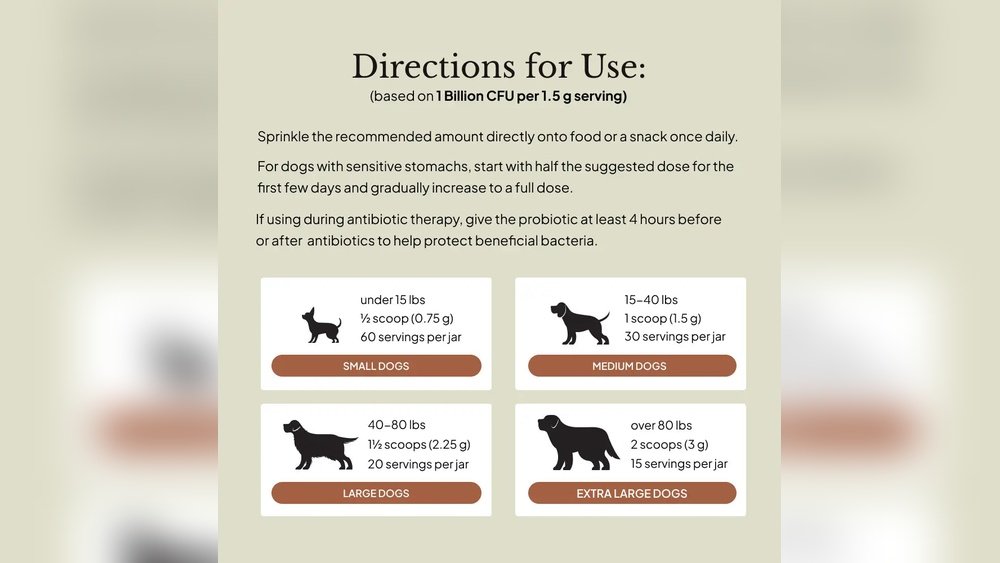
You can start probiotics during the antibiotic course or immediately after. Some vets recommend starting both together, but always give probiotics at least 2 hours apart from the antibiotic dose. This reduces the chance the antibiotic will kill the probiotic bacteria.
If you start during antibiotics, you may see milder side effects and a faster return to normal stools. For dogs with sensitive stomachs, starting right after antibiotics is also effective, as long as you don’t wait too long.
How Long To Give
A typical course lasts 2 to 4 weeks after antibiotics end. Some dogs with sensitive guts may need longer.
If your dog has a history of gut problems, your vet may suggest a longer course (up to 8 weeks). If you see steady improvement, it’s okay to continue a lower “maintenance” dose for a few extra weeks.
Ways To Give Probiotics
- Powder: Sprinkle on food, easy to mix.
- Capsules/Tablets: Hide in treats or use pill pockets.
- Chews: Tasty for picky eaters, often look like treats.
- Liquid: Mix into food or water, but check for flavor.
Some powders and liquids have no taste or smell, making them easy to hide in wet food. Chews are great for dogs who spit out pills, but always check the calorie count if your dog is overweight.
Dosage
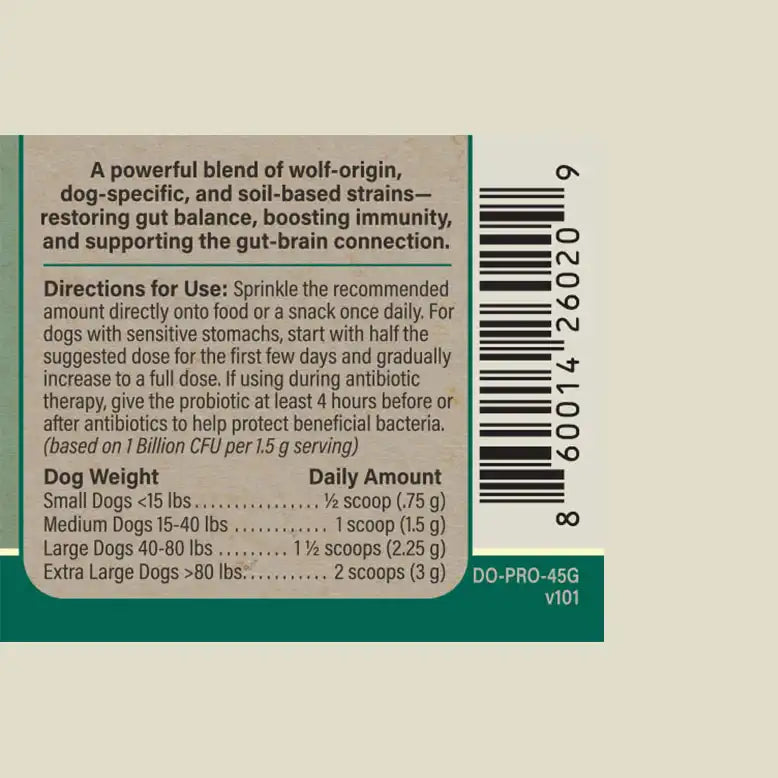
Follow the label or your vet’s advice. More is not always better, and some dogs can get mild gas or bloating if started on a high dose.
If your dog is small or very sensitive, you can start with half the recommended dose for the first few days, then increase.
Real-life Example
After a 10-day course of antibiotics for a skin infection, Max (a 3-year-old Labrador) developed loose stool and lost his appetite. His owner began a dog-specific probiotic with Lactobacillus acidophilus at 2 billion CFUs daily. Within 5 days, his stool firmed up, and his appetite improved.
Another example: Sasha, a 10-year-old mixed breed, got antibiotics for a dental cleaning. Her owner started a chewable probiotic with Bifidobacterium animalis right after. Sasha’s digestion stayed normal, and she returned to her playful self within a week.
Benefits Of Probiotics For Dogs After Antibiotics
Probiotics offer several science-backed benefits for dogs recovering from antibiotics:
- Reduces diarrhea: Studies show probiotics can cut antibiotic-related diarrhea by up to 50%.
- Restores gut balance: They help refill the gut with healthy bacteria.
- Boosts immunity: A balanced gut supports better immune response.
- Improves nutrient absorption: Healthy bacteria help break down food better.
- Reduces risk of yeast overgrowth: Probiotics crowd out yeast and harmful bacteria.
Dogs often recover faster and experience fewer side effects with the right probiotic support.
A less obvious benefit: Some probiotics help reduce “doggy odor” caused by gut imbalance. Owners often report that their dog’s breath smells fresher and their coat looks shinier after a few weeks.
Additionally, research shows that dogs given probiotics after antibiotics are less likely to develop skin infections or itchy hot spots, since the gut microbiome helps control inflammation throughout the body.
Risks And Side Effects Of Probiotics
Probiotics are usually safe for healthy dogs. However, there are some things to watch for:
- Mild gas or bloating: Common in the first few days.
- Allergic reaction: Rare, but can happen if your dog is sensitive to certain ingredients.
- Infection risk: Extremely rare, but dogs with weakened immune systems (from cancer or immune disease) should use probiotics only with a vet’s supervision.
If you notice vomiting, severe diarrhea, or other worrying symptoms, stop the probiotic and contact your vet.
For dogs with very sensitive stomachs, start with a lower dose and increase slowly. If your dog is on immunosuppressive drugs, always ask your vet before starting probiotics—rarely, some bacteria can cause problems in these cases.
A less-known risk: Some probiotic supplements may be contaminated if not made in a clean facility. Always choose reputable brands with good reviews.
Common Mistakes When Giving Probiotics
Many dog owners want the best for their pets, but it’s easy to make mistakes:
- Using human probiotics: Not all strains are safe or effective for dogs.
- Wrong timing: Giving probiotics at the same time as antibiotics lowers their effect.
- Stopping too soon: The gut needs time to heal, so finish the full course.
- Overdosing: More is not always better and can upset the stomach.
- Choosing low-quality brands: Some products contain few live bacteria, or none at all.
Non-obvious tip: Always check if the product has a “guaranteed live CFU count at expiration.” Some brands only guarantee live bacteria at the time of manufacture, but most will be dead by the time you use them.
Another common mistake: Not considering your dog’s food allergies. Some probiotics contain beef, chicken, or dairy as flavorings—these can cause problems for sensitive dogs.
Foods With Natural Probiotics For Dogs
Some foods contain natural probiotics. However, not all are safe or suitable for dogs.
Safe Options
- Plain, unsweetened yogurt: Can help, but use only small amounts and avoid if your dog is lactose intolerant.
- Kefir: A fermented milk drink, lower in lactose than yogurt.
- Fermented vegetables: Like sauerkraut, in very small amounts.
If you want to try these foods, always start with a tiny amount (half a teaspoon for small dogs, one teaspoon for large dogs) and watch for any signs of stomach upset.
Foods To Avoid
- Flavored yogurts: Too much sugar, sometimes toxic additives (like xylitol).
- Pickled foods: High salt and spices can harm dogs.
- Aged cheeses: Some are okay in tiny amounts, but high fat/salt can upset the gut.
Remember, probiotic supplements are usually more reliable and safer than foods alone.
Non-obvious tip: Goat’s milk kefir is often better tolerated than cow’s milk yogurt, especially for dogs with sensitive stomachs.
When To See A Vet
Probiotics help most dogs, but sometimes the problem is more serious. Contact your vet if:
- Diarrhea lasts more than 3 days
- Your dog refuses food or water for over 24 hours
- Blood in stool or vomit
- Signs of dehydration (dry gums, sunken eyes)
- Sudden behavior change
Your vet may recommend a different probiotic, more testing, or a special diet.
In rare cases, gut symptoms after antibiotics can signal a severe imbalance or another infection, such as Clostridium difficile. Quick action can prevent bigger problems.
Probiotics And Prebiotics: What’s The Difference?
Both are important for gut health, but they are not the same.
- Probiotics: Live bacteria that add to the gut.
- Prebiotics: Fiber or nutrients that feed the good bacteria already in the gut.
Some supplements contain both, called synbiotics. Common prebiotics include inulin and FOS (fructooligosaccharides). These help probiotics grow and work better.
A practical example: Feeding a probiotic with added prebiotics (such as a chew with chicory root) may help dogs recover faster after antibiotics, because the prebiotics help the new bacteria “set up home” in the gut.
Science Behind Probiotics For Dogs
Research on dog probiotics is growing. Studies have found:
- Dogs given probiotics after antibiotics recover normal stool faster.
- Certain strains, like Enterococcus faecium, reduce the risk of antibiotic-associated diarrhea.
- Probiotics can lower inflammation and improve the gut lining’s healing.
- Dogs with chronic gut problems (like IBD) may benefit from long-term probiotic use.
A study published in the Journal of Veterinary Internal Medicine showed that dogs given Saccharomyces boulardii after antibiotics had 40% fewer days of diarrhea compared to those given a placebo.
Other research has found that probiotics may help reduce allergic responses and even lower the risk of urinary tract infections, because a healthy gut can “train” the immune system to react less strongly to common triggers.
How Long Does It Take For Probiotics To Work?
Most dogs show improvement within 3 to 7 days of starting probiotics. Some may need a few weeks for full gut balance. If your dog does not improve after two weeks, check with your vet—another type of probiotic or a different treatment may be needed.
It’s important to track your dog’s progress. Keeping a simple diary of stool quality, appetite, and mood can help you (and your vet) spot trends and make the best choices.
Some dogs with chronic gut problems may need a longer course, or a rotation of different probiotic strains for best results.
Are Probiotics Safe For All Dogs?
Probiotics are safe for most healthy dogs. However, they may not be suitable for:
- Dogs with severe immune system disease
- Dogs with very severe or bloody diarrhea (see a vet first)
- Puppies under 6 weeks old (unless directed by a vet)
- Dogs with allergies to dairy or yeast
If you are unsure, always ask your vet first.
Non-obvious tip: Some dogs with “leaky gut” or chronic inflammation may react to certain probiotic strains. If you see extra itching, hives, or red skin, stop the probiotic and talk to your vet about trying a different formula.

Credit: www.puntooptico.com
How To Store And Handle Dog Probiotics
Probiotics are delicate. To keep them working:
- Store as instructed—many need refrigeration.
- Keep away from heat, light, and moisture.
- Use clean hands or utensils to avoid contamination.
- Check the expiry date before use.
If a probiotic smells odd or changes color, do not use it.
A less obvious tip: Storing probiotics in the door of the fridge can cause temperature swings. Keep them on a middle shelf for best stability.
Cost Of Probiotics For Dogs
The cost varies by brand, dose, and form. On average:
- Powdered probiotics: $15–$40 per month
- Chews or tablets: $20–$50 per month
- Veterinary brands: $30–$70 per month
Buying in bulk or subscription can save money. But never choose a product just because it’s cheap—quality is more important.
Also, look at the number of servings per container. Some “cheaper” brands have smaller doses, so you may need to give more to reach the recommended amount.
Real-world Dog Owner Stories
Hearing from other dog owners can offer helpful insights.
- Bella’s recovery: After a round of antibiotics for a urinary infection, Bella, a 6-year-old Beagle, developed soft stools. Her owner tried a probiotic powder with Enterococcus faecium. Bella’s digestion returned to normal within a week, and she stayed energetic.
- Max’s story: Max, a senior Husky, struggled with repeated antibiotic courses for skin allergies. His owner started a probiotic chew with Bacillus coagulans and noticed fewer stomach upsets and better coat quality.
Another story: Luna, a young Spaniel, had antibiotics for a respiratory infection. Her owner used a probiotic blend with both Lactobacillus and Bifidobacterium. Luna never developed diarrhea, and her appetite stayed strong.
These stories show that while results vary, many dogs feel better with the right probiotic support.
Comparing Popular Probiotic Supplements For Dogs
With so many products, it’s hard to know which to trust. Here is a side-by-side look at three popular dog probiotics:
| Brand | Probiotic Strains | CFU Count | Form | Main Benefit |
|---|---|---|---|---|
| Purina FortiFlora | Enterococcus faecium | 100 million | Powder | Digestive support after antibiotics |
| Nutramax Proviable-DC | 7 strains (Lactobacillus, Bifidobacterium, Enterococcus) | 5 billion | Capsule | Broad gut health |
| Zesty Paws Probiotic Bites | Bacillus coagulans | 3 billion | Chew | Tasty, easy for picky eaters |
When comparing, also look for third-party testing or seals of approval from veterinary organizations.
How Probiotics Work With Other Supplements
Some dogs need other supplements after antibiotics, such as:
- Digestive enzymes: Help break down food
- Omega-3 oils: Lower gut inflammation
- Fiber supplements: Improve stool quality
You can use probiotics with these, but start one at a time to watch for side effects. Mixing many new supplements can make it harder to see what helps.
If your dog is on prescription medicine, always check with your vet before adding supplements. Some fiber products can slow down how fast the gut moves, which may change how quickly a probiotic works.
Probiotic Myths And Facts
Myth 1: “All probiotics are the same.”
Fact: Strain, CFU, and formula make a big difference in results.
Myth 2: “Human probiotics work just as well.”
Fact: Dogs need strains tested for their own gut.
Myth 3: “Probiotics cure all gut problems.”
Fact: They help, but don’t fix everything. Diet, stress, and other factors matter.
Myth 4: “More is always better.”
Fact: Too high a dose can upset the gut.
A final myth: “You only need probiotics during antibiotics.” In fact, some dogs benefit from ongoing, low-dose probiotics for long-term gut health, especially those with allergies, stress, or frequent infections.
Probiotic Use In Puppies And Senior Dogs
Puppies and older dogs have more sensitive guts. They often need probiotics after antibiotics to avoid tummy troubles.
For Puppies
- Start with lower doses
- Use dog-specific products
- Avoid dairy-based probiotics if unsure about lactose tolerance
Puppies benefit from probiotics that support immune development. Some research shows early use can lower the risk of allergies later.
For Senior Dogs
- Choose gentle strains (like Bifidobacterium)
- Watch for signs of constipation or slow digestion
- Support with extra hydration
Senior dogs sometimes have slower digestion, making them more prone to gut imbalance after antibiotics. Probiotics can help keep their appetite and energy steady.
The Role Of Diet In Gut Recovery
Probiotics work best with a good diet.
- Feed highly digestible food (avoid sudden changes)
- Include prebiotic fiber (pumpkin, sweet potato)
- Avoid table scraps, greasy foods, and too many treats
- Offer plenty of fresh water
A bland diet (like boiled chicken and rice) can help in the first few days after antibiotics, but switch back to balanced dog food as soon as possible.
Another tip: Adding a spoonful of plain canned pumpkin or mashed sweet potato gives gentle fiber that supports gut healing.
Questions To Ask Your Vet About Probiotics
- Which probiotic strain is best for my dog’s health history?
- How long should I give probiotics after antibiotics?
- Can I use probiotics with other medicines my dog is taking?
- Are there any side effects I should watch for?
- What signs mean I should stop the probiotic and call you?
A less obvious question: Ask your vet about the best time of day to give probiotics. Some dogs do better with probiotics given with their main meal, while others do better on an empty stomach.
Latest Research And Future Trends
The science of probiotics for dogs is still growing. New studies are looking at:
- Custom probiotic blends for each dog’s unique gut bacteria
- Probiotics to help with allergies and skin problems
- Using probiotics to support mental health in anxious dogs
Experts believe that soon, vets will be able to recommend “personalized” probiotics based on a dog’s DNA and gut bacteria profile.
There’s also research into “postbiotics”—compounds made by probiotics that may deliver health benefits without the need for live bacteria. This could help dogs who cannot tolerate live probiotics.
For more on the science of probiotics, see this research review.
Practical Tips For Success With Probiotics
- Start probiotics slowly and increase the dose as your dog gets used to them.
- Mix the supplement into a favorite food to encourage eating.
- Give at least 2 hours apart from antibiotics for best effect.
- Track your dog’s stool, appetite, and energy during recovery.
- If using a new brand, watch for signs of intolerance.
Non-obvious tip: Even after your dog’s gut seems “back to normal,” continuing probiotics for another week can help prevent relapse.
A second tip: Keep a photo log of your dog’s stool during recovery. This can help your vet make better decisions if there’s a setback.
Frequently Asked Questions
What Is The Best Probiotic For Dogs After Antibiotics?
The best probiotic depends on your dog’s needs. Look for a dog-specific product with strains like Lactobacillus acidophilus, Bacillus coagulans, or Enterococcus faecium. It should have at least 1 billion CFUs and no artificial additives.
How Long Should I Give My Dog Probiotics After Antibiotics?
Most dogs need 2 to 4 weeks of probiotics after finishing antibiotics. Some may need longer, especially if they had severe tummy problems or repeated antibiotic courses.
Can I Give My Dog Yogurt As A Probiotic?
Plain, unsweetened yogurt can offer some probiotics, but it’s not as reliable or potent as a supplement. Many dogs are sensitive to lactose. For best results, use a probiotic made for dogs.
Will Probiotics Stop My Dog’s Diarrhea?
Probiotics often help reduce antibiotic-associated diarrhea, but not all cases respond. If diarrhea is severe, lasts over 3 days, or has blood, see your vet.
Are Human Probiotics Safe For Dogs?
Not all human probiotics are safe for dogs. Some strains may not survive in a dog’s gut, and some formulas may contain unsafe ingredients. Always choose a vet-recommended, dog-specific probiotic for best results.
When your dog needs to recover from antibiotics, probiotics can make a real difference. They help refill the gut with friendly bacteria, improve digestion, and boost your pet’s natural defenses. By choosing the right product, starting at the right time, and supporting your dog with good food and care, you’ll give your furry friend the best chance for a quick, smooth recovery.
With a little patience and the right information, your dog’s gut will be healthy, happy, and ready for many more adventures together.
Credit: www.proactivepaws.com