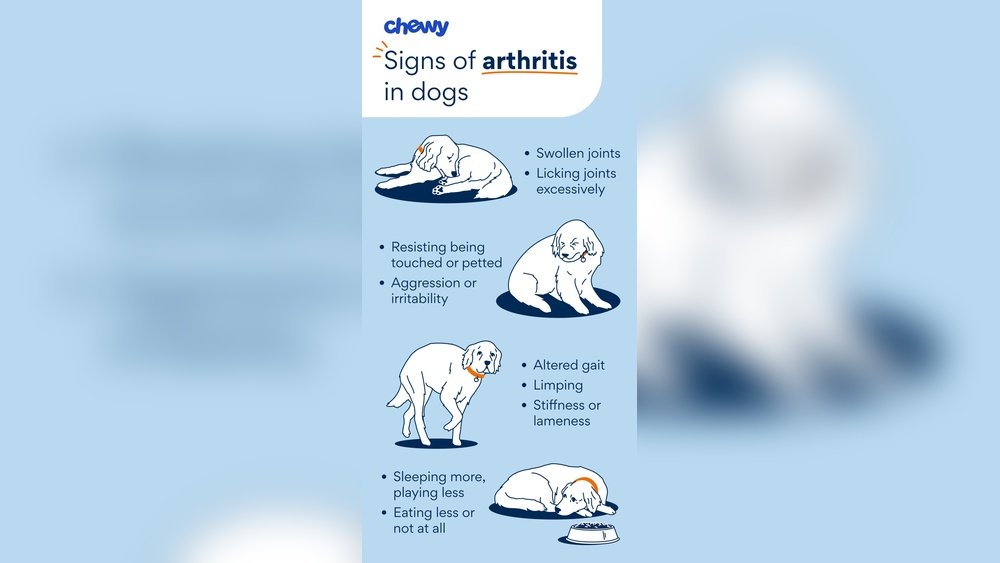
If you share your life with a dog, you know how much their happiness and energy mean to you. Dogs don’t always tell us when something is wrong, but their bodies do. One common health problem in dogs—especially as they age—is arthritis.
Many owners think arthritis is only about “stiff joints,” but its signs can be subtle or mistaken for normal aging. Recognizing arthritis early can make a huge difference in your dog’s comfort and health.
This article explores the full range of signs of arthritis in dogs, why they happen, and what you can do if you notice them. You’ll find in-depth information, practical advice, and insights most owners miss. By the end, you’ll feel confident in spotting arthritis symptoms and taking the right steps for your furry friend.
What Is Arthritis In Dogs?
Arthritis, also called osteoarthritis or degenerative joint disease, is a condition where a dog’s joints become inflamed and the cartilage wears down. Cartilage is the smooth tissue that allows joints to move easily. As it breaks down, bones rub against each other, causing pain, swelling, and less movement.
Arthritis is common in older dogs but can affect young dogs, too—especially after injuries or in certain breeds. It is a progressive disease, which means it gets worse over time if left untreated.
Some key facts about arthritis in dogs:
- It affects at least one in five adult dogs.
- Larger breeds and overweight dogs are more likely to develop it.
- Early intervention can slow the disease and improve quality of life.
Why Early Detection Matters
Many owners think a slower or less active dog is just “getting old.” But early arthritis often starts with small changes. Recognizing signs early lets you:
- Slow down joint damage.
- Reduce pain with simple changes.
- Avoid expensive emergencies later.
Most importantly, you can help your dog stay happier and more active for years.
The Most Common Signs Of Arthritis In Dogs
Dogs can’t say, “My joints hurt.” But their actions, mood, and even body language reveal clues. Some signs are obvious, while others are easy to miss. Here are the main signals to watch for:
1. Stiffness, Especially After Rest
A dog with arthritis often has trouble getting up after lying down. You might notice:
- Slow, stiff movement when your dog first wakes up.
- Difficulty rising from their bed or after a nap.
- Looser movement after “warming up” for a few minutes.
This stiffness usually improves as the dog moves but returns after more rest. It’s a classic early sign.
2. Limping Or Favoring A Leg
Limping is one of the clearest signs of joint pain. Dogs may:
- Favor one leg, especially after exercise.
- Hold a paw off the ground.
- Switch which leg they limp on (because arthritis can affect multiple joints).
Note: Sometimes dogs hide their limp if they’re excited or distracted. Watch them in quiet moments.
3. Reluctance To Move Or Exercise
A once-active dog who now avoids walks, stairs, or play may be hurting. Common examples include:
- Stopping on walks or refusing to go far.
- Hesitating before jumping into the car or onto furniture.
- Less interest in chasing balls or toys.
Some owners believe their dog is “just getting lazy,” but this change often signals discomfort.
4. Difficulty Climbing Stairs Or Jumping
Arthritic dogs often struggle with activities that require extra joint effort, such as:
- Climbing stairs (may pause, hesitate, or avoid entirely).
- Jumping into cars or onto beds (might need help or refuse).
- Slipping on slick floors.
You may see them try once, then stop or look to you for support.
5. Swollen Or Warm Joints
Inflammation makes joints look puffy or feel warmer than usual. Signs include:
- Joints (like elbows, knees, or hips) that appear larger.
- Warmth when you gently touch the area.
- Flinching or pulling away when you touch certain spots.
This swelling can be hard to see in long-haired dogs but is a strong sign of joint trouble.
6. Changes In Walking Or Posture
Watch for subtle differences in your dog’s gait or how they hold themselves:
- Short, choppy steps instead of smooth strides.
- Arched back, lowered head, or unusual tail position.
- Shifting weight away from a painful leg.
These changes happen as dogs try to protect sore joints.
7. Muscle Loss Around Joints
Because arthritis hurts, dogs use sore legs less. Over time, this leads to muscle wasting:
- Thinner muscles, especially around hips or shoulders.
- One leg looking smaller than the other.
- Weakness or shaking when standing up.
Muscle loss often goes unnoticed but is a major sign of ongoing pain.
8. Licking, Chewing, Or Biting Joints
Dogs often lick or chew at areas that hurt. Look for:
- Red or stained fur over joints.
- Sores or calluses from repeated licking.
- Chewing at feet or legs for no clear reason.
This behavior can also mean allergies, so check for other signs too.
9. Irritability Or Behavior Changes
Pain changes how dogs act. You might notice:
- Growling or snapping when touched near sore joints.
- Less patience with children or other pets.
- Hiding or wanting to be left alone.
Some dogs become more anxious or restless. These shifts can be easy to miss or blame on aging.
10. Trouble Getting Comfortable
Dogs with arthritis often take longer to settle down. Signs include:
- Circling repeatedly before lying down.
- Getting up and changing position often.
- Whining, sighing, or shifting at night.
They may avoid their usual sleeping spots if those are harder to reach.
11. Slowed Or Awkward Movements
Look for movements that seem cautious or uncoordinated:
- Moving more slowly, even when excited.
- Dragging toes or scuffing nails on the ground.
- Losing balance or slipping more easily.
These subtle changes often appear before more obvious symptoms.
12. Reduced Appetite
While not as common, some dogs eat less because pain makes them feel unwell. Watch for:
- Skipping meals or eating less than usual.
- Less excitement at feeding times.
- Weight loss without a clear cause.
If appetite drops along with other signs, arthritis could be the reason.
13. Vocalizing When Moving
A dog in significant pain might yelp, whine, or bark when:
- Standing up or lying down.
- Climbing stairs.
- Jumping or running.
Any new noises with movement deserve attention.
14. Changes In Grooming Habits
Dogs may stop grooming sore areas or have messy fur because reaching is difficult. Signs include:
- Matted hair around hips or shoulders.
- Dirty or unkempt coat.
- Trouble scratching or licking certain spots.
This is often overlooked but points to discomfort.
15. Accidents In The House
Some dogs have trouble getting outside fast enough due to joint pain. Watch for:
- Urinating or defecating indoors after years of good behavior.
- Hesitating to go outside in bad weather (cold makes joints hurt more).
- New anxiety about using stairs or steps to reach the yard.
While accidents can have other causes, joint pain is a common one in senior dogs.
Less Obvious Signs Most Owners Miss
Some signals of arthritis are easy to overlook, especially in the early stages. Here are two less obvious clues:
- Subtle mood changes: A dog might become slightly quieter, sleep more, or show less interest in family activities. This withdrawal is often gradual and mistaken for old age.
- Reluctance to be touched: Dogs may start to avoid petting, grooming, or handling—especially near the back, hips, or legs. If your dog used to love belly rubs and now moves away, pain could be the reason.
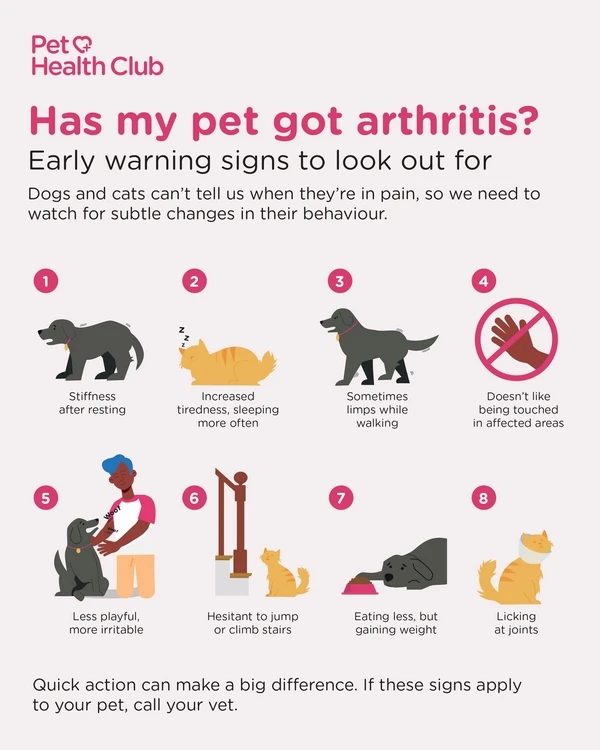
Credit: www.pethealthclub.com
Risk Factors For Canine Arthritis
Understanding what increases your dog’s risk can help you spot problems sooner. Main factors include:
- Age: Most cases appear in dogs over 7, but young dogs with injuries or joint problems are at risk too.
- Breed: Large breeds (like Labradors, German Shepherds, and Golden Retrievers) are more prone due to their size and genetics.
- Weight: Overweight dogs put more stress on their joints, speeding up damage.
- Injury History: Past injuries (like fractures or ligament tears) raise the risk.
- Genetics: Some breeds have inherited joint issues (like hip dysplasia).
- Activity Level: Dogs with high-impact exercise histories may develop arthritis earlier.
How Vets Diagnose Arthritis
You may notice signs, but only a vet can confirm arthritis. Diagnosis usually involves:
- Physical Exam: The vet checks your dog’s joints for pain, swelling, heat, and movement.
- X-rays or Imaging: These show joint damage, cartilage loss, and bone changes.
- Joint Fluid Analysis: Rarely, vets check for infection or other diseases.
Your description of changes at home is also very important. Vets may ask about your dog’s energy, exercise, and behavior.

Credit: www.hydrocanine.com.sg
How Arthritis Progresses Over Time
Arthritis is usually a slow process. It may begin with small changes and gradually worsen. Here’s a typical timeline:
| Stage | Common Signs | Owner Action |
|---|---|---|
| Early | Stiffness after rest, subtle limping | Monitor, see vet if symptoms persist |
| Moderate | Obvious limp, muscle loss, less activity | Start treatment, lifestyle changes |
| Advanced | Constant pain, severe mobility loss | Advanced therapies, pain management |
Catching arthritis early is vital for slowing this progression.
What To Do If You Notice Signs
If you think your dog has arthritis, here’s what you should do:
- Keep a diary: Write down changes in mobility, mood, and behavior. Include when you see limping or stiffness, and what makes it better or worse.
- See your vet: Bring your notes and describe all changes, even small ones.
- Don’t self-medicate: Never give human painkillers—they can be dangerous.
- Ask about treatments: Modern options include safe pain relief, joint supplements, physical therapy, and weight management plans.
How Arthritis Affects Your Dog’s Life
Arthritis isn’t just a “joint problem.” It changes many aspects of your dog’s day:
- Less play and exercise can lead to weight gain and weaker muscles.
- Pain can cause stress, anxiety, or depression.
- Avoiding movement may lead to other health problems, like sores or infections.
Dogs are experts at hiding pain. By the time a dog shows clear signs, they may have been hurting for a while. That’s why early action is essential.
Preventing And Managing Arthritis
While you can’t always stop arthritis, you can reduce its impact. Some practical steps:
- Keep your dog at a healthy weight. This is the single most important thing you can do. Extra pounds increase joint stress.
- Provide soft, supportive bedding. Avoid hard floors or slippery surfaces.
- Use ramps or steps for cars and furniture to reduce jumping.
- Gentle, regular exercise helps keep joints moving and muscles strong. Swimming is especially good.
- Joint supplements (like glucosamine and chondroitin) may help slow cartilage damage—ask your vet before starting.
- Regular checkups catch problems early.
Comparing Arthritis With Other Joint Problems
Not all joint pain is arthritis. Other problems can look similar, such as ligament injuries, infections, or immune diseases. Here’s how they compare:
| Condition | Main Signs | Typical Age | Key Difference |
|---|---|---|---|
| Osteoarthritis | Stiffness, gradual limp, muscle loss | Middle-aged to older | Progresses slowly over time |
| Ligament Tear | Sudden severe limp, swelling | Any age | Often starts after injury |
| Joint Infection | Swelling, fever, severe pain | Any age | Often rapid onset, may have fever |
If your dog has a sudden, severe limp or fever, see your vet right away.
Myths And Misunderstandings About Dog Arthritis
Many owners believe arthritis is “just old age” or untreatable. Here are some common myths:
- “It’s normal for old dogs to slow down.” While some slowing is natural, arthritis pain is not. Most senior dogs can stay active with good care.
- “Painkillers are too risky.” Modern medications are much safer than in the past. Your vet can help choose the right one.
- “Supplements are all you need.” Supplements may help but work best with other treatments.
- “Nothing can be done.” There are many options, from physical therapy to surgery, depending on severity.
Real-world Examples
Consider these examples to see how arthritis can look different in each dog:
- Bella, a 9-year-old Golden Retriever: Her owner noticed she hesitated at the stairs and took longer to get up. She still played fetch but got tired quickly. After a vet visit, arthritis was diagnosed and a new exercise plan plus medication helped her return to normal activities.
- Max, a 6-year-old Labrador: Max started licking his hips and avoiding his favorite couch. His owner thought he was just “slowing down.” When Max began limping, x-rays showed moderate arthritis. After weight loss and joint supplements, Max moved more freely.
- Chloe, a 12-year-old Poodle: Chloe began having accidents indoors and seemed more anxious. The vet found severe arthritis in her spine and hips. Adding ramps, soft bedding, and anti-inflammatory medication made her much more comfortable.
These cases show that early action and small changes can make a big difference.
Treatment Options And Outlook
Today, there are many ways to help dogs with arthritis live active, happy lives:
- Pain relief: Medications like NSAIDs (non-steroidal anti-inflammatories) are commonly used.
- Physical therapy: Exercises, massage, and even underwater treadmill therapy.
- Weight control: Losing weight dramatically reduces joint pain.
- Supplements: Some dogs benefit from omega-3 oils, glucosamine, or green-lipped mussel.
- Surgery: For severe cases, joint replacement or repair may be possible.
Work with your vet to find the best combination for your dog. New research and therapies appear every year.
Data On Arthritis In Dogs
To understand how common and serious arthritis is, let’s look at some data:
| Breed Size | Percent Affected by Age 8 | Percent Affected by Age 12 |
|---|---|---|
| Small | 10% | 35% |
| Medium | 18% | 45% |
| Large/Giant | 28% | 60% |
This shows why early screening and management are especially important for bigger dogs.
When To See A Vet Immediately
While arthritis is usually a slow-developing condition, seek urgent vet care if your dog:
- Suddenly cannot stand or walk
- Cries out in severe pain
- Shows swelling, redness, or heat in a joint
- Develops a fever or is very lethargic
These may be signs of a more serious problem, like a torn ligament or infection, that needs quick treatment.

Credit: willoughbyveterinaryhospital.com
Supporting Your Dog At Home
Small changes at home can help your dog live better with arthritis:
- Non-slip rugs: Prevent slipping on tile or hardwood.
- Elevated food and water bowls: Reduce strain on neck and shoulders.
- Massage: Gentle rubbing can ease tension (ask your vet for guidance).
- Regular, gentle exercise: Keeps joints flexible and muscles strong.
- Warmth: Cold weather can worsen stiffness; keep your dog warm and dry.
Every dog is different. Pay attention to what helps your dog feel better.
Non-obvious Insights For Owners
Many people overlook these two important points:
- Early arthritis pain often appears during or after high activity (like playing fetch or long walks), not just at rest. If your dog is sore after exercise, don’t ignore it.
- Dogs are experts at hiding pain—especially in front of visitors or during vet visits. Quietly observe your dog’s habits at home for the best clues.
Where To Learn More
For more in-depth information on canine arthritis, visit the American Kennel Club.
Frequently Asked Questions
What Age Do Dogs Usually Get Arthritis?
Most dogs begin to show signs of arthritis after age 7, but it can develop earlier in breeds prone to joint problems or after injuries. Large breeds and overweight dogs may show symptoms as early as 5-6 years.
Can Arthritis In Dogs Be Cured?
There is no cure for arthritis, but with early diagnosis and proper management, most dogs can live full, happy lives. Treatments focus on reducing pain, slowing joint damage, and improving mobility.
What Are The First Signs Of Arthritis In Dogs?
Early signs include stiffness after rest, mild limping, reluctance to jump or climb stairs, and subtle changes in mood or activity. These signs may come and go at first, making them easy to miss.
How Can I Make My Arthritic Dog More Comfortable At Home?
Provide soft bedding, non-slip rugs, ramps for stairs or cars, and keep your dog at a healthy weight. Gentle exercise and joint supplements may help, but ask your vet for personalized advice.
Should I Walk My Dog If They Have Arthritis?
Yes, regular gentle walks are important to keep joints flexible and muscles strong. Avoid high-impact exercise, and let your dog set the pace. If your dog seems sore after activity, reduce distance or intensity and talk to your vet.
Spotting the signs of arthritis in dogs isn’t always easy, but attentive owners can make a real difference. With early action, the right support, and veterinary guidance, dogs with arthritis can continue to enjoy life’s adventures with you.