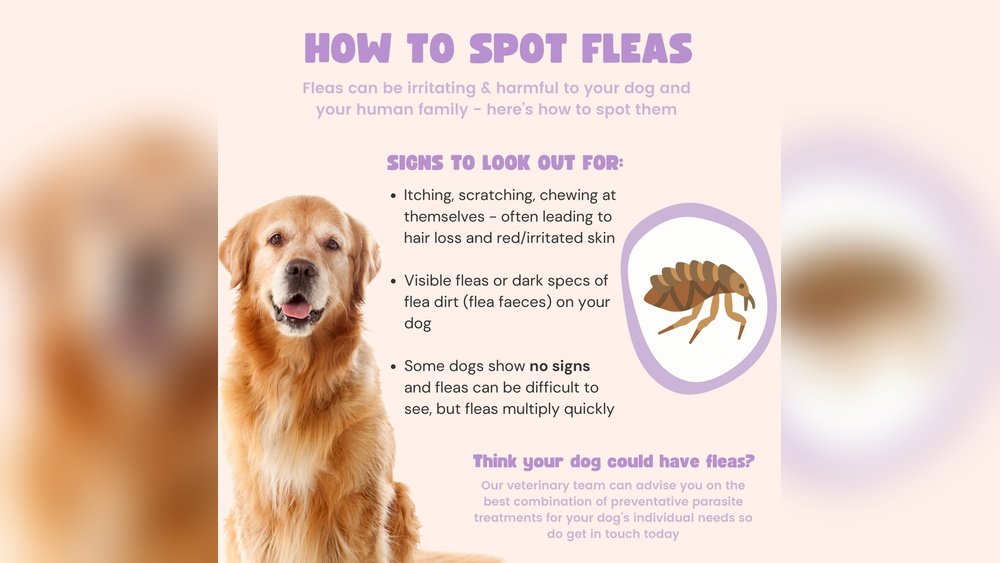
If you’re a dog owner, you care deeply about your pet’s comfort and health. But even the most well-cared-for dogs can run into problems with fleas. These tiny insects are more than just a nuisance; they can make your dog miserable, cause health issues, and even infest your home. Spotting the signs early can make all the difference. Unfortunately, many owners miss the first clues. In this article, you’ll learn exactly how to recognize when your dog has fleas, what to look for beyond the obvious scratching, and why it matters. Armed with this knowledge, you’ll be able to act quickly—and keep your dog happier and healthier.
Why Fleas Are A Serious Problem For Dogs
Fleas aren’t just annoying—they can create real health risks. These small, wingless insects feed on blood, causing constant itching and discomfort. But their impact goes further. Fleas can transmit tapeworms, cause allergic reactions, and lead to anemia in severe cases. Some dogs develop flea allergy dermatitis, a condition where just one flea bite triggers a major skin reaction. And fleas breed rapidly; a small problem can become a full-blown infestation in days.
The presence of fleas can also affect humans in the household. Some people react to flea bites with red, itchy bumps, and fleas can spread quickly from pet beds to carpets and furniture. Understanding the signs early helps protect your dog and your entire living environment.
How Dogs Get Fleas
Even if your dog rarely leaves the house, fleas can find a way in. Here are common sources:
- Contact with other animals: Play at the park, kennels, or even a quick sniff of a neighbor’s dog can be enough.
- Humans: Fleas can hitch a ride on your clothes or shoes.
- Wildlife: Squirrels, raccoons, and feral cats often carry fleas that hop off in your yard.
Fleas thrive in warm, humid climates but can survive indoors year-round. Their eggs can stay dormant for months, waiting for the right conditions to hatch.
Most Common Signs Your Dog Has Fleas
Knowing what to look for is the key to early detection. Below are the most reliable indicators, with practical guidance on how to spot them.
1. Excessive Scratching Or Biting
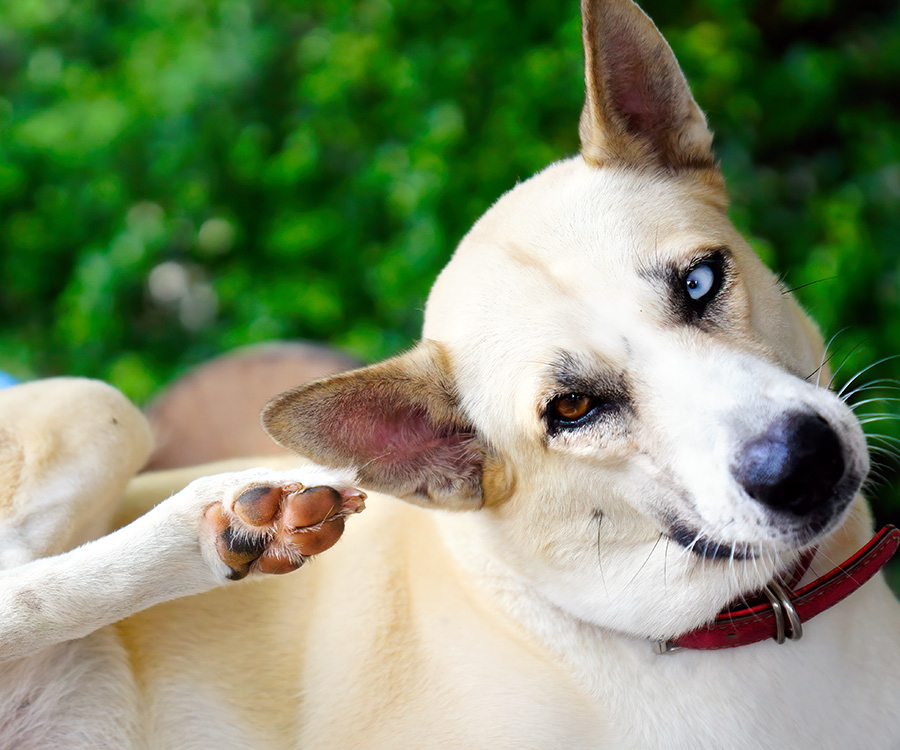
The most frequent sign is persistent scratching. Dogs often use their back legs to scratch at their neck, back, or sides. Some will bite or lick at their skin, focusing on the base of the tail or between their legs. While all dogs scratch occasionally, frequent or intense scratching is a red flag.
Pro tip: Watch for scratching that interrupts your dog’s normal activities, like play or sleep. If your dog seems restless or grumpy, it could be flea discomfort.
2. Flea Dirt
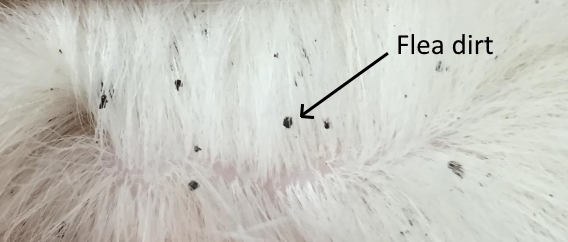
Flea dirt is a polite term for flea feces, which look like tiny black or dark brown specks. You may spot these on your dog’s skin, bedding, or grooming tools.
To check for flea dirt:
- Stand your dog on a white towel.
- Brush their fur, especially near the base of the tail.
- Black specks that turn red when wet (as they contain digested blood) are a strong sign of fleas.
3. Visible Fleas
Adult fleas are about 2-3 mm long, reddish-brown, and move quickly. They prefer areas with less hair, such as the belly, inner thighs, or armpits. Part the fur and look closely; you might see fleas crawling or jumping.
Beginner insight: Fleas are hard to spot on thick or dark fur. Don’t be discouraged if you don’t see them at first—other signs can be just as telling.
4. Red, Inflamed Skin
Flea bites cause irritation. You might see small red bumps, rashes, or patches of inflamed skin. These are most common around the tail base, lower back, abdomen, and inner thighs. In severe cases, the skin may look raw or develop sores from constant scratching.
5. Hair Loss
Persistent scratching and biting can lead to bald spots. Common areas for hair loss include:
- Base of the tail
- Back legs
- Sides and belly
If your dog is losing hair in these areas, fleas are a likely culprit.
6. Hot Spots
A hot spot is a localized area of inflamed, infected skin. They are moist, red, and often painful. Dogs tend to lick or chew these spots, making them worse. Flea bites are a leading cause of hot spots, especially in dogs with sensitive skin.
7. Restlessness And Behavioral Changes
Some dogs become restless or irritable when they have fleas. They may pace, seem unable to settle, or avoid lying down on their usual beds. This agitation is a response to constant discomfort.
8. Pale Gums
Severe flea infestations can cause anemia, especially in puppies or small dogs. An easy check: gently lift your dog’s upper lip and look at their gums. Healthy gums are pink. If they appear pale or white, consult your vet immediately.
9. Scabs And Skin Lesions
Repeated flea bites and scratching can lead to scabs or open sores. These can become infected if not treated. Look for crusty patches, especially in areas your dog can easily reach with their mouth or paws.
10. Fleas In Bedding Or Home
Fleas don’t just live on your dog. Check your dog’s bedding, blankets, and favorite resting spots for small black specks, flea dirt, or even live fleas. Flea eggs are tiny and white, often found in the seams of fabric.
11. Unexplained Allergic Reactions
Some dogs develop flea allergy dermatitis—an overreaction to flea saliva. Even a single bite can cause intense itching, redness, and swelling. These dogs may not have many fleas, but the reaction is severe.
12. Tapeworm Segments
Fleas can carry tapeworms. If your dog is infected, you may see small, rice-like segments around their anus or in their stool. Tapeworms are often a sign your dog has eaten an infected flea.
13. Increased Grooming
Dogs will often lick or chew themselves more when fleas are present. This is especially common in breeds with longer coats, where owners may notice damp or stained fur from excessive grooming.
14. Changes In Appetite Or Energy
In heavy infestations, your dog may seem tired or less interested in food. This is especially a risk for puppies, seniors, or dogs with other health issues.
15. Biting At The Tail Base
Many dogs focus their biting at the base of the tail—a favorite spot for fleas. You might notice fur loss, redness, or scabs in this area.
How To Check Your Dog For Fleas At Home
If you suspect fleas, a careful home check can give you quick answers. Here’s a step-by-step process:
- Gather tools: Use a fine-toothed flea comb, white towel, and a bowl of soapy water.
- Choose the right location: Good lighting helps. Lay the towel under your dog.
- Comb slowly: Focus on the neck, back, tail base, and belly. Comb down to the skin.
- Watch for fleas and flea dirt: Tap the comb over the towel. Look for moving specks or black debris.
- Test for flea dirt: Wet any black specks. If they turn reddish-brown, you’ve found flea dirt.
- Dispose of findings: Dip the comb in soapy water to kill any fleas.
Expert tip: Even if you don’t find fleas, persistent itching or skin problems mean you should consult your vet. Some signs can mimic other conditions.
Differences Between Flea Infestation And Other Skin Issues
Not all itching or scratching means fleas. Dogs can have allergies, mites, or skin infections that look similar. Here’s a comparison to help you distinguish:
| Sign/Symptom | Fleas | Allergies | Mites |
|---|---|---|---|
| Flea dirt present | Yes | No | No |
| Visible insects | Sometimes | No | Rarely (mites are microscopic) |
| Location of itching | Tail base, thighs, belly | Paws, face, ears, belly | Ears, face, elbows |
| Hair loss patches | Common | Possible | Common |
| Response to flea treatment | Improves | No change | No change |
Non-obvious insight: Dogs with allergies can scratch more than flea-infested dogs, even without fleas present. Always check for multiple signs.
What Flea Bites Look Like On Dogs
Flea bites are small, red bumps, often surrounded by irritated skin. Sometimes, you’ll see a cluster of bites rather than just one. These bumps are usually found:
- On the lower back
- Around the tail
- On the inner thighs
- On the abdomen
Some dogs develop pustules (small pus-filled bumps) if the skin gets infected. Frequent scratching can break the skin, leading to scabs and raw patches.
Flea Life Cycle And Why It Matters
Understanding the flea life cycle helps explain why infestations are hard to control. Fleas go through four stages:
- Egg: Laid on the dog, but often fall off into bedding or carpets. Make up about 50% of an infestation.
- Larva: Hatch from eggs, avoid light, and feed on organic material and flea dirt.
- Pupa: Cased in a sticky cocoon, can survive for months.
- Adult: Emerges when conditions are right, jumps onto a host, and starts feeding.
This means treating your dog alone isn’t enough—you must also treat the environment, as most fleas are not on your pet but in your home.
Health Risks Fleas Pose To Dogs
Fleas are more than a comfort issue—they bring real health risks. Here are the most important to know:
Flea Allergy Dermatitis
Some dogs are allergic to flea saliva. Just a single bite can cause days of intense itching, redness, and swelling. These dogs often develop thickened skin and chronic sores.
Tapeworm Infection
If a dog swallows an infected flea, they can develop tapeworms. Signs include scooting, weight loss, or finding rice-like segments near the anus.
Anemia
Heavy infestations can lead to anemia, especially in puppies or small breeds. Symptoms include weakness, pale gums, and lethargy. In rare cases, anemia can be life-threatening.
Secondary Infections
Broken skin from scratching can let bacteria in, leading to skin infections. These may require antibiotics and can become serious if untreated.
Transmission Of Diseases
Fleas can carry other organisms that cause diseases such as Bartonella (cat scratch fever), which can affect dogs and humans.
Credit: www.hartz.com
When To See A Veterinarian
It’s always wise to contact your veterinarian if:
- You see no improvement after flea treatment
- Your dog develops sores, scabs, or hair loss
- Gums appear pale, or your dog is very weak
- There are signs of tapeworms or other parasites
- Your puppy, senior dog, or chronically ill pet is affected
Vets can confirm flea infestations, recommend safe treatments, and check for complications.
The Hidden Dangers Of Untreated Fleas
Many owners hope fleas will go away on their own, but this rarely happens. Untreated fleas:
- Breed rapidly: One female lays up to 50 eggs per day.
- Cause ongoing discomfort and stress.
- Increase the risk of secondary infections and allergies.
- Can infest your home, making eradication harder and more expensive.
Non-obvious insight: Flea eggs can survive in carpets, cracks, and bedding for months, so skipping treatment can set you up for ongoing problems.
How To Prevent Fleas
Prevention is always better than cure. Here are proven strategies:
- Use veterinarian-approved flea preventatives: These come as topical treatments, oral medications, or collars. Consistency is key.
- Clean your home: Vacuum floors, carpets, and furniture regularly. Wash pet bedding in hot water.
- Check your dog frequently: Especially after walks, trips to the park, or contact with other animals.
- Treat all pets: Even indoor-only animals can get fleas.
- Control fleas outdoors: Keep grass short, remove debris, and limit your dog’s access to wild animals.
Flea Control Products: What Works And What Doesn’t
Not all products are equal. Here’s a comparison of common flea control methods:
| Product Type | Effectiveness | Duration | Notes |
|---|---|---|---|
| Topical treatments | High | 1 month | Apply to skin; kills fleas and eggs |
| Oral medications | Very high | 1-3 months | Quick action; some are prescription-only |
| Flea collars | Moderate to high | 6-8 months | Choose vet-recommended brands |
| Shampoos | Short-term | Few days | Helps with immediate relief |
| Sprays/powders | Variable | Few days to weeks | Best for home, not just the pet |
| Natural remedies | Low to moderate | Varies | Should not replace proven treatments |
Beginner mistake: Relying on natural remedies alone often fails. Always use vet-approved products for reliable control.
Credit: www.pdsa.org.uk
How Fast Can Fleas Multiply?
Fleas have a powerful reproductive cycle:
- A single female can lay up to 2,000 eggs in her lifetime.
- Eggs hatch in 2–14 days, depending on temperature and humidity.
- Larvae mature in 5–20 days.
This means that in just a few weeks, a single flea can lead to thousands in your home. Rapid action is crucial.
What To Do If You Find Fleas On Your Dog
Here’s a practical step-by-step guide:
- Begin treatment immediately: Use a vet-approved flea medication. Follow instructions exactly.
- Treat all pets: Even if they don’t show signs, fleas can move between animals.
- Deep clean your home: Wash all pet bedding, vacuum thoroughly, and empty the vacuum outside.
- Continue preventive care: Don’t stop after fleas disappear. Use preventatives year-round.
- Monitor for recurrence: Fleas may persist for a few weeks as eggs hatch.
Expert tip: Always consult your vet before using multiple products together, as some combinations can be harmful.

Credit: www.paradisepointanimalhospital.com
Why Early Detection Matters
Catching fleas early makes treatment simpler and less stressful. The longer an infestation lasts, the harder it is to remove. Early action means:
- Less discomfort for your dog
- Lower risk of complications
- Easier home cleaning
- Less cost and effort overall
Fleas And Your Home Environment
Fleas rarely stay only on pets. Here’s how they spread:
- Eggs and larvae drop into carpets, cracks, and furniture.
- Adult fleas can jump up to 150 times their body length.
- Human bites are common, especially on ankles or legs.
Regular cleaning reduces risk. Consider professional pest control for severe infestations.
Common Myths About Fleas
Many owners believe fleas are a sign of poor hygiene. In reality, any dog can get fleas, no matter how clean your home is. Other myths include:
- Fleas die in winter: Fleas survive indoors all year.
- Indoor dogs are safe: Fleas can enter on shoes, clothes, or other pets.
- One treatment is enough: Regular prevention is necessary.
For more science-backed information, visit VCA Animal Hospitals.
Frequently Asked Questions
How Do I Know For Sure If My Dog Has Fleas?
Check for several signs: excessive scratching, flea dirt (black specks), and live fleas, especially near the tail base. Comb your dog over a white towel and look for moving specks or debris that turns red when wet.
Are Fleas Dangerous To Humans?
Yes, fleas can bite humans, causing itchy red bumps. They can also spread diseases like Bartonella, but this is rare. The main risk is discomfort and infestation in the home.
Can My Dog Get Fleas In Winter?
Absolutely. Fleas thrive indoors, where heating creates a warm, humid environment. Year-round prevention is essential, even in cold climates.
Do All Dogs Scratch If They Have Fleas?
No. Some dogs, especially those with thick coats or less sensitive skin, may show only mild symptoms. Others develop severe reactions even from a single bite.
What Is The Best Way To Prevent Fleas?
Use vet-approved flea preventatives regularly, clean your home, and check your dog often. Treat all pets in the household and keep outdoor areas tidy.
If you stay alert for these signs and act quickly, you’ll keep your dog comfortable and your home flea-free. Early detection and consistent prevention are the best ways to protect the health and happiness of your furry friend.