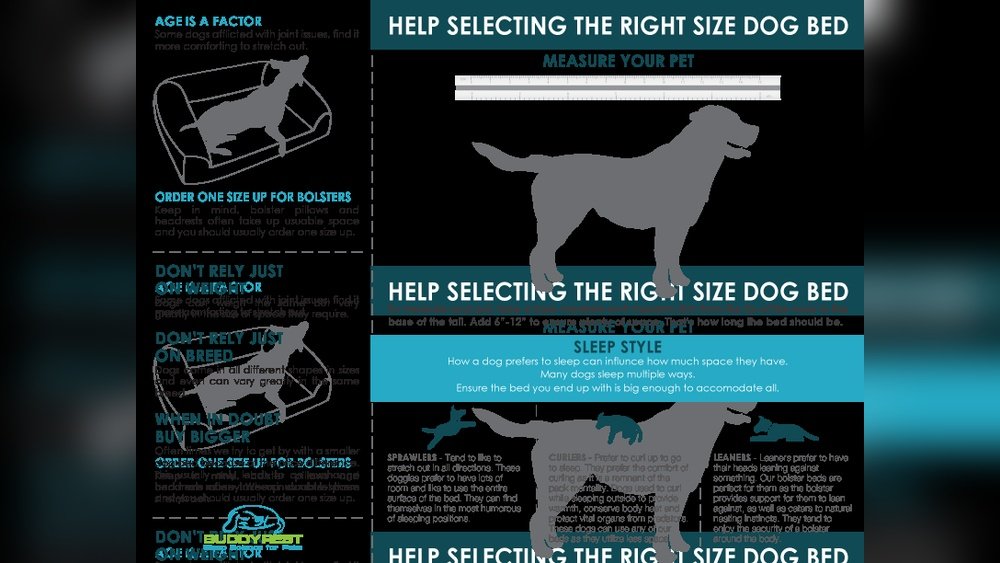
Choosing the right size dog bed is more important than many pet owners realize. The right bed gives your dog a safe, comfortable place to rest. The wrong size can make your dog restless, anxious, or even sore. If you buy a bed that’s too small, your dog may avoid it.
Buy one that’s too big, and your dog might not feel secure. The best dog bed fits your dog’s size, sleeping style, age, and health needs. But with so many sizes and styles on the market, it’s easy to feel lost.
This guide walks you through everything you need to know to pick the perfect size dog bed for your furry friend.
Why Dog Bed Size Matters
A dog’s bed is more than just a place to sleep. It’s their private space for relaxation and comfort. When your dog has the right bed, you’ll notice they sleep better, feel calmer, and may even have fewer joint problems as they age.
On the other hand, a bed that’s the wrong size can lead to poor sleep, joint pain, or behavior issues.
For example, large breeds like Labradors or Golden Retrievers need enough room to stretch out. If their limbs hang over the edge, this can cause sore joints. Smaller breeds like Chihuahuas or Yorkies often prefer a snug bed that makes them feel secure. Puppies and older dogs have unique needs, too, which makes the right size bed even more essential.
Common Dog Bed Sizes Explained
Dog beds come in several standard sizes. Each manufacturer may have slight differences, but most fall into these categories:
| Bed Size | Dog Weight Range | Common Breeds | Typical Dimensions (inches) |
|---|---|---|---|
| Small | Up to 25 lbs | Pomeranian, Dachshund, Yorkie | 22″ x 17″ – 26″ x 19″ |
| Medium | 25-45 lbs | Cocker Spaniel, Beagle, French Bulldog | 30″ x 20″ – 34″ x 22″ |
| Large | 45-85 lbs | Border Collie, Labrador, Boxer | 36″ x 23″ – 42″ x 28″ |
| Extra Large | 85+ lbs | Great Dane, Mastiff, St. Bernard | 48″ x 30″ – 60″ x 36″ |
Keep in mind these are just general guidelines. Always check the manufacturer’s sizing chart and adjust for your own dog’s preferences and unique needs.
How To Measure Your Dog For A Bed
Measuring your dog is the best way to find the right bed size. Guessing based on breed alone can lead to mistakes, especially if your dog is larger or smaller than average for their breed.
- Measure Length: With your dog standing, measure from the tip of their nose to the base of their tail. This gives the minimum bed length.
- Measure Height: Measure from the floor to the top of your dog’s shoulders. This helps if your dog likes to sprawl.
- Add Extra Space: Add 6-12 inches to the length measurement. This gives your dog room to stretch out.
- Consider Sleeping Position: If your dog curls up, a smaller bed with raised sides may be fine. If they sprawl, pick a larger, rectangular bed.
A quick tip: Try laying out a blanket on the floor, encourage your dog to lie down as they normally sleep, and measure the space they take up. This gives a real-world view of the bed size they need.
Matching Bed Size To Your Dog’s Sleeping Style
Dogs have different sleeping positions, and the best bed size depends on these habits:
- Curled up: Dogs who sleep in a ball or “donut” often prefer smaller, oval beds with raised edges.
- Sprawled out: Dogs who stretch their legs out need larger, rectangular beds.
- Back sleepers: Some dogs sleep on their backs with all four legs in the air. They need more space and usually prefer flat beds.
- Leaners: Dogs who like to rest against something prefer bolster beds with raised edges.
Understanding your dog’s favorite sleeping style is one of the most overlooked steps when choosing bed size.
Special Considerations For Puppies And Older Dogs
Young puppies and senior dogs have unique needs that affect bed size:
- Puppies: They grow quickly. Many owners buy a bed to fit the puppy’s adult size or use a smaller, temporary bed and upgrade later.
- Seniors: Older dogs may have arthritis or joint pain. They need enough space to get comfortable, and orthopedic beds with extra cushioning often help.
If you have a puppy, it’s smart to buy a bed they can grow into, or choose one with adjustable sides. For older dogs, a little extra space makes it easier to get in and out of bed.
How Different Dog Bed Types Affect Size
The type of bed you choose also affects what size is best. Here are the most common types:
1. Standard Cushion Beds
These flat, pillow-like beds are great for most dogs. Sizing is simple: match the bed to your dog’s measured length plus extra room to stretch.
2. Bolster Beds
Bolster beds have raised sides. Measure your dog as usual, but remember the inner sleeping area is smaller than the outer dimensions.
3. Donut Or Nest Beds
These round beds with raised edges are cozy for dogs who curl up. The inner diameter is what matters. Make sure your dog fits inside the sleeping area, not just the total bed size.
4. Orthopedic Beds
These beds use memory foam or other supportive materials. Since they’re usually flat, follow your dog’s full length plus extra space.
5. Heated Or Cooling Beds
These are often thinner and may run small. Always check the sleeping surface, not just the product’s outer measurements.
Each type requires careful checking of the actual sleeping space, not just what’s listed on the packaging.
Does Breed Really Determine Bed Size?
Breed is a helpful starting point, but it’s not the only factor. Dogs of the same breed can be different sizes. For example, a large French Bulldog might need a medium bed, while a smaller one may fit in a small. Mixed breeds often fall between standard sizes.
Instead, use breed as a general guide, but always measure your dog for the best fit.
Real-world Examples: Matching Dogs To Bed Sizes
To make sizing more practical, let’s look at some real-world examples:
- Bella the Beagle: Weighs 30 lbs, measures 24” nose to tail. She likes to sprawl. A medium (at least 30” long) rectangular bed fits her best.
- Max the German Shepherd: Weighs 85 lbs, 36” long, likes to sleep on his side. A large or extra-large bed, around 42” x 28” or bigger, gives enough room.
- Lola the Pug: Weighs 18 lbs, curls into a tight ball. A small, round donut bed with a 22” inner diameter is perfect.
- Rocky the Great Dane: Weighs 120 lbs, stretches out a lot. Needs an extra-large bed, at least 48” x 30”.
These examples show why both weight and sleeping style matter.
Comparing Top Dog Bed Sizes
To make it easier to pick, here’s a comparison of bed sizes with typical breeds and sleeping positions:
| Bed Size | Best For Breeds | Sleeping Style | Recommended Dimensions |
|---|---|---|---|
| Small | Chihuahua, Yorkie, Maltese | Curlers | 22″ x 17″ |
| Medium | Beagle, Cocker Spaniel, Sheltie | Any | 30″ x 20″ |
| Large | Border Collie, Husky, Boxer | Side Sleepers, Sprawlers | 36″ x 23″ |
| Extra Large | Great Dane, Mastiff | Sprawlers | 48″ x 30″ |
Mistakes Dog Owners Make When Choosing Bed Size
Even experienced owners sometimes pick the wrong size. Here are the most common mistakes:
- Relying only on weight: Weight alone doesn’t account for long-legged or tall dogs.
- Ignoring sleeping habits: A bed that fits a curled-up dog may be too small when they stretch out.
- Not checking inner dimensions: Especially with bolster or donut beds, the sleeping area is smaller than the bed’s outside.
- Forgetting about growth: Puppies outgrow beds quickly, and some breeds grow for up to two years.
- Choosing for looks: Picking a bed that matches your decor is tempting, but comfort and size should come first.
Avoiding these mistakes can save you money and keep your dog happier.
Adjusting For Multiple Dogs Or Shared Beds
If your dogs like to sleep together, you’ll need a larger bed. Measure the space both dogs take up when lying down side by side, then add 6-12 inches. For three or more dogs, consider two beds or an extra-large “sofa” style bed.
One insight: Some dogs don’t actually want to share, even if they nap close together on the floor. Try a larger bed first, but watch to see if one dog always chooses the floor. You may need more than one bed.
How Dog Weight And Build Affect Bed Choice
A dog’s weight and body type change what “large” or “small” mean. A short, heavy dog like a Bulldog may need a sturdier, thicker bed than a long, lean Whippet of the same weight.
- Heavier dogs need beds that won’t flatten over time. Look for orthopedic foam that holds its shape.
- Tall, skinny dogs may need more space to stretch.
- Long-haired breeds may prefer beds with cooling fabrics.
Always consider your dog’s unique build, not just their breed or weight.
Orthopedic Beds: When Size And Support Matter Most
Orthopedic beds are designed for dogs with joint problems, arthritis, or large breeds who need more support. The right size is critical. If the bed is too small, your dog’s body weight won’t be evenly supported, which can make joint pain worse.
For orthopedic beds:
- Measure your dog’s full length (nose to tail base) while stretched out.
- Add 8-12 inches for comfort.
- Check the foam thickness. At least 4 inches is best for large or heavy dogs.
Don’t be surprised if your dog spends more time on a well-chosen orthopedic bed—comfort makes a big difference.
Dog Bed Size For Crates And Carriers
If you want a bed for a crate or travel carrier, measure the inside of the crate, not just your dog. The bed should fit snugly so your dog can move around, but not so loose that it slides.
- For crates, choose a bed that matches the crate’s length and width.
- For carriers, a thinner pad or mat often fits better than a bulky cushion.
One trick: Some owners buy a crate that’s a little bigger than needed and add a thicker bed for more comfort.

Credit: fuzipets.com
Seasonal Changes: Do You Need A Different Bed Size?
Some owners switch beds with the seasons. In summer, dogs may want more space to stretch out and stay cool. In winter, they may prefer a smaller, nest-style bed for warmth.
If you have the budget, consider two beds: a cooler, flat bed for summer and a cozy, high-sided bed for winter. Just make sure both are the right size for your dog’s measurements.
The Importance Of Material And Fill In Bed Size
Not all beds use the same fill. Polyester beds are soft but may flatten, while foam beds keep their shape. The fill can affect the actual sleeping space.
- Polyester-filled beds: May be softer but lose shape, making them feel smaller over time.
- Memory foam beds: Keep their structure, so the size stays true.
- Cotton or fiberfill: Can compress, especially for heavier dogs.
If your dog likes to knead or dig before settling, allow for extra space, as the fill will shift.
Cleaning And Maintenance: Does Size Matter?
Larger beds are often harder to clean. Before you buy a giant bed, check if the cover is removable and machine washable. Some beds are too big for a standard washing machine.
- Small beds: Easy to wash at home.
- Large/extra-large beds: May need a commercial washer, or hand cleaning.
A removable, waterproof liner helps keep the bed fresh, especially for older dogs or puppies.
How To Introduce A New Bed
Once you have the perfect size, help your dog feel comfortable with it:
- Place the bed in your dog’s favorite spot.
- Add a familiar blanket or toy.
- Encourage your dog to explore and lie down.
- Praise them when they use the bed.
If your dog ignores the bed, try placing treats on it, or move it to a different spot. Some dogs need a few days to adjust.
When To Replace Your Dog’s Bed
A bed that’s the right size today might not be in a year. Replace your dog’s bed if:
- The fill is flat and doesn’t bounce back.
- The cover is torn or smells, even after washing.
- Your dog is uncomfortable or avoids the bed.
- Your dog has grown or gained weight.
Inspect your dog’s bed every few months. Upgrading to a new, correctly-sized bed can make a big difference in your dog’s health and happiness.
Comparing Popular Dog Bed Brands And Their Sizing
Not all brands use the same measurements. Here’s how some popular brands compare:
| Brand | Small Size (inches) | Medium Size (inches) | Large Size (inches) | Extra Large (inches) |
|---|---|---|---|---|
| FurHaven | 20″ x 15″ | 30″ x 20″ | 36″ x 27″ | 44″ x 35″ |
| PetFusion | 25″ x 20″ | 36″ x 28″ | 44″ x 34″ | 50″ x 40″ |
| BarksBar | 26″ x 20″ | 32″ x 22″ | 40″ x 30″ | 50″ x 36″ |
Always check the brand’s sizing chart before you buy. A large in one brand may be medium in another.
Non-obvious Insights For Finding The Right Fit
- Try before you buy: In some pet stores, you can let your dog test out beds. This is the best way to see if your dog likes the size and shape.
- Shape matters as much as size: A long, rectangular bed works best for sprawlers, while a round or oval bed suits curlers. The wrong shape can make even a correctly-sized bed uncomfortable.
- Raised edges reduce usable space: If your dog likes to stretch, a bed with thick bolsters will have less inner room. Always check the inner area, not just outer measurements.
- Measure your car or room: If the bed is too big for your space, it will be hard to use. Make sure it fits your chosen spot at home or in your vehicle.
- Some dogs love blankets as much as beds: If your dog isn’t using their bed, try adding a blanket. The familiar scent can make a new bed more appealing.
Tips For Buying Online
Shopping for a dog bed online is convenient, but you can’t check the size in person. Here’s how to avoid mistakes:
- Read reviews from buyers with similar-sized dogs.
- Look for photos from other owners.
- Check the return policy in case the bed doesn’t fit.
- Measure your space and your dog carefully.
One smart move: Order from brands that list both the outer and inner bed dimensions. This avoids surprises when the bed arrives.

Credit: www.petplay.com
Should You Go A Size Up?
Many owners wonder if it’s better to get a bigger bed “just in case.” Sometimes, yes:
- For growing puppies, a larger bed saves money in the long run.
- For multiple dogs, a bigger bed means more sharing space.
- For dogs who change positions, extra room helps.
But for shy or anxious dogs, too large a bed can feel scary. They may feel safer in a snug space. Match the bed to your dog’s personality and habits.
What About Unusual Shapes And Custom Beds?
Some dogs have unique needs. For example, Greyhounds have long, narrow bodies and often need custom beds. Very large or odd-shaped dogs sometimes need a bed made to order.
If your dog doesn’t fit into standard beds, look for companies that offer custom sizing or make your own using foam and a washable cover.
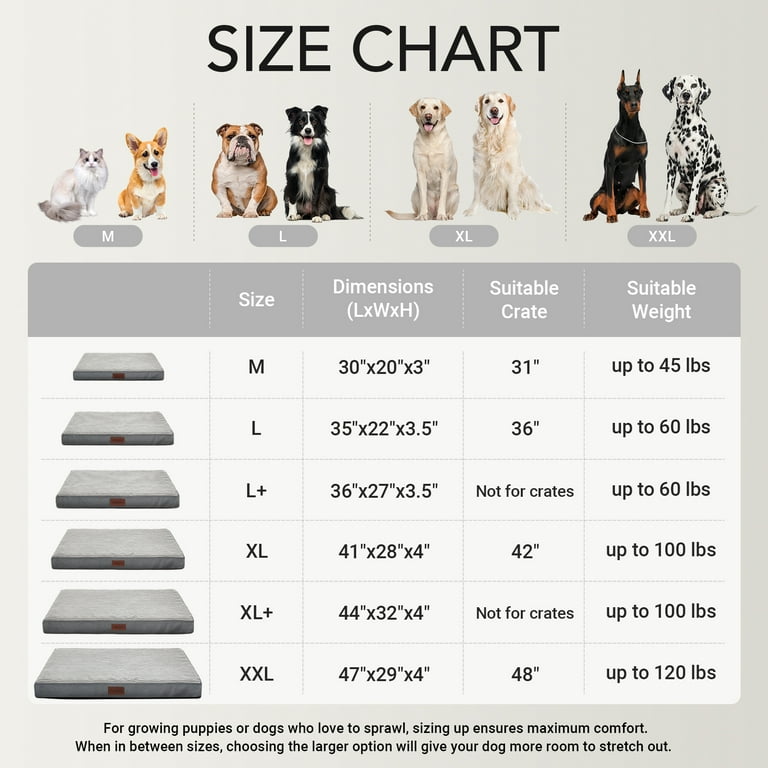
Credit: www.walmart.com
Bed Size For Outdoor Use
Outdoor beds should be bigger than indoor beds. Dogs outside may want to stretch out to cool off or curl up for warmth. Outdoor beds also need to be durable and easy to clean.
Measure your dog as usual, but add extra room, especially if your dog wears a coat in winter or uses the bed for sunbathing.
When To Seek Vet Advice About Dog Beds
If your dog has special health needs, ask your vet about the best bed size and type. For example, dogs with hip dysplasia need large, supportive beds. Dogs recovering from surgery may need extra space to avoid pressure points.
Some vets recommend orthopedic beds for all large breeds over age five. When in doubt, ask what’s best for your dog’s health.
Environmental Impact Of Bed Size
Larger beds use more materials and energy to produce. If your dog truly needs an extra-large bed, that’s fine. But if your medium dog fits comfortably in a medium bed, you’ll save resources and reduce waste.
Some companies use recycled materials, which is better for the environment. Consider this when making your purchase.
The Role Of Price In Bed Size
Bigger beds usually cost more. But the most expensive bed isn’t always the best. Focus on:
- The right size for your dog
- Quality materials
- Washability
Saving money by buying too small a bed is false economy—your dog won’t use it, and you’ll have to replace it soon.
Trusted Resources For More Information
If you want more help, check out the American Kennel Club’s advice on dog beds at AKC.org. They offer breed-specific tips and reviews to help you choose wisely.
Frequently Asked Questions
How Do I Know If My Dog’s Bed Is Too Small?
If your dog’s legs or head hang off the bed, or they avoid using it, the bed is probably too small. Dogs should be able to stretch out fully on their bed without falling off the edge.
Can A Dog Bed Be Too Big?
Yes, especially for small or anxious dogs. A very large bed can make them feel unsafe. Most dogs like a bed that matches their size, with just enough room to change positions.
How Often Should I Replace My Dog’s Bed?
Replace your dog’s bed when the fill is flat, the cover won’t come clean, or your dog seems uncomfortable. On average, every 1-2 years is common, but large or heavy dogs may need new beds more often.
What’s The Best Bed Size For Puppies?
For puppies, buy a bed they’ll grow into, or use a smaller, less expensive bed until they reach adult size. Check the breed’s expected adult length, and choose a bed based on that.
Do Orthopedic Beds Come In All Sizes?
Most orthopedic beds are available in small to extra-large. Always check both the length and thickness, as orthopedic foam matters most for larger or older dogs.
The right size dog bed can make a big difference in your pet’s comfort and health. Measure your dog, consider their sleeping style, and check both the outer and inner dimensions before you buy. The perfect bed gives your dog a safe, comfortable space to call their own—and rewards you with more peaceful nights and a happier, healthier companion.