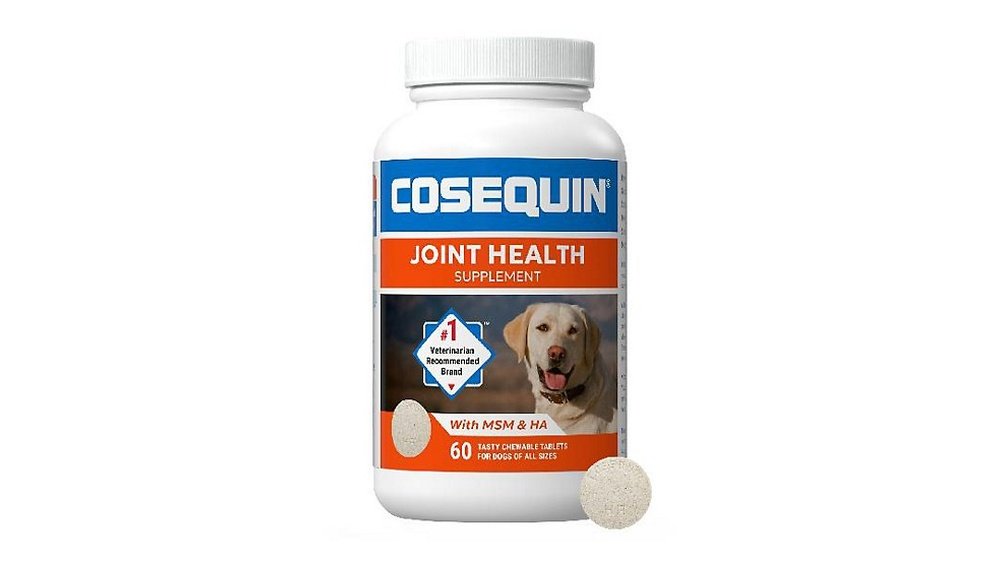
Many dog owners wonder when the right time is to start joint supplements for their furry companions. The truth is, joint health is not just a concern for older dogs—proactive care can make a big difference at every stage of life.
If you’ve noticed your dog slowing down, hesitating to jump, or becoming less playful, you might worry about their joints. But knowing exactly when to begin joint supplements can be confusing with so much advice online. Let’s clear the confusion and look at the science, expert opinions, and real-life examples so you can make the best decision for your dog’s well-being.
Why Joint Health Matters For Dogs
Dogs use their joints for nearly every movement, from running and playing to simply standing up. Healthy joints allow them to live active, happy lives. But over time, especially in certain breeds, joints can wear down. This can lead to osteoarthritis, pain, and less mobility. Preventing these problems before they start is much easier than treating them after damage has occurred. A thoughtful approach to joint care, including the possible use of joint supplements, gives your dog the best chance at a comfortable, active life.
How Dog Joints Work
A dog’s joints are complex. They have bones, cartilage, synovial fluid, and ligaments all working together. Cartilage acts as a cushion between bones. The synovial fluid keeps everything lubricated, so movements are smooth. Over time, or due to genetics, this system can break down. When cartilage wears away, bones rub together, causing pain and swelling. This is why joint health is crucial, and why supplements are sometimes used to support these structures.
What Are Joint Supplements For Dogs?
Joint supplements are products designed to support and protect a dog’s joints. They usually contain ingredients like glucosamine, chondroitin sulfate, MSM (methylsulfonylmethane), omega-3 fatty acids, and hyaluronic acid. These ingredients help reduce inflammation, support cartilage repair, and maintain joint lubrication. Some supplements also include antioxidants and herbal extracts to further support joint health.
Supplements come in different forms:
- Chewable tablets
- Powders you can mix with food
- Liquids
- Treat-like chews
Each form has its pros and cons, but the goal is the same: to keep joints working smoothly for as long as possible.
Signs Your Dog May Need Joint Supplements
Not every dog will show clear signs of joint trouble right away. But knowing what to look for can help you act early. Common signs include:
- Stiffness—especially after resting or sleeping.
- Reluctance to jump or climb stairs.
- Limping or favoring one leg.
- Slower movement—not running or playing like before.
- Difficulty rising from a lying position.
- Swollen joints.
- Behavior changes—like irritability or less interest in walks.
If you notice any of these, it’s a good idea to talk to your veterinarian. They can help you decide if joint supplements are a good idea now or if another approach is better.
When To Start Joint Supplements: Age, Breed, And Other Factors
There’s no one-size-fits-all answer. The right time depends on your dog’s age, breed, weight, activity level, and medical history. Here’s a closer look at each factor:
Age
- Puppies: Most healthy puppies do not need joint supplements unless they have a genetic risk or injury. However, some large or giant breeds may benefit from early support.
- Adult dogs (2-7 years): Many adult dogs, especially active ones, can benefit from starting joint supplements as a preventive measure.
- Senior dogs (7+ years): At this stage, joint wear is common. Starting supplements—even if there are no signs of problems—can help slow joint damage.
Breed
Certain breeds are more likely to have joint issues due to their size or body structure. Dogs at higher risk include:
- Labrador Retrievers
- German Shepherds
- Golden Retrievers
- Dachshunds
- Great Danes
- Boxers
- Rottweilers
If your dog is one of these breeds, consider starting joint supplements early—even as young as one year, especially for giant breeds.
Weight
Overweight dogs put extra stress on their joints. If your dog is above a healthy weight, joint supplements may help protect their joints from damage. But the best “joint supplement” for overweight dogs is always weight loss.
Activity Level
Dogs who run, jump, or work hard (like agility or herding dogs) put more strain on their joints. These dogs may benefit from joint supplements earlier in life, even if they’re not showing symptoms yet.
Genetics And Medical History
Some dogs have a family history of joint problems, like hip dysplasia or elbow dysplasia. If this is true for your dog, start supplements as a preventive measure—even before you see problems.
Table: When To Consider Starting Joint Supplements
| Dog Type | Suggested Start Age | Reason |
|---|---|---|
| Large/Giant Breeds | 12-18 months | High risk of joint issues |
| Active/Working Dogs | 2 years | Increased joint stress |
| Senior Dogs | 7 years | Natural joint wear |
| Overweight Dogs | Any age | Extra joint pressure |
| At-Risk Breeds | 12-24 months | Genetic predisposition |
The Science Behind Joint Supplements
Many studies have looked at the effectiveness of joint supplements for dogs. Here are some of the most common ingredients and what the science says:
Glucosamine And Chondroitin
These are the two most popular ingredients. They are natural substances found in healthy cartilage. Studies show they can help reduce inflammation and may slow cartilage breakdown. One long-term study found that dogs with arthritis given glucosamine and chondroitin moved more easily and had less pain than those given a placebo.
Msm (methylsulfonylmethane)
MSM is believed to reduce inflammation and support joint comfort. It is often included with glucosamine and chondroitin for a “triple action” effect.
Omega-3 Fatty Acids
These come from fish oil and work as natural anti-inflammatories. One study found that dogs with arthritis who got omega-3s were more active and had less joint pain.
Hyaluronic Acid
This helps lubricate the joint and can improve flexibility. It is less common than glucosamine but is sometimes included in advanced joint formulas.
Antioxidants
Ingredients like vitamin C, vitamin E, and herbal extracts (such as turmeric) help fight oxidative stress in the joints, which can slow the damage process.
Table: Common Joint Supplement Ingredients And Their Benefits
| Ingredient | Main Benefit | How It Works |
|---|---|---|
| Glucosamine | Cartilage support | Promotes repair of joint tissue |
| Chondroitin | Reduces cartilage breakdown | Blocks destructive enzymes in joints |
| MSM | Reduces inflammation | Improves comfort and flexibility |
| Omega-3s | Decreases joint inflammation | Modifies inflammatory response |
| Hyaluronic Acid | Improves joint lubrication | Increases synovial fluid viscosity |
| Antioxidants | Protects joint cells | Neutralizes free radicals |
Preventive Vs. Reactive: Is Earlier Better?
Many veterinarians now recommend a preventive approach. This means starting joint supplements before your dog shows signs of joint pain, especially for at-risk breeds. The idea is simple: it’s easier to protect healthy joints than fix damaged ones.
A common mistake is waiting until a dog shows obvious signs of pain. By then, cartilage damage may already be advanced. Supplements can still help, but their effect is stronger when started earlier.
Non-obvious insight: Some joint changes begin years before you see any symptoms. Early support can slow the invisible start of joint breakdown.
What To Expect When Starting Joint Supplements
Joint supplements are not “quick fix” medicines. They take time to work—usually 4 to 8 weeks before you see changes. The benefits can include:
- Less stiffness in the morning
- More willingness to walk or play
- Easier time getting up or lying down
- Less limping after exercise
If your dog is already in pain, your vet may suggest using medication alongside supplements at first.
Table: Timeline For Seeing Results
| Time After Starting | What to Expect |
|---|---|
| First 2 weeks | No visible change |
| 3-4 weeks | Mild improvement in mobility |
| 6-8 weeks | Noticeable reduction in stiffness and pain |
| 3+ months | Best results in joint comfort and activity |
Non-obvious insight: Not all dogs respond the same way. Some may need a different supplement blend or a higher dose. Always follow your vet’s guidance and adjust if needed.
How To Choose The Right Joint Supplement
With so many options in stores and online, picking the right supplement can be overwhelming. Focus on these factors:
- Quality and Purity: Look for brands that use high-quality ingredients and have third-party testing. Read reviews or ask your vet for recommendations.
- Active Ingredients: The label should list exact amounts of glucosamine, chondroitin, MSM, omega-3s, etc.—not just “proprietary blend.”
- Form: Chews, powders, or liquids—pick what your dog will actually eat.
- Dosage: Make sure the dosage matches your dog’s size and weight.
- No unnecessary fillers: Avoid products with lots of artificial flavors, colors, or sugar.
Comparing Popular Joint Supplement Types
- Chewable Tablets: Easy to give as a treat, but some picky dogs might refuse.
- Powders: Good for mixing into food, but exact dosing is important.
- Liquids: Easy to dose for small or very large dogs, but can be messy.
- Soft Chews: Often flavored, most dogs love them. Watch for extra calories.
If your dog has allergies or a sensitive stomach, check the ingredients carefully.
Potential Risks And Side Effects
Most joint supplements are safe for healthy dogs. But, as with any supplement, there can be side effects, especially if the wrong dose is given. Possible side effects include:
- Loose stool or diarrhea
- Upset stomach
- Allergic reactions (rare)
- Weight gain (from flavored chews with extra calories)
If your dog has diabetes, be cautious: some supplements contain sugar. Dogs with bleeding disorders should avoid high doses of omega-3s, as these can thin the blood. Always talk to your vet before starting a new supplement.
Combining Joint Supplements With Other Treatments
Joint supplements are just one part of a full joint care plan. For the best results, combine them with:
- Weight management: Keeping your dog slim reduces joint stress.
- Regular, gentle exercise: Helps keep joints flexible and muscles strong.
- Physical therapy: Your vet can recommend exercises or hydrotherapy.
- Prescription medications: For severe arthritis, your vet may suggest pain relievers or anti-inflammatories.
Supplements work best as part of a holistic approach—not a replacement for other therapies.
Myths And Common Mistakes About Dog Joint Supplements
Myth: Supplements Work Instantly
Supplements take time to build up in your dog’s system. Don’t expect overnight changes.
Myth: All Dogs Need Supplements
Not every dog needs joint supplements. Puppies and young adults with no risk factors may do fine without them. Focus on diet, exercise, and weight first.
Mistake: Using Human Joint Supplements
Never give your dog human supplements without checking with your vet. Dosages and added ingredients can be unsafe for dogs.
Mistake: Ignoring The Dose
Giving too much can cause stomach upset; too little won’t help. Always follow the label or your vet’s advice.
Real-life Examples: When Owners Started Joint Supplements
Case 1: Bella, a 4-year-old Labrador, started joint supplements after she began hesitating to jump into the car. Her owner noticed improvement in her energy after six weeks.
Case 2: Max, a 2-year-old German Shepherd, has a parent with hip dysplasia. His owner started supplements early, on the vet’s advice, even though Max had no symptoms. Max is now 6 and still moves with ease.
Case 3: Daisy, a 9-year-old Beagle, was overweight and slow to rise in the mornings. After losing weight and starting joint supplements, Daisy became more playful and alert.
How Veterinarians Decide When To Recommend Joint Supplements
Veterinarians look at the whole picture: breed, age, weight, activity, genetics, and any existing joint problems. They may suggest starting supplements in these cases:
- Large breed puppies or young adults
- Dogs with early signs of joint discomfort
- Active or working dogs
- Senior dogs (even without symptoms)
- Dogs with a family history of joint disease
Some clinics use x-rays or joint exams to check for early signs. If your vet is unsure, they might suggest a trial of supplements and monitor for improvement.
For more on veterinary guidelines, you can check the American College of Veterinary Surgeons’ position on joint health (ACVS Osteoarthritis Resource).
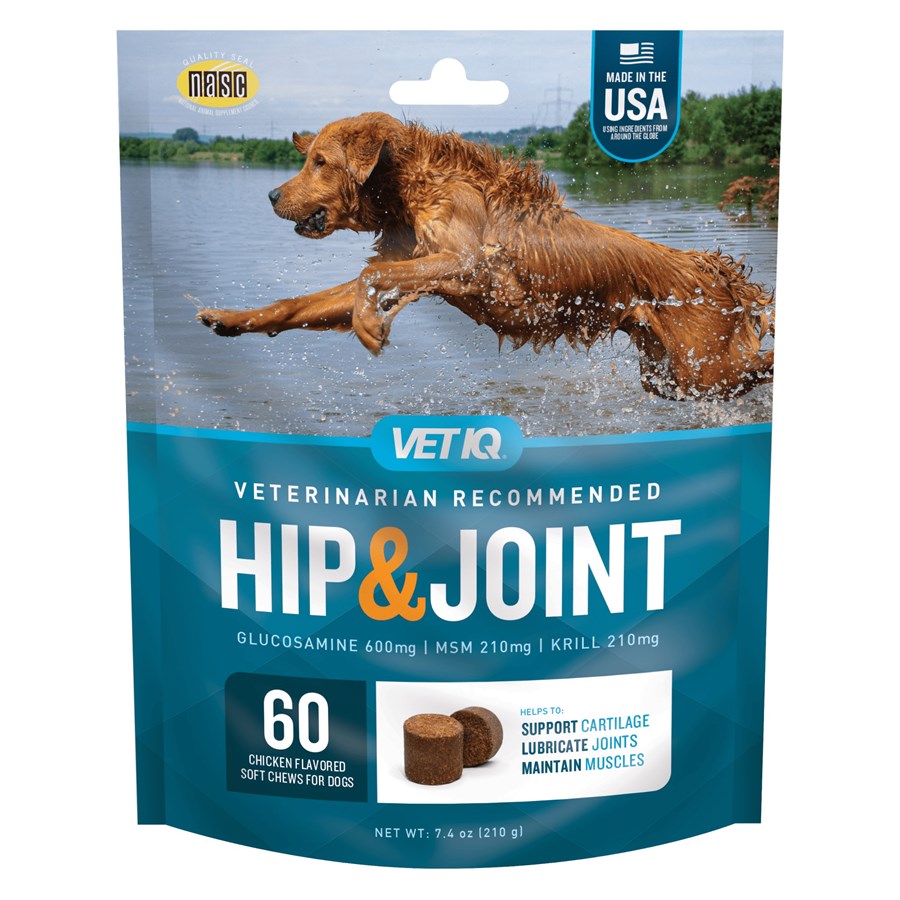
Credit: www.petcarerx.com
Practical Tips For Giving Your Dog Joint Supplements
- Start with a low dose and increase gradually to avoid stomach upset.
- Mix powders into wet food for picky eaters.
- Break up chews for small dogs to ensure correct dosing.
- Store supplements in a cool, dry place to protect their potency.
- Set a daily reminder so you don’t forget a dose.
Consistency is key—missing doses reduces the benefit.
How Diet And Lifestyle Affect Joint Health
Supplements are helpful, but they’re not magic. Diet and lifestyle play a big role in your dog’s joint health.
- Feed a balanced, high-quality diet with the right nutrients for age and size.
- Keep your dog at a healthy weight—even a few extra pounds can strain joints.
- Give regular, moderate exercise—short walks, swimming, or gentle play.
- Avoid high-impact activities like jumping from heights or running on hard surfaces, especially for at-risk breeds.
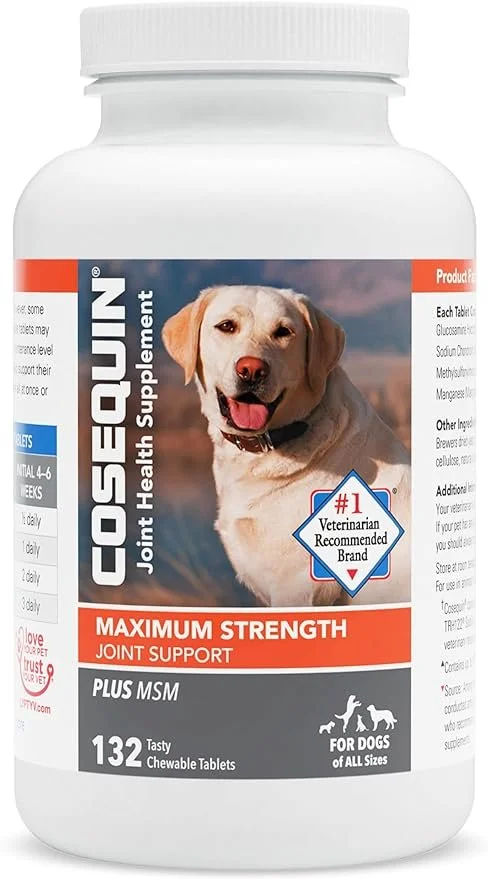
Credit: www.simonvetsurgical.com
Should Puppies Ever Get Joint Supplements?
For most puppies, joint supplements are not needed. Their bodies are still developing, and too much of certain nutrients can disrupt growth. But for giant breed puppies (like Great Danes or Mastiffs), or puppies with a family history of joint disease, your vet might suggest a special supplement. This is not common, and should only be done under veterinary guidance.
Monitoring Your Dog’s Progress
After starting a joint supplement, keep a simple journal. Note any changes in:
- Willingness to walk or play
- Ability to climb stairs or jump
- Comfort when getting up or lying down
- General mood and energy
If you see improvement, keep going. If not, talk to your vet about trying a different supplement or adjusting the dose.
The Role Of Genetics And Early Screening
Some joint problems are genetic. Breeders of large dogs often screen for hip dysplasia or elbow dysplasia before selling puppies. If your dog’s parents had joint problems, early supplements and careful exercise are smart choices. Ask your breeder for health records if you’re getting a new puppy.
Environmental Factors That Affect Joint Health
Where your dog lives and plays can affect their joints.
- Slippery floors can increase the risk of joint injuries.
- Cold, damp weather may make joint pain worse in older dogs.
- Hard surfaces (like concrete) are tough on joints during play.
Simple changes—like adding rugs for traction or using ramps—can protect your dog’s joints.
How Joint Supplements Fit Into A Lifetime Joint Care Plan
Joint supplements are just one part of keeping your dog’s joints healthy for life. Here’s a sample timeline:
- Puppy: Focus on nutrition and safe exercise. No supplements unless at risk.
- Young adult: Consider supplements for large/active breeds or if there’s a family history.
- Middle age: Start supplements for most large breeds, active dogs, or if you notice early signs.
- Senior: Use supplements for all dogs, plus regular vet checkups and gentle exercise.
This approach gives your dog the best chance for a long, active, pain-free life.
Frequently Asked Questions
When Should I Start Giving My Dog Joint Supplements?
The best time depends on your dog’s breed, age, and risk factors. Most large breeds and active dogs benefit from starting as young adults (around 1-2 years old). Senior dogs should start supplements even if they don’t have symptoms. Always talk to your vet for advice based on your dog’s unique situation.
Can I Give My Dog Human Joint Supplements?
No, you should not give human supplements to your dog without checking with your vet. Human products may contain unsafe ingredients or incorrect doses for dogs. Always choose supplements made specifically for dogs.
How Long Does It Take For Joint Supplements To Work?
Most dogs show improvement in 4 to 8 weeks. Some may take longer, and a few may not respond at all. Keep track of your dog’s behavior and talk to your vet if you don’t see results after two months.
Are There Any Risks Or Side Effects To Joint Supplements?
Most joint supplements are safe when used correctly. Possible side effects include upset stomach, diarrhea, or allergic reactions. Dogs with diabetes or bleeding disorders need special care. Always start with your vet’s recommendation.
Do All Older Dogs Need Joint Supplements?
Not all, but most older dogs benefit from joint supplements. They help support aging joints and can slow the progress of arthritis. Combine supplements with a healthy diet, weight control, and regular exercise for the best results.
A thoughtful approach to joint health can make a world of difference for your dog. By understanding when to start joint supplements—and how to use them wisely—you’ll give your best friend the gift of comfort, movement, and years of happy play. Always work with your veterinarian to build a plan that fits your dog’s needs, and remember: early action is often the best medicine.
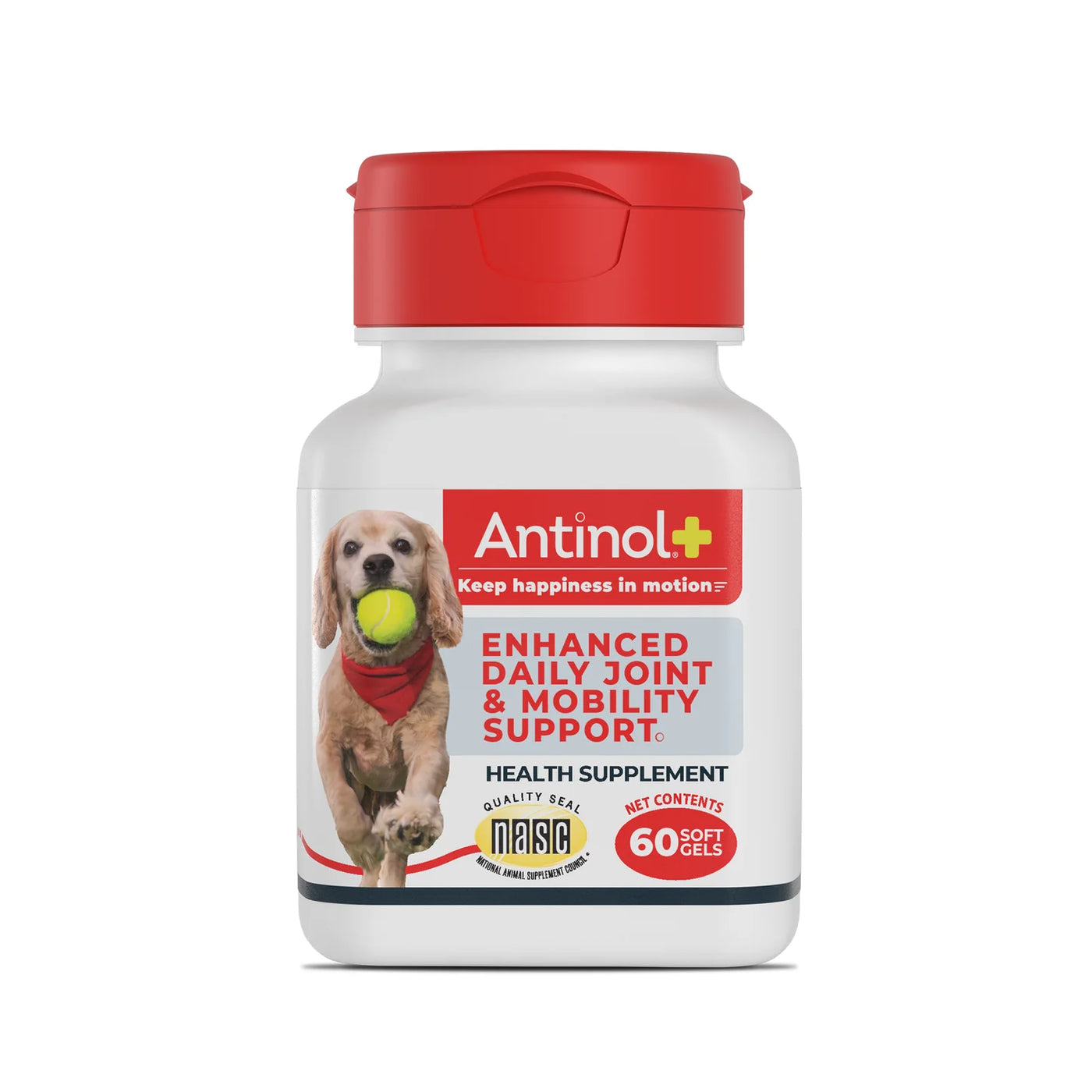
Credit: antinolplus.com