A limping dog is a common sight for pet owners, but it can also be worrying. Dogs do not limp without a reason. Sometimes the cause is easy to see, like a cut or a thorn in the paw. Other times, the reason is hidden and more serious. Seeing your dog limp can bring up many questions: Is it an emergency? Should you rush to the vet? Can you help your dog at home, or is professional care needed? Understanding why your dog is limping, what to look for, and how to respond is key to giving your pet the best care possible.
This guide explains the many causes of limping in dogs, from simple injuries to more complex health conditions. You will learn how to check your dog, when to worry, and what steps to take next. Whether your dog is young or old, active or calm, limping can affect any breed or age.
By the end, you will be able to make better decisions for your dog’s health and comfort.
What Is Limping In Dogs?
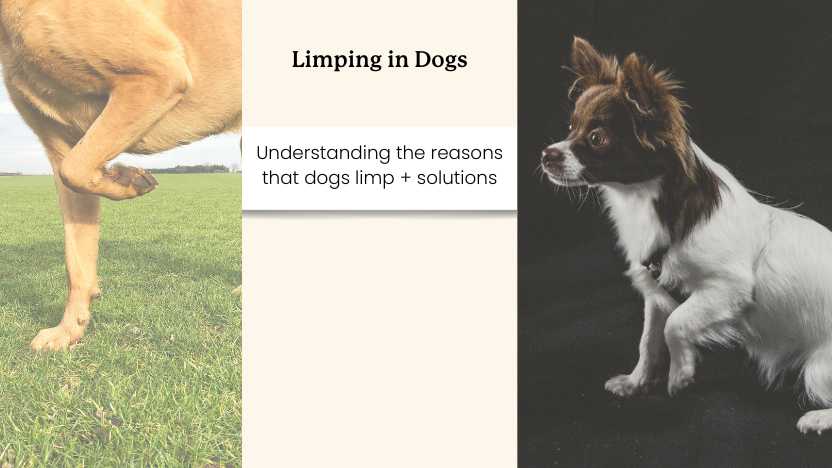
Limping, also called lameness, means a dog is not using one or more legs normally. Limping can be mild, like a slight change in walking, or severe, where the dog avoids using the leg completely. Some dogs limp suddenly after an injury, while others develop a limp slowly over time.
Limping is not a disease. It is a sign that something is wrong with the leg, paw, or another part of the body. Dogs may limp because of pain, weakness, or an injury. The limp can affect the front legs, back legs, or both.
Common Causes Of Limping In Dogs
Dogs limp for many reasons. Understanding these causes helps you know what to check and how to act.
1. Paw Injuries
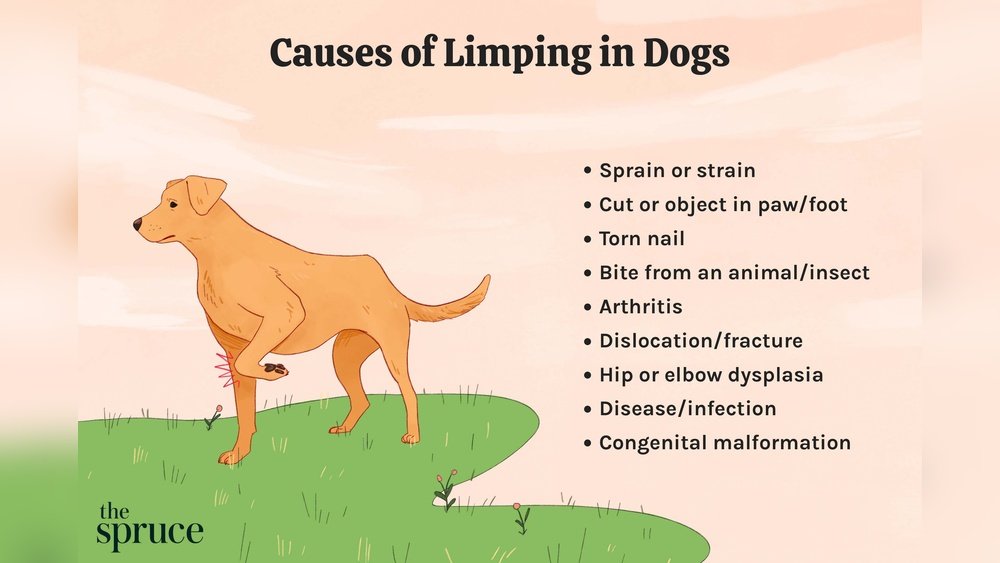
A dog’s paws are sensitive and can easily get hurt. Some common paw problems are:
- Cuts or scrapes from sharp objects
- Burns from walking on hot pavement
- Frostbite in winter
- Splinters or thorns stuck in the paw
- Broken nails or torn claws
Dogs with paw injuries may lick the paw often, hold it up, or avoid putting weight on it. These injuries often cause sudden limping and are easy to see on close inspection.
2. Muscle Strains And Sprains
Dogs love to run and play, but sometimes they overdo it. Strains (injury to muscles or tendons) and sprains (injury to ligaments) are very common, especially in active or young dogs. Jumping off furniture, playing fetch too hard, or slipping can all cause strains or sprains. Limping from muscle injuries can appear suddenly or develop after heavy activity.
3. Joint Injuries
Joint problems are a leading cause of limping. These include:
- Dislocations (joint moves out of place)
- Torn ligaments, such as a cranial cruciate ligament (CCL) tear in the knee
- Luxating patella (kneecap slips out of place), common in small breeds
Joint injuries often lead to sudden, severe limping. The dog may not put any weight on the leg, and the joint may look swollen or deformed.
4. Bone Injuries
Bones can break, crack, or develop problems that cause pain. Some examples:
- Fractures (broken bones), from falls, accidents, or rough play
- Bone bruises (contusions)
- Growth plate injuries in puppies
Bone injuries are serious and usually cause obvious limping and pain. Sometimes, you may notice swelling or the leg hanging at a strange angle.
5. Arthritis And Joint Disease
Older dogs, large breeds, and some overweight dogs often develop arthritis or joint disease. This is when the joints become swollen and painful. The limping is usually worse after rest and improves as the dog warms up. Common joint diseases include:
- Osteoarthritis (degenerative joint disease)
- Hip dysplasia
- Elbow dysplasia
These problems develop slowly and are more common in senior dogs, but even young dogs can be affected.
6. Infections
Infections can cause limping if they affect the bones, joints, or soft tissues. Dogs may get infections from:
- Bites or wounds
- Bacterial infections in the bones (osteomyelitis)
- Joint infections (septic arthritis)
- Tick-borne diseases (such as Lyme disease)
A dog with an infection may have swelling, redness, heat, or pus near the area. Sometimes, they also have a fever or act tired.
7. Foreign Objects
Dogs love to sniff and explore, sometimes picking up things they shouldn’t. Foreign objects can get stuck in the paw or between the toes, like:
- Glass shards
- Thorns
- Plant burrs
- Small stones
This usually causes sudden limping, licking, or biting at the paw. Removing the object can solve the problem, but sometimes it causes infection if not treated quickly.
8. Tumors And Growths
Not all lumps are cancer, but tumors and growths near bones, joints, or in the soft tissue can cause pain and limping. These can be:
- Benign growths (not cancer)
- Malignant tumors (cancer), like osteosarcoma
Tumors may cause swelling, pain, or a visible lump. If you notice a new lump and your dog starts limping, it’s best to check with a vet.
9. Neurological Problems
Sometimes, the problem is not with the leg itself but with the nerves. Issues in the spine, nerves, or brain can affect how a dog walks. Examples include:
- Intervertebral disc disease (IVDD)
- Nerve injuries
- Degenerative myelopathy
These conditions may cause weakness, stumbling, dragging of the paw, or changes in how the dog stands. Sometimes, the dog does not seem to be in pain but still limps.
10. Congenital And Genetic Conditions
Some dogs are born with or develop hereditary conditions that affect their legs or joints. These include:
- Legg-Calvé-Perthes disease (hip joint disorder in small breeds)
- Panosteitis (bone inflammation in young, large breed dogs)
- Angular limb deformities
Genetic problems often appear in puppies or young dogs. They may limp off and on, and the limp may switch legs.
11. Nail And Toe Problems
Even a small problem with a nail or toe can cause limping. Some common issues:
- Ingrown nails
- Nail infections (paronychia)
- Broken or split nails
- Dislocated toes
Dogs may chew or lick the paw, and the nail may look red, swollen, or misshapen.
12. Overgrown Hair Or Mats
Dogs with long hair can develop mats or tangles between their toes. Mats pull on the skin and make it painful to walk. Sometimes, they hide thorns or debris as well.
Regular grooming helps prevent this, but if mats form, they can cause limping until removed.
13. Allergies And Dermatitis
Dogs with allergies may develop itchy, sore paws. This causes them to lick and chew their feet, which can lead to sores or infections. Allergies can be caused by food, grass, pollen, or chemicals.
Signs include red, swollen paws, and licking or chewing at the feet.
14. Aging And Wear
Older dogs may limp simply because of wear and tear on their joints, muscles, and bones. Stiffness in the morning, after naps, or in cold weather is common. Some dogs also lose muscle mass as they age, making them weaker.

Credit: southernazvets.com
How To Check Your Limping Dog
When you see your dog limp, a careful check can help you find the cause. Follow these steps:
Watch Your Dog Walk
First, observe your dog. Is the limp sudden or slow to develop? Does it get better with rest or exercise? Is it worse in the morning or after play? Watch which leg your dog favors and how they move.
Examine The Paws And Legs
Check each paw closely. Look for:
- Cuts, swelling, or redness
- Foreign objects between the toes
- Broken or bleeding nails
- Signs of pain when you touch certain spots
Move up each leg, gently pressing and bending the joints. Watch for flinching or pulling away.
Check For Swelling Or Heat
Feel for swelling, lumps, or areas that are warmer than usual. Swelling often means injury or infection.
Test Range Of Motion
Gently move the joints to see if your dog resists or shows pain. Never force movement if your dog reacts strongly.
Look For Other Signs
Other clues can help you. Is your dog eating normally? Are they acting tired or restless? Fever, shaking, or whining can mean infection or severe pain.
When Is Limping An Emergency?
Not all limping needs urgent care, but some signs mean you should see a vet right away:
- Severe pain: Crying, yelping, or biting if you touch the area
- Inability to use the leg at all
- Obvious fractures: Bent or dangling leg, bone sticking out
- Heavy bleeding that will not stop
- Severe swelling or a leg that feels much warmer than the other
- Sudden limping in puppies: This can signal serious growth problems
- Signs of shock: Pale gums, rapid breathing, weakness
If you see these signs, contact your vet or emergency clinic as soon as possible.
Credit: lolahemp.com
What To Do If Your Dog Is Limping
If the limp is mild, you can try some first aid at home before seeing the vet. Here’s what to do:
- Keep your dog calm and restrict activity. No running, jumping, or rough play.
- Check for foreign objects and remove gently with clean tweezers if found.
- Clean minor wounds with mild soap and water. Apply light pressure if bleeding.
- Apply a cold compress (wrapped in a towel) to swelling for 10-15 minutes.
- Do NOT give human painkillers like ibuprofen or acetaminophen—they can be toxic to dogs.
- Monitor for 24-48 hours. If limping gets worse, does not improve, or if you see serious signs, see a vet.
For mild limping after exercise or play, rest may help. If you’re unsure or the limp lasts more than a day or two, always check with your vet.
How Vets Diagnose The Cause
If you take your dog to the vet, they will do a careful exam and may use special tests:
- Physical exam: Feeling and moving the legs, checking for pain, swelling, or injury.
- X-rays: To find fractures, bone disease, or joint problems.
- Blood tests: To check for infections, tick-borne diseases, or inflammation.
- Joint fluid analysis: To find infection or arthritis.
- Advanced imaging: MRI or CT scans, sometimes needed for nerve or spine problems.
Vets may also check how your dog walks and stands, and ask about your dog’s activity, age, and any recent injuries.
Treatment Options For Limping Dogs
The treatment depends on the cause. Here are some common ways vets help dogs with limping:
Rest And Restricted Activity
For most mild injuries, the main treatment is rest. Dogs may need to stay quiet for days or weeks, with no running, jumping, or rough play. This gives muscles, tendons, and minor injuries time to heal.
Medications
Vets may prescribe:
- Pain relievers (NSAIDs made for dogs)
- Antibiotics for infections
- Steroids for swelling or immune problems
- Joint supplements (glucosamine, chondroitin)
Never give human medicine to dogs without a vet’s advice.
Surgery
Some injuries need surgery, such as:
- Broken bones
- Torn ligaments
- Joint dislocations
- Tumors
Surgery is more common for severe injuries or if simple treatments do not work.
Physical Therapy
Canine physical therapy can help dogs regain strength and movement after injuries or surgery. Techniques may include:
- Gentle exercises
- Hydrotherapy (walking in water)
- Massage
- Laser therapy
This is especially helpful for dogs with arthritis or after orthopedic surgery.
Weight Management
Extra weight puts more stress on joints and bones. If your dog is overweight, your vet may suggest a weight loss plan to help reduce limping and pain.
Special Diets And Supplements
Some joint diseases benefit from special diets rich in omega-3 fatty acids, or supplements like glucosamine and chondroitin. Ask your vet if these are right for your dog.
Supportive Devices
For some dogs, braces or supportive wraps can help stabilize weak or injured joints. In rare cases, a dog may need a wheelchair for severe mobility problems.
Differences In Limping: Front Leg Vs. Back Leg
Limping can affect the front legs or back legs. Knowing which leg is affected can help your vet find the cause faster. Here’s a comparison of common causes:
| Front Leg Limping | Back Leg Limping |
|---|---|
| Shoulder injuries | Knee injuries (like CCL tears) |
| Elbow dysplasia | Hip dysplasia |
| Wrist (carpal) injuries | Patella luxation |
| Panosteitis (growing pains in puppies) | Arthritis in hips or knees |
| Nerve injuries in neck | Nerve injuries in lower back |
Sometimes, limping can affect more than one leg or switch legs. This is more common with genetic diseases or some infections.
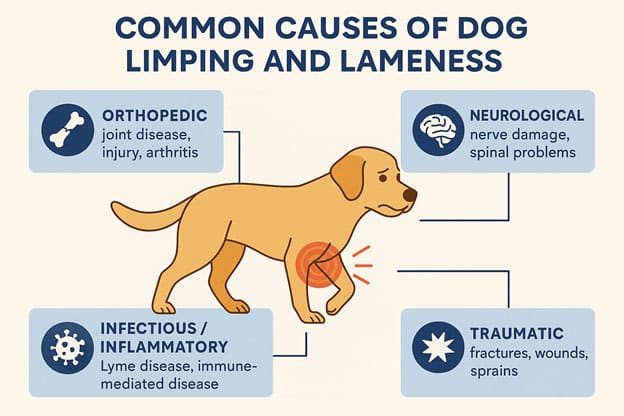
Credit: blissanimalhospital.com
Chronic Vs. Sudden Limping
Dogs can limp in different ways. Understanding the difference helps with diagnosis and treatment.
| Sudden Limping (Acute) | Chronic Limping (Long-term) |
|---|---|
| Starts quickly, often after injury | Develops slowly over weeks or months |
| Paw injuries, sprains, fractures, dislocations | Arthritis, hip dysplasia, bone tumors |
| May be severe or mild | Often worse after rest, improves with activity |
| Usually needs quick attention | Needs long-term management |
If your dog suddenly starts limping, especially after trauma, see a vet. Chronic limping is often linked to age or genetic issues and may need ongoing care.
Non-obvious Insights Owners Often Miss
Many owners focus only on the leg that is limping, but sometimes the real problem is elsewhere. For example, a back problem can cause limping in a front or back leg. Also, pain from one leg can make a dog put more weight on the other, leading to limping in both legs over time.
Another common mistake is ignoring weight and fitness. Overweight dogs are much more likely to develop joint problems and arthritis. Keeping your dog at a healthy weight is one of the best ways to prevent long-term limping.
Breeds Prone To Limping And Joint Problems
Certain breeds are more likely to have leg and joint problems. Here are some examples:
- Labrador Retrievers: Prone to hip and elbow dysplasia
- German Shepherds: Hip dysplasia, degenerative myelopathy
- Dachshunds: Intervertebral disc disease (back problems)
- Toy breeds (Yorkies, Chihuahuas): Patella luxation
- Great Danes and other large breeds: Bone tumors, panosteitis
Knowing your dog’s breed risks can help with early screening and prevention.
Preventing Limping In Dogs
While not all limping can be prevented, you can lower the risk:
- Keep your dog at a healthy weight. Extra pounds put stress on joints.
- Exercise regularly but safely. Avoid too much jumping or rough play, especially in puppies.
- Trim nails and check paws often for injuries or foreign objects.
- Use ramps or stairs for dogs prone to joint problems.
- Feed a balanced diet with joint support if recommended by your vet.
- Groom long-haired dogs to prevent mats and tangles.
- See your vet for annual checkups and discuss joint health.
Myths And Mistakes About Limping Dogs
Many people believe dogs will “walk it off” or that limping is just part of getting older. In reality, pain is never normal for a dog. Dogs hide pain well, so limping means the problem is serious enough to change their behavior.
Another mistake is using over-the-counter human painkillers. Medicines like ibuprofen or acetaminophen are dangerous for dogs and can cause liver or kidney failure. Always check with your vet before giving any medication.
How Long Can You Wait Before Seeing A Vet?
If your dog is limping but seems comfortable and there’s no emergency, you can wait 24-48 hours while watching closely. If things get worse, or you see swelling, severe pain, or changes in appetite or energy, call your vet sooner.
Never wait with puppies, as limping can signal serious growth problems. For senior dogs with arthritis, talk to your vet about long-term management options.
Real-world Examples
Here are some real cases to help you understand how limping can look in daily life:
- Bella, a 7-year-old Labrador, started limping after her daily walk. Her owner found a cracked nail. After a vet visit and a bandage, she healed in a week.
- Max, a 10-month-old German Shepherd, began limping off and on. The vet diagnosed panosteitis (“growing pains”), common in large breeds. With rest and anti-inflammatory medicine, Max improved in a few weeks.
- Luna, a 5-year-old Dachshund, suddenly screamed and dragged her back leg. The vet found a slipped disc in her back. Luna needed surgery and physical therapy to walk again.
These stories show the range of causes and treatments. Each case is different, and quick action leads to better outcomes.
Costs Of Treatment: What To Expect
Veterinary care for limping can vary widely in cost. Here’s a general idea of what you might expect:
| Treatment Type | Estimated Cost (USD) |
|---|---|
| Basic exam & x-rays | $100 – $400 |
| Minor wound care | $50 – $200 |
| Medications | $30 – $150 per month |
| Surgery (fracture repair, torn ligament) | $1,000 – $4,000+ |
| Physical therapy | $50 – $100 per session |
Pet insurance may cover some costs, especially for surgery or chronic conditions. Always check with your provider.
When To Seek A Specialist
If your dog’s limp does not improve, or if the cause is complex, your vet may recommend a veterinary orthopedic specialist. These vets handle advanced cases like joint replacements, bone cancer, or complex fractures.
Resources For More Information
For more details on joint health and common dog injuries, you can visit Cornell University College of Veterinary Medicine. Their site has guides on joint disease, treatment options, and prevention.
Frequently Asked Questions
Why Is My Dog Limping But Not Crying?
Dogs often do not cry or whine when in pain. Limping without vocalizing can still mean your dog is hurt or uncomfortable. Some dogs are very stoic, and only show pain by changing how they walk or move.
Can I Walk My Dog If He Is Limping?
It is best to limit walks and let your dog rest until you know the cause. Walking can make injuries worse. Short bathroom breaks are usually fine, but avoid long walks or strenuous play until your vet gives the okay.
How Long Should I Wait Before Seeing A Vet For A Limp?
If the limp is mild and there are no emergency signs (severe pain, swelling, bleeding), you can monitor for 24-48 hours. If the limp gets worse, does not improve, or your dog shows other symptoms, see your vet sooner.
Is Limping Always Caused By Injury?
No, limping can be caused by many things, including infections, arthritis, nerve problems, or even growth issues in puppies. Not all limping is due to a visible injury.
What Should I Do If My Dog’s Leg Is Swollen?
Swelling is a sign of inflammation, injury, or infection. Do not wait—contact your vet for advice. Swelling can quickly get worse and may need urgent care.
Dogs are experts at hiding pain, so any limp means it’s time to pay attention. By acting early and working with your vet, you can help your dog stay healthy, active, and comfortable—no matter what life brings.